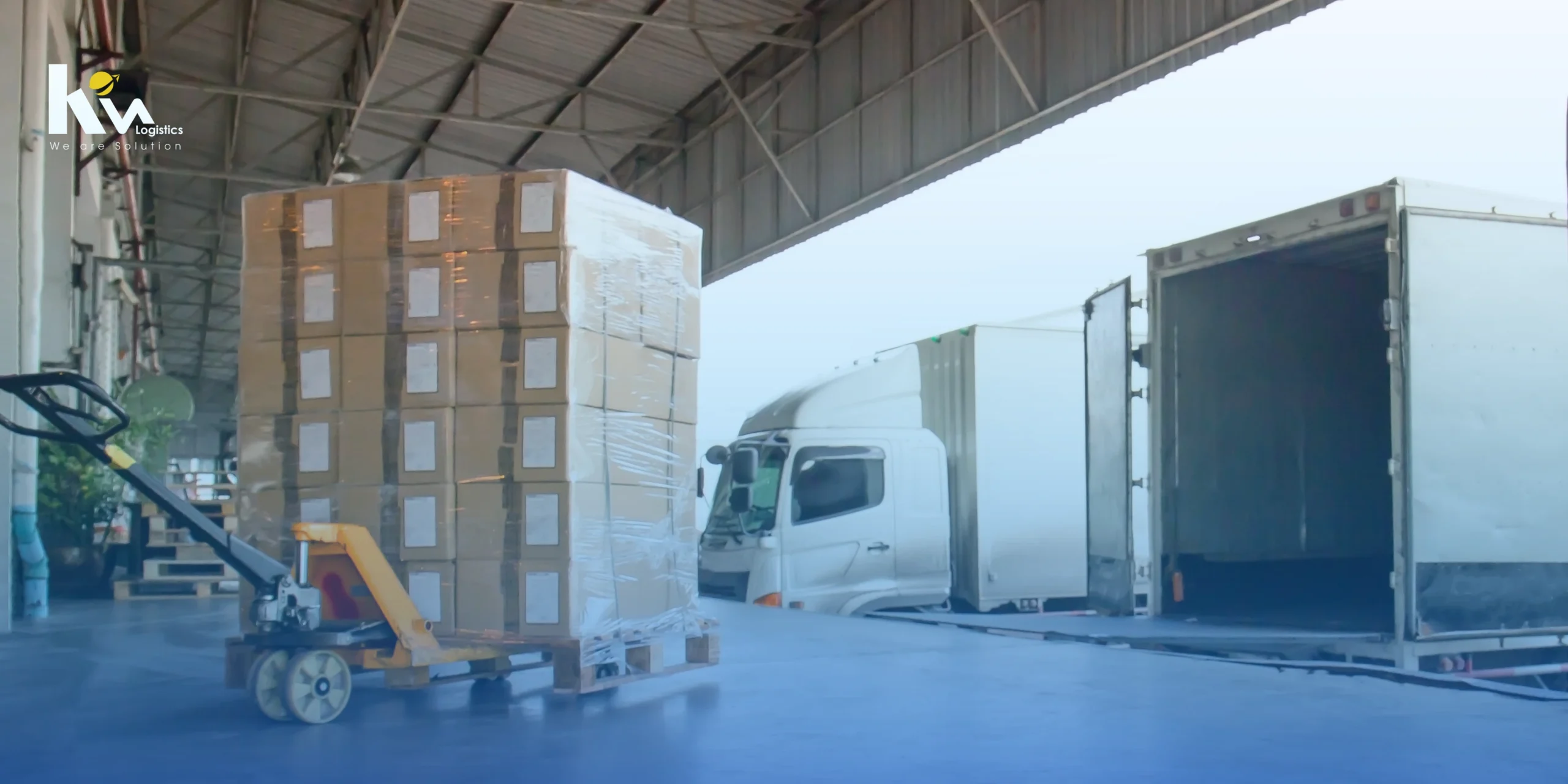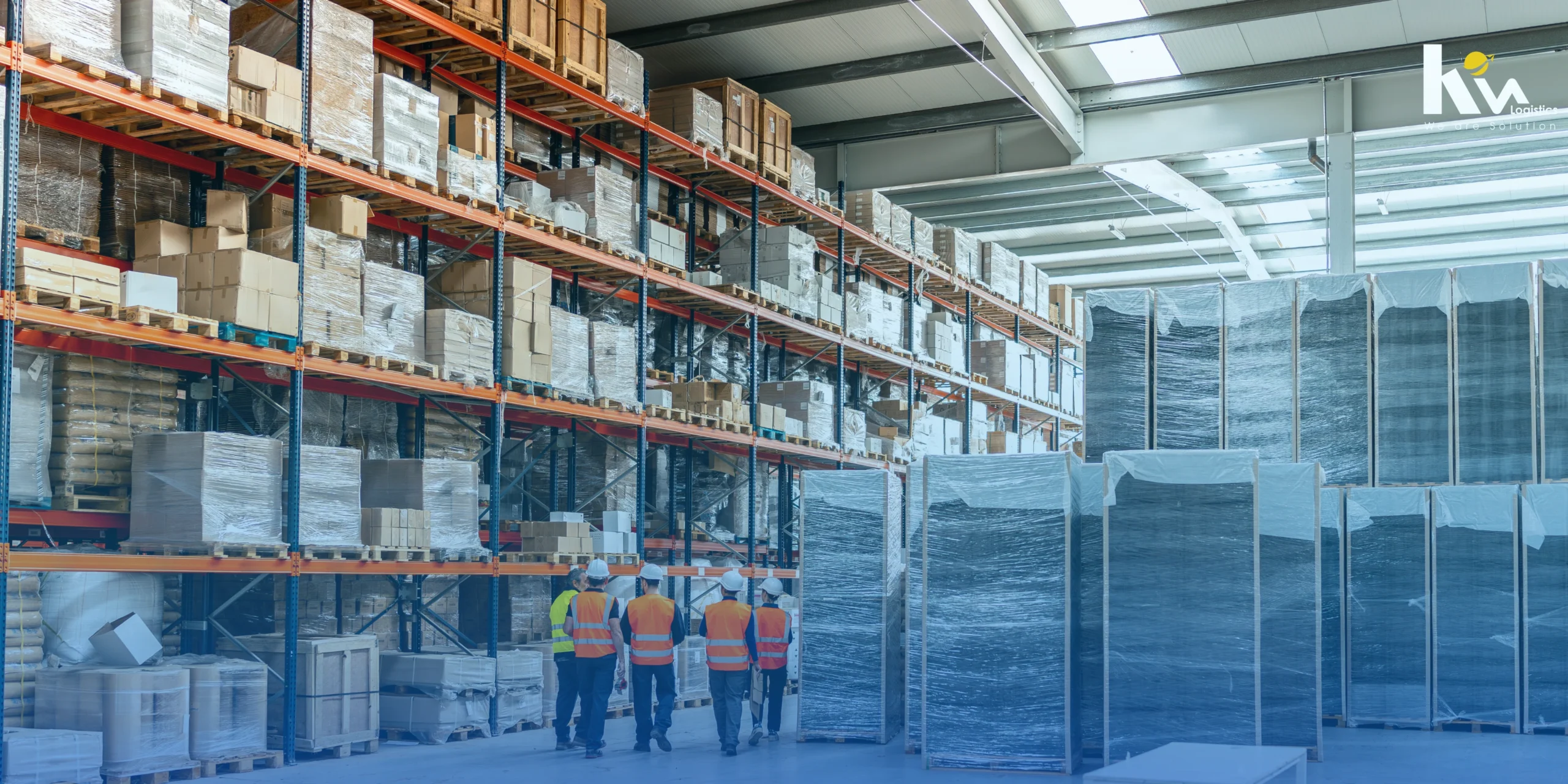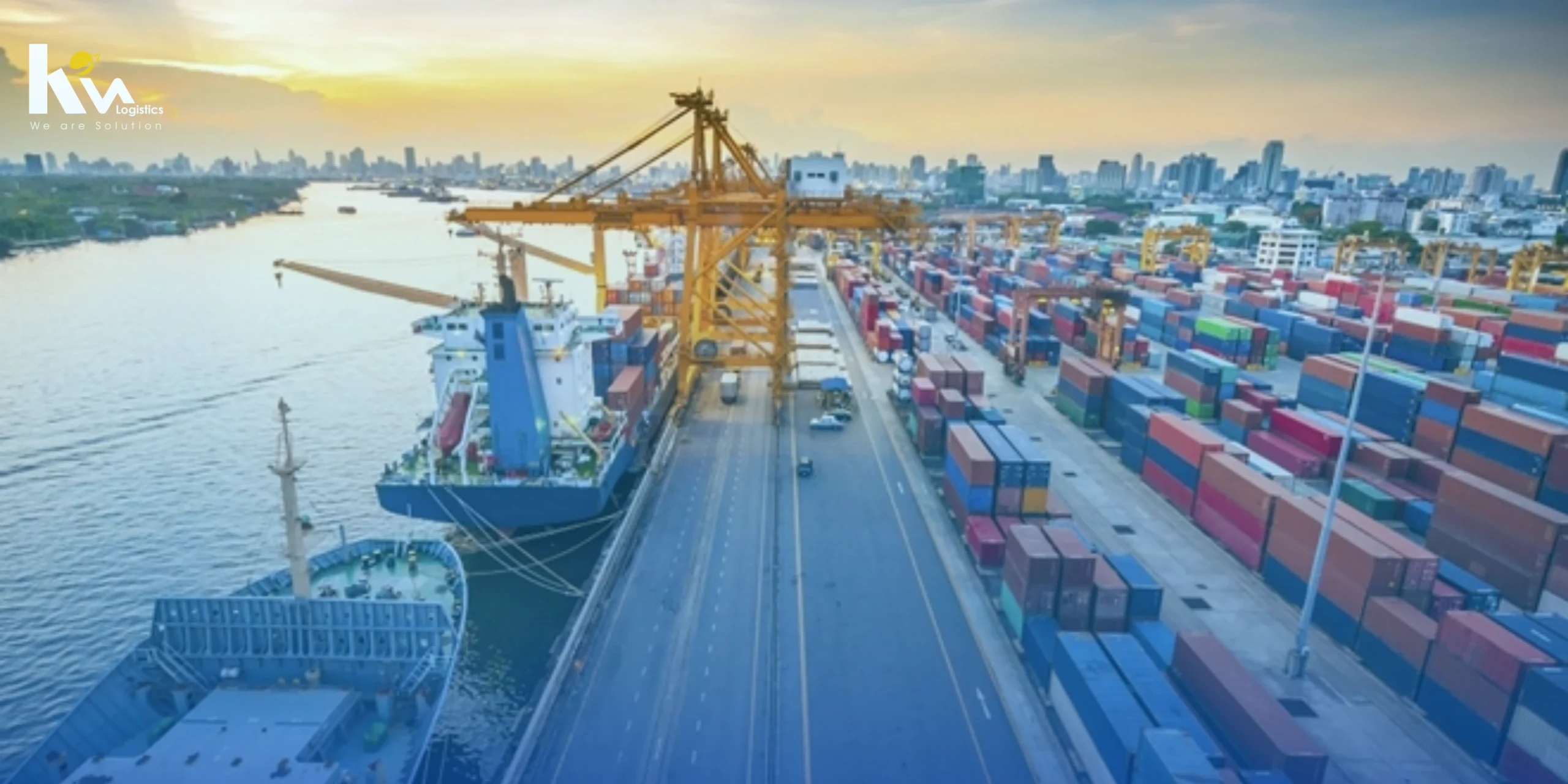


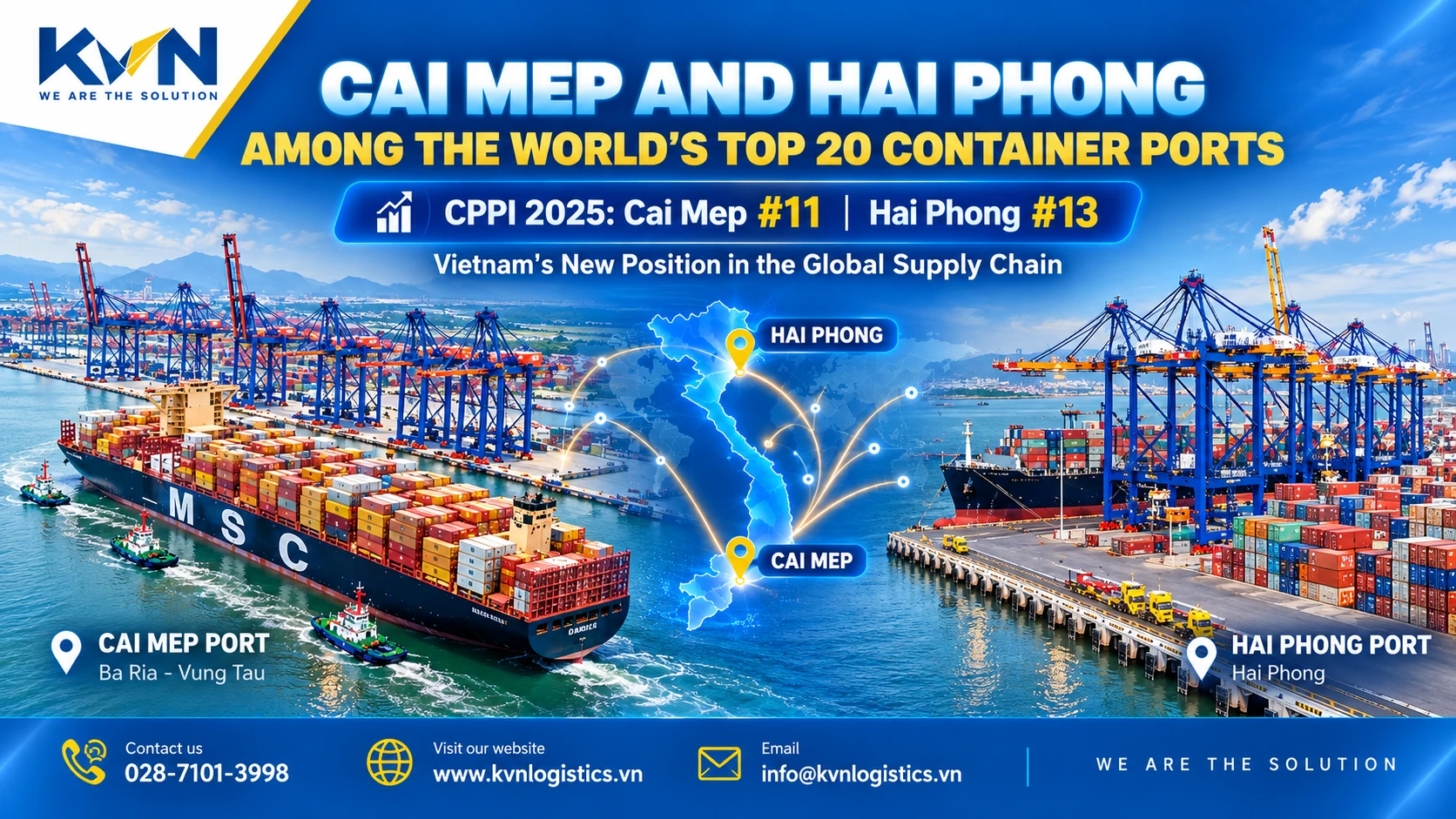
Vietnam has secured two positions among the world’s 20 best-performing container ports in the Container Port Performance Index (CPPI) 2025. Cai Mep ranks 11th globally, while Hai Phong takes 13th place, with both recording 122 points. Beyond the international rankings, these results highlight Vietnam’s growing maritime capabilities and the importance of efficient port-to-factory connectivity in global supply chains.
Updated: October 8, 2026 | KVN Logistics – Industry Insights
As Vietnam strengthens its position as a regional manufacturing and export hub, the efficiency of its transportation infrastructure is becoming increasingly important.
Factories, industrial parks, inland trucking networks, customs procedures and international shipping services must work together to keep goods moving reliably.
The inclusion of Cai Mep and Hai Phong among the world’s top-performing container ports represents a significant achievement for Vietnam’s maritime sector. However, for manufacturers, exporters and importers, the real value of port efficiency extends beyond international rankings.
The key question is how these improvements translate into more predictable shipping schedules, stronger inland connectivity and better supply chain performance.
1. Vietnam’s Cai Mep and Hai Phong Enter the Global Top 20 Container Port Rankings
According to the Container Port Performance Index (CPPI) 2025, developed by the World Bank and S&P Global Market Intelligence, two major Vietnamese port gateways have secured positions among the world’s top 20 container ports for operational performance.
| Vietnamese Container Port | Global Ranking | CPPI 2025 Score |
|---|---|---|
| Cai Mep Port Cluster | 11th | 122 |
| Hai Phong Port | 13th | 122 |
The CPPI provides a comparative assessment of container port performance, focusing primarily on the time container vessels spend in port.
Unlike rankings based on annual container throughput or total cargo volume, the CPPI emphasizes operational efficiency.
The index considers vessel time in port while accounting for characteristics of different port calls and container handling activities.
This distinction is important.
A port handling millions of twenty-foot equivalent units (TEUs) annually is not necessarily more efficient than a smaller facility with shorter vessel turnaround times.
For shipping lines and logistics operators, port efficiency affects vessel scheduling, operational planning and the reliability of transportation networks.
Although Cai Mep and Hai Phong both recorded 122 points, they occupy different positions in the published CPPI 2025 rankings.
Their inclusion among the global top 20 demonstrates the increasingly competitive operational capabilities of Vietnam’s major maritime gateways.
Source: World Bank and S&P Global Market Intelligence, Container Port Performance Index 2025.
2. Cai Mep Port: Southern Vietnam’s Strategic Gateway to Global Shipping Networks
The Cai Mep port cluster plays an important role in Vietnam’s deep-water port infrastructure and international container shipping network.
Located in southern Vietnam, the Cai Mep–Thi Vai port area benefits from deep-water facilities capable of accommodating large container vessels and connecting regional manufacturing centers with international markets.
Its strategic location supports cargo flows from major industrial and commercial centers, including Ho Chi Minh City, Dong Nai and surrounding manufacturing areas.
Direct Ocean Connectivity Supports Export Competitiveness
Cai Mep serves as a major gateway for international container services, including long-haul routes connecting Vietnam with important overseas markets.
For exporters and importers, access to suitable direct shipping services can provide several advantages:
- Fewer transshipment requirements on routes with available direct services.
- Improved planning opportunities for international cargo movements.
- Better coordination between inland transportation and ocean freight schedules.
- Greater flexibility when selecting international shipping routes.
- Stronger connectivity between southern manufacturing centers and global customers.
However, actual transit times, freight costs and service reliability still depend on the selected shipping line, vessel rotation, cargo characteristics and destination port.
Cai Mep’s 11th-place ranking in CPPI 2025 reinforces its role as an important maritime gateway for Vietnam’s international trade.
3. Hai Phong Port: Northern Vietnam’s Gateway to International Trade
While Cai Mep supports southern Vietnam’s manufacturing and export network, Hai Phong serves as a strategic maritime gateway for the country’s northern industrial region.
Hai Phong connects major industrial parks, manufacturing facilities, logistics centers and inland container depots with international shipping routes.
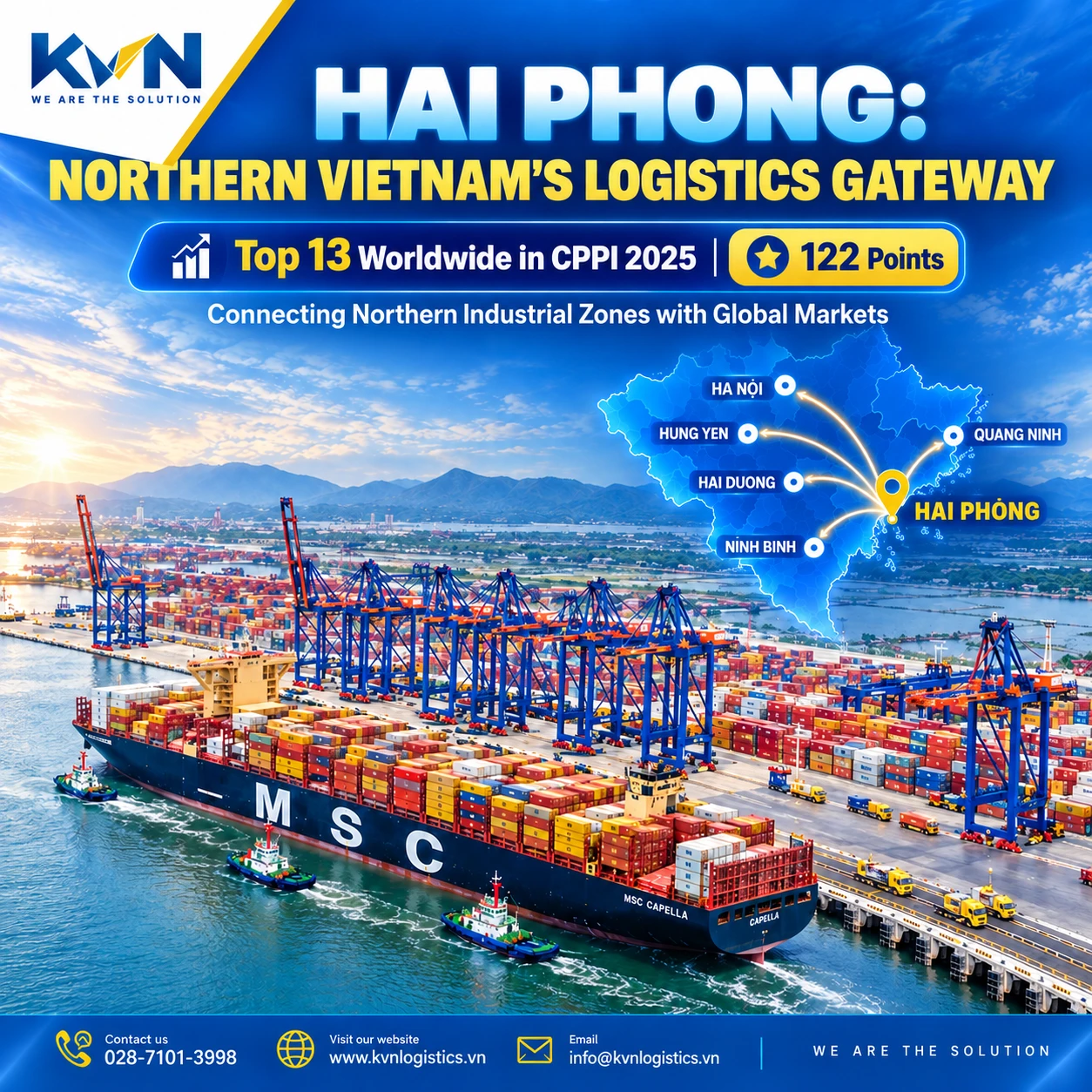
Its hinterland includes key production and distribution centers in Hanoi, Bac Ninh, Hung Yen, Quang Ninh, Thai Nguyen, Ninh Binh and other northern locations.
The continued development of the Lach Huyen deep-water port area, container terminals, logistics facilities and supporting transport infrastructure has contributed to the expansion of Hai Phong’s maritime capabilities.
Hai Phong Records Strong Port Performance Improvement
Hai Phong achieved 122 points in CPPI 2025, compared with a reported score of 70 points in 2020.
This represents an improvement of 52 index points over the period.
Although scores across different reporting years should be interpreted alongside the relevant methodology, the improvement provides a positive indication of the port’s evolving operational performance.
Hai Phong’s 13th-place global ranking further strengthens its position in international container shipping.
Why Hai Phong Matters to Northern Industrial Parks
For manufacturers operating in Northern Vietnam, the effectiveness of Hai Phong Port is closely connected to inland transportation.
Consider an export shipment originating from an industrial park in Bac Ninh or Hung Yen.
Before the container reaches the vessel, several activities must be coordinated:
- Confirming the cargo-ready date and vessel booking.
- Arranging empty-container pickup from the designated depot.
- Transporting the container to the factory for loading.
- Completing export documentation and customs procedures.
- Delivering the loaded container to the assigned terminal before the CY cut-off.
- Coordinating loading onto the scheduled vessel.
Even when a port operates efficiently, delays at the factory, depot or during the trucking stage can disrupt the entire shipping plan.
This is why effective container trucking from Hai Phong to Northern Vietnam’s industrial zones remains an essential part of the logistics network.
For exporters and importers, port efficiency and inland transportation performance should be evaluated together rather than separately.
4. September 2026 Update: World Bank Supports Improved Transport Connectivity in Hai Phong
Beyond the CPPI rankings, Vietnam continues to invest in infrastructure projects designed to strengthen trade connectivity.
On September 14, 2026, the World Bank announced the approval of three projects in Vietnam, supported by loans totaling US$666.74 million.
The projects focus on transport connectivity, trade corridors, urban resilience and sustainable fisheries development.
Among these initiatives, the Hai Phong City Resilience Development Project, approved on September 4, 2026, received financing of US$260.1 million.
A key component of the project involves constructing a new section of Hai Phong’s Ring Road 3.
According to the World Bank, this improvement is expected to reduce truck travel time between important locations in the city.
Why Does Better Port Connectivity Matter?
A modern container terminal requires efficient connections with industrial parks, warehouses, container depots and inland transport infrastructure.
Without reliable road access, cargo may still experience delays before reaching the port or after being released for collection.
Improved hinterland connectivity can potentially support:
- More predictable trucking schedules.
- Better coordination between factories and seaport terminals.
- Reduced exposure to road transport bottlenecks.
- More efficient utilization of trucks and containers.
- Improved planning for export and import deliveries.
These benefits are expected outcomes of infrastructure development and should not be interpreted as improvements that have already been fully realized in 2026.
The new investment reflects an important direction for Vietnam’s logistics sector: strengthening the connections between maritime gateways and inland economic activities.
5. What Do Better Container Port Rankings Mean for Importers and Exporters?
The strong performance of Cai Mep and Hai Phong creates positive conditions for Vietnam’s maritime logistics environment.
However, port efficiency should not be confused with guaranteed shorter transit times or lower shipping costs.
The actual impact on individual shipments depends on the entire transportation process.
5.1. Improved Shipping Schedule Predictability
Time spent in port is an important component of vessel scheduling.
When container terminals handle port calls efficiently, shipping lines may have greater opportunities to maintain planned vessel rotations.
For businesses, stronger schedule reliability supports production planning, inventory management and international delivery commitments.
Nevertheless, ocean freight transit times remain subject to multiple variables, including weather conditions, vessel rotations, transshipment arrangements, port congestion and schedule changes.
Businesses planning regional shipments can refer to KVN Logistics’ guide to Sea Freight from Vietnam to Asia for additional information about routes, transit times and shipping considerations.
5.2. More Effective Container Transportation Planning
For full container load (FCL) exports, businesses need to coordinate cargo preparation, container availability, trucking arrangements and terminal cut-off deadlines.
Importers face a different set of operational requirements, including vessel arrival, customs clearance, container availability, truck dispatch and empty-container return.
Efficient port operations can support transportation planning, but shipment success still depends on the coordination of these activities.
Missing a documentation deadline or arriving after the terminal’s CY cut-off may result in a shipment being delayed to another sailing.
KVN Logistics provides additional guidance in its article on the Sea Freight Booking Process: Cut-off, SI, VGM and CY/CFS.
5.3. Opportunities for Better Logistics Cost Control
Port-related delays and poor coordination can contribute to additional logistics expenses.
Businesses should pay particular attention to:
- Container demurrage and detention charges.
- Truck waiting time at factories and terminals.
- Storage expenses and terminal-related charges.
- Costs associated with missed cut-offs or booking changes.
- Inland transportation and empty-container return costs.
- Operational disruptions affecting cargo delivery.
Improved port performance can help create conditions for more efficient cargo handling.
However, a higher CPPI ranking does not automatically translate into lower ocean freight rates or total logistics costs.
The more effective approach is to evaluate costs and operational risks across the complete transportation chain.
6. Efficient Ports Are Only One Part of a Reliable Supply Chain
For international trade, container transportation does not begin at the seaport.
It begins when a business prepares cargo for collection, organizes documentation and coordinates the required transportation services.
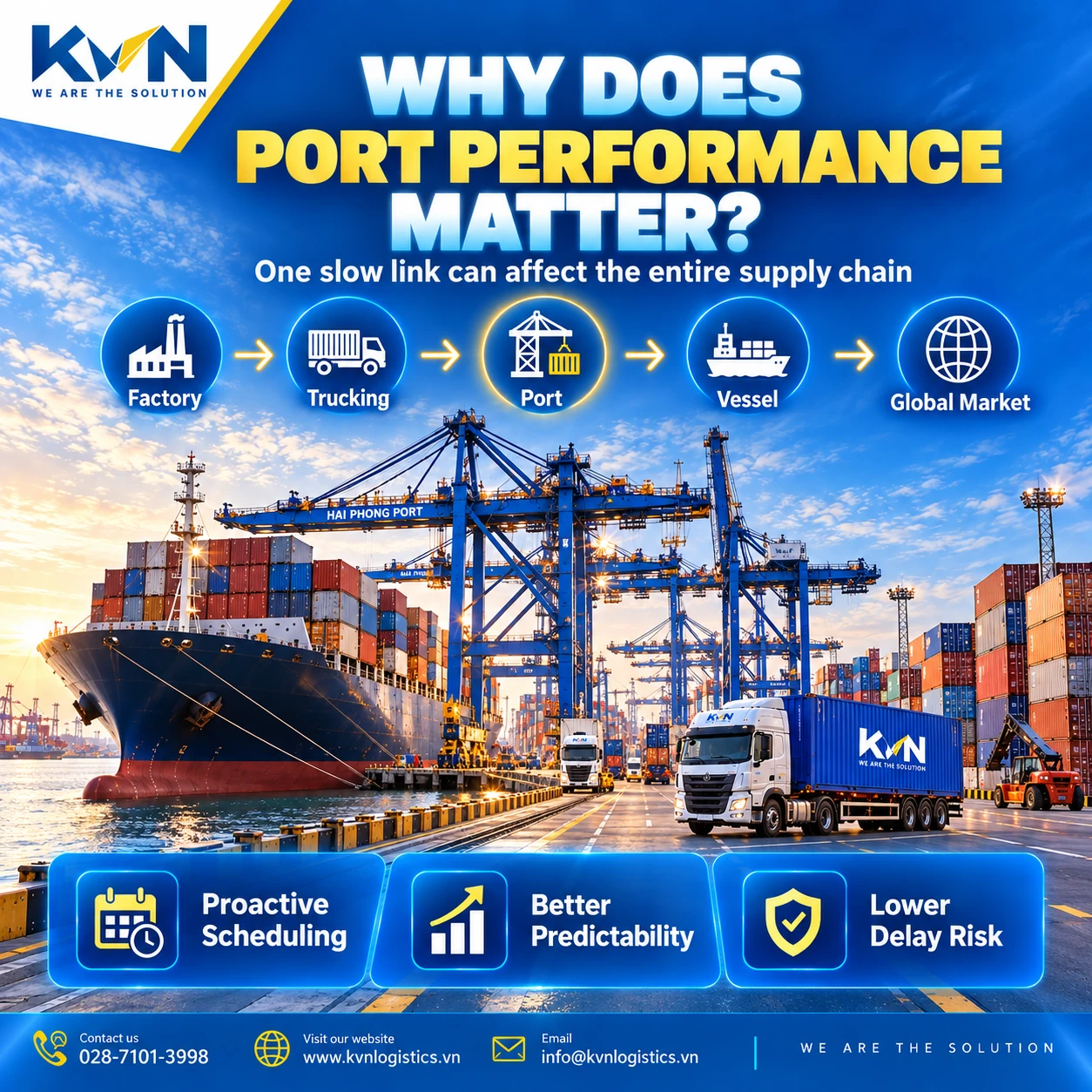
A typical international container logistics process may involve:
Factory → Inland Trucking → Customs & Documentation → Port Terminal → Sea Freight → Destination Port → Final Delivery
Each stage has its own operational requirements, cost structure and potential risks.
For example, an exporter may secure a suitable sea freight booking from Hai Phong to Singapore.
However, if the container arrives after the required CY cut-off, the shipment may miss the scheduled departure despite the port’s strong operational efficiency.
Similarly, imported goods may arrive at the destination port on time, yet delivery to the factory may still be delayed by incomplete documentation, customs procedures or trucking availability.
These examples demonstrate why businesses should assess the complete logistics process instead of focusing exclusively on vessel transit times or port rankings.
Reliable domestic container trucking in Vietnam is particularly important for connecting ports, warehouses and manufacturing facilities.
Ultimately, the value of an efficient seaport depends on how effectively it integrates with the wider supply chain.
7. Vietnam Logistics Outlook 2026: Connecting Port Performance with Supply Chain Reliability
The inclusion of Cai Mep and Hai Phong in the CPPI 2025 global top 20 reflects positive developments in Vietnam’s maritime infrastructure and operational capabilities.
Combined with ongoing investments in port development and hinterland connectivity, these achievements provide a favorable foundation for the country’s logistics industry.
However, sustainable competitiveness requires more than increasing port capacity.
Vietnam must continue addressing broader logistics challenges, including infrastructure connectivity, operational coordination, digital transformation, transportation costs and multimodal integration.
For manufacturers and international trading companies, three factors are particularly important.
Port Efficiency
Efficient vessel handling and terminal operations can support more reliable maritime transportation.
Inland Connectivity
Well-coordinated trucking and inland transportation networks connect factories, industrial parks, container depots and ports.
Supply Chain Reliability
Effective planning, customs documentation and operational coordination help businesses manage schedules and reduce disruption risks.
Together, these factors determine whether port infrastructure improvements can deliver practical benefits to international trade.
Port Efficiency + Inland Connectivity + Supply Chain Reliability = Stronger Logistics Competitiveness
For Vietnam, the next stage of logistics development will increasingly depend on connecting these capabilities across the entire supply chain.
8. KVN Logistics: Connecting Vietnam’s Ports with Integrated Logistics Solutions
As Vietnam’s port infrastructure continues to develop, businesses need logistics partners capable of coordinating transportation requirements across multiple stages.
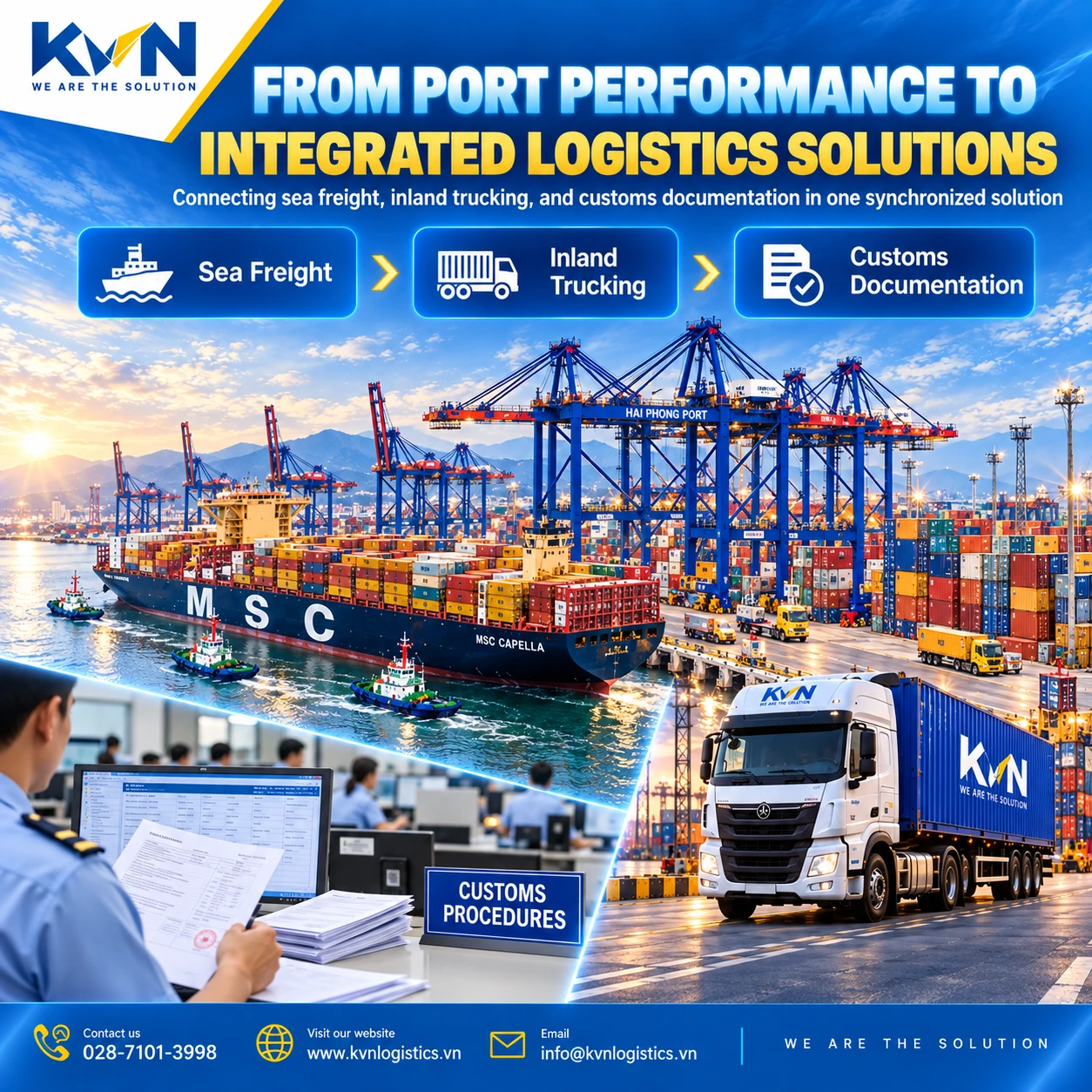
Positioned as a Next-Generation Logistics Solutions Partner, KVN Logistics focuses on designing suitable transportation solutions based on cargo characteristics, shipping routes, operational requirements and customer priorities.
KVN Logistics’ core service capabilities include:
Sea Freight
International ocean freight solutions covering full container load (FCL), less than container load (LCL) and shipment-specific transport requirements.
The objective is to help customers identify suitable ocean freight options based on routing, sailing schedules, cargo requirements and cost considerations.
Inland Trucking
Container and cargo transportation connecting ports, inland container depots, warehouses, factories and industrial parks across Vietnam.
Effective trucking coordination supports first-mile and last-mile logistics while helping businesses manage pickup and delivery schedules.
Customs & Documentation
Support for import-export customs procedures, shipping documents and the coordination of documentation requirements within the wider logistics process.
By connecting these core services, KVN Logistics aims to help businesses improve operational coordination and maintain greater control over their shipments.
Instead of evaluating each transportation stage in isolation, the company approaches logistics planning through a combination of cost management, schedule suitability, routing efficiency and shipment-specific requirements.
From Hai Phong and Northern Vietnam’s industrial parks to major maritime gateways in the South, KVN Logistics continues to develop solutions that connect Vietnamese businesses with domestic and international supply chains.
KVN LOGISTICS – WE ARE THE SOLUTION
9. Frequently Asked Questions About Vietnam’s Container Ports
What is the ranking of Cai Mep Port in CPPI 2025?
Cai Mep Port Cluster ranks 11th globally in the Container Port Performance Index 2025, with a reported score of 122 points.
What is Hai Phong Port’s global ranking in 2025?
Hai Phong Port ranks 13th worldwide in CPPI 2025, recording 122 points. The ranking measures container port operational performance rather than total container throughput.
What does CPPI stand for in shipping?
CPPI stands for Container Port Performance Index. Developed by the World Bank and S&P Global Market Intelligence, the index measures container port operational performance, primarily based on the time container ships spend in port.
How many Vietnamese ports are in the CPPI 2025 global top 20?
Two Vietnamese port gateways appear in the CPPI 2025 global top 20: Cai Mep Port Cluster and Hai Phong Port.
Why is Hai Phong Port important for Northern Vietnam?
Hai Phong serves as a major maritime gateway connecting northern industrial parks and manufacturing centers with international container shipping routes. Its logistics network supports cargo moving between factories, inland depots, warehouses and seaport terminals.
Does higher port efficiency reduce shipping costs?
Higher port efficiency may contribute to improved cargo handling and reduced operational delays. However, total shipping costs also depend on ocean freight rates, inland trucking, customs requirements, local charges, container free time and other shipment-specific factors.
What should exporters check before shipping containers through Hai Phong?
Exporters should confirm the vessel booking, container type, empty-container pickup location, terminal assignment, shipping instructions, VGM requirements, customs procedures and applicable CY or CFS cut-off deadlines.
Conclusion: From Global Port Rankings to Stronger Supply Chain Connectivity
Cai Mep and Hai Phong ranking among the world’s top 20 container ports in CPPI 2025 represents an important milestone for Vietnam’s maritime sector.
These achievements reflect the growing operational capabilities of the country’s major container gateways and reinforce Vietnam’s role in global manufacturing and trade.
However, port efficiency alone does not determine the performance of international shipments.
For manufacturers, exporters and importers, the real competitive advantage comes from connecting production, inland trucking, customs procedures, port operations and international shipping into a coordinated logistics process.
As Vietnam continues investing in transport infrastructure and trade corridors, its logistics sector has opportunities not only to handle larger cargo volumes but also to build more reliable and efficient supply chain solutions.
KVN Logistics – We are the Solution.