

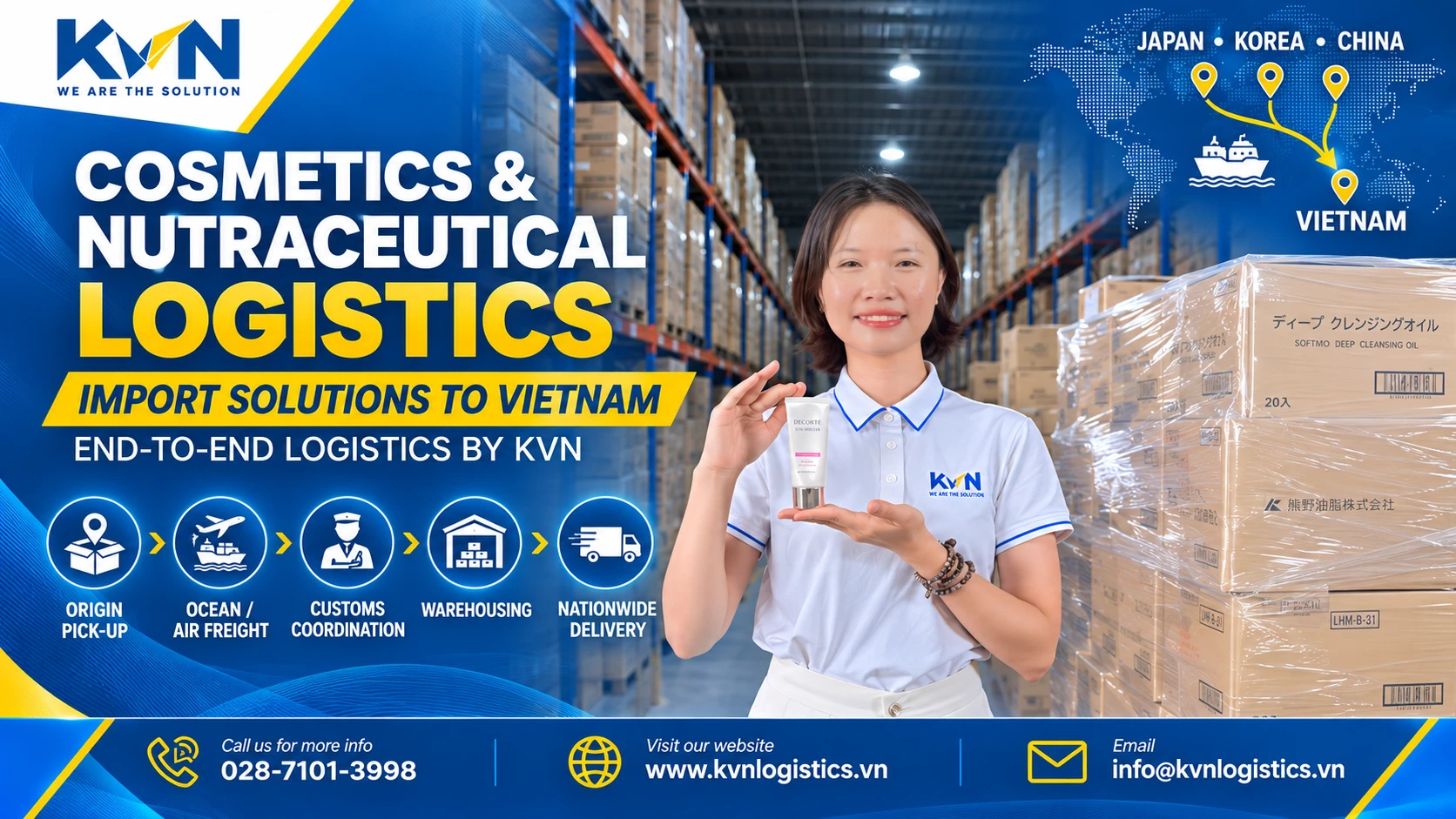
Cosmetics import logistics in Vietnam requires more than international freight transportation. For global beauty brands, cosmetics manufacturers, importers, and distributors, a successful supply chain depends on coordinated cargo pickup, origin-country transportation, international shipping, customs clearance, warehousing, and final delivery.
Unlike general consumer goods, cosmetics require particular attention to product notification, ingredient information, regulatory classification, labeling, documentation, and storage conditions.
Even a minor discrepancy in commercial documents or product information can lead to customs delays, additional storage charges, and disruptions to distribution schedules.
With an integrated Door-to-Door Logistics approach, KVN Logistics supports businesses in connecting international transportation, import documentation, customs coordination, warehouse operations, and inland delivery within a comprehensive supply chain plan.
Through its international agency network and domestic logistics capabilities, KVN Logistics develops transportation solutions tailored to the operational requirements of the beauty and wellness industry.
1. Why Does the Cosmetics Industry Require Specialized Logistics Solutions?
The cosmetics and personal care industry covers a wide range of products, including skincare, haircare, makeup, facial cleansers, body care, perfumes, and other beauty-related products.
A single cosmetics importer may source products from several international manufacturers while managing hundreds of stock-keeping units (SKUs).
This diversity creates specific requirements for cargo documentation, transportation planning, handling, and distribution.
1.1. Diverse Products and Complex Documentation
Cosmetics shipments may contain different product categories, packaging specifications, manufacturers, brands, and product descriptions.
Importers need to ensure consistency across commercial and regulatory documentation, including:
- Commercial invoices and packing lists.
- Product names, descriptions, and specifications.
- Shipping documents and customs declarations.
- Applicable cosmetic product notification records.
- Product labels and supporting product information.
- Certificates and other documents where required.
Product classification should be assessed based on actual characteristics, ingredients, intended uses, and product claims.
This becomes particularly important for products that may fall near the regulatory boundaries between cosmetics, pharmaceuticals, and other regulated categories.
1.2. Product Quality and Handling Requirements
Many cosmetics require careful handling to preserve packaging integrity and product quality during transportation.
Depending on manufacturers’ recommendations, certain products may be sensitive to excessive heat, moisture, sunlight, or physical impacts.
Key logistics considerations include:
- Protecting glass bottles, jars, tubes, and retail packaging.
- Minimizing carton damage during loading and unloading.
- Selecting suitable containers and transportation methods.
- Monitoring storage conditions based on product requirements.
- Managing batch information and expiration dates when required.
Not all cosmetics require refrigerated transportation. Suitable storage and transportation arrangements should be selected according to individual product specifications.
1.3. Distribution Deadlines and Cost Optimization
Cosmetics importers frequently operate according to product launch schedules, promotional campaigns, retail replenishment plans, and seasonal demand.
A shipment delayed during customs clearance may affect inventory availability and downstream sales operations.
Therefore, choosing a logistics partner should involve evaluating the entire supply chain rather than comparing international freight rates alone.
2. KVN Logistics: Connecting Cosmetics Supply Chains from Overseas Manufacturers to Vietnam
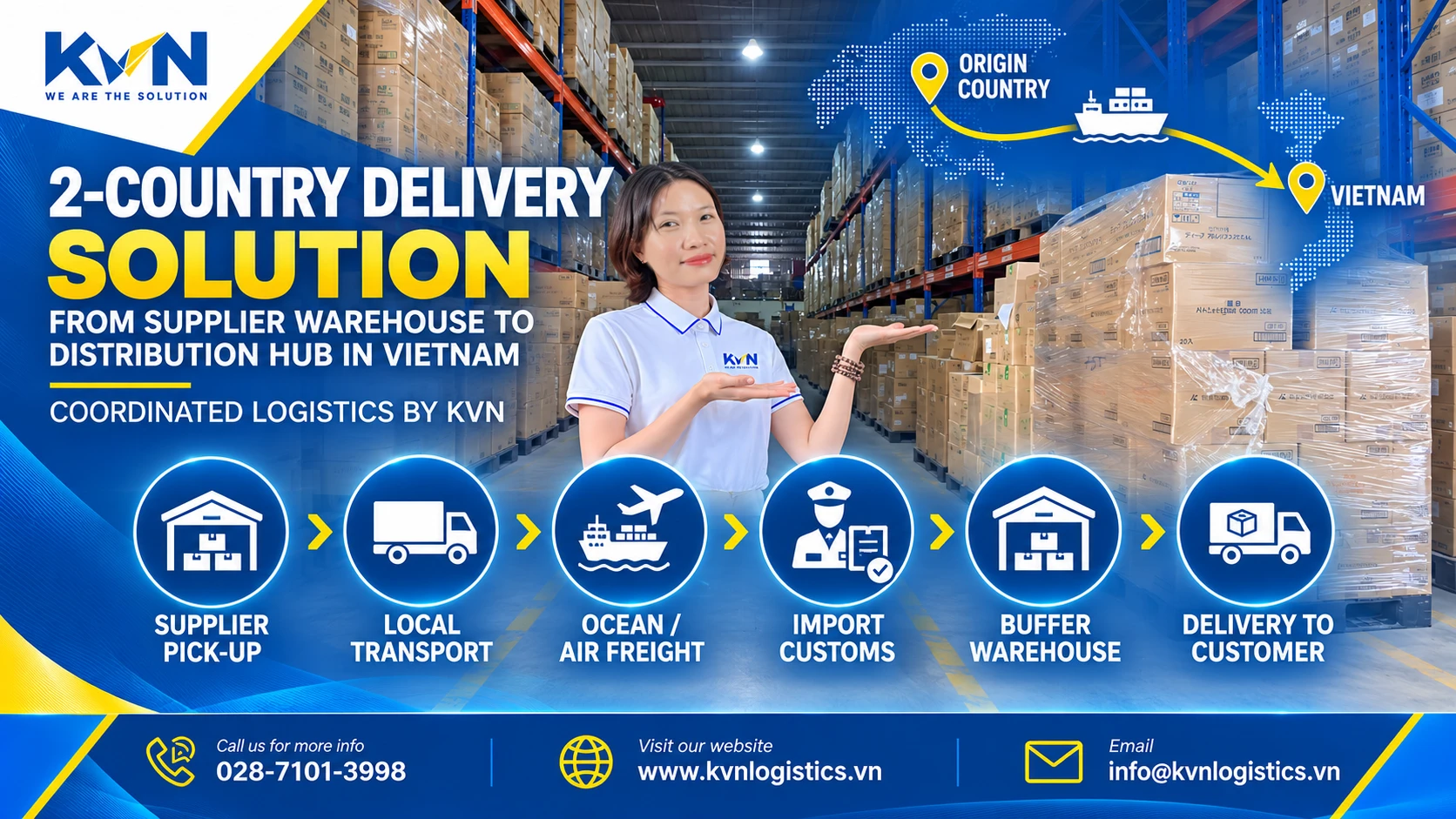
KVN Logistics approaches international cosmetics transportation through an integrated Door-to-Door Logistics model.
Depending on customer requirements, trade terms, and agreed service scope, a shipment may involve cargo pickup at overseas factories, inland transportation at origin, consolidation, international freight, customs coordination, warehousing, and final delivery in Vietnam.
Stage 1: Cargo Pickup in the Country of Origin
Through international agents and transportation partners, KVN Logistics can coordinate cargo collection from:
- Cosmetics manufacturing facilities.
- Overseas suppliers’ warehouses.
- Export distribution centers.
- Consolidation warehouses.
- Other agreed cargo collection locations.
For businesses importing cosmetics from Japan, South Korea, China, and other international markets, inland transportation at origin connects suppliers with ports or airports.
KVN Logistics works with its partners to coordinate pickup schedules, cargo information, trucking arrangements, and handover procedures.
This approach is particularly useful for importers purchasing products from multiple manufacturers.
Stage 2: Cargo Consolidation and Temporary Storage Before Export
Not every cosmetics importer purchases enough products from one supplier to fill an entire container.
Businesses sourcing from multiple overseas suppliers may benefit from cargo consolidation and temporary storage arrangements.
Depending on available facilities and local service conditions, KVN Logistics can coordinate:
Cargo Consolidation
Shipments collected from different suppliers can be consolidated for international transportation.
Temporary Warehousing
When products are not ready for simultaneous shipment or need to wait for a confirmed departure schedule, temporary storage may be arranged under agreed conditions.
Consolidation Planning
Pickup schedules, cargo quantities, shipment readiness, and international transport bookings can be coordinated to improve operational efficiency.
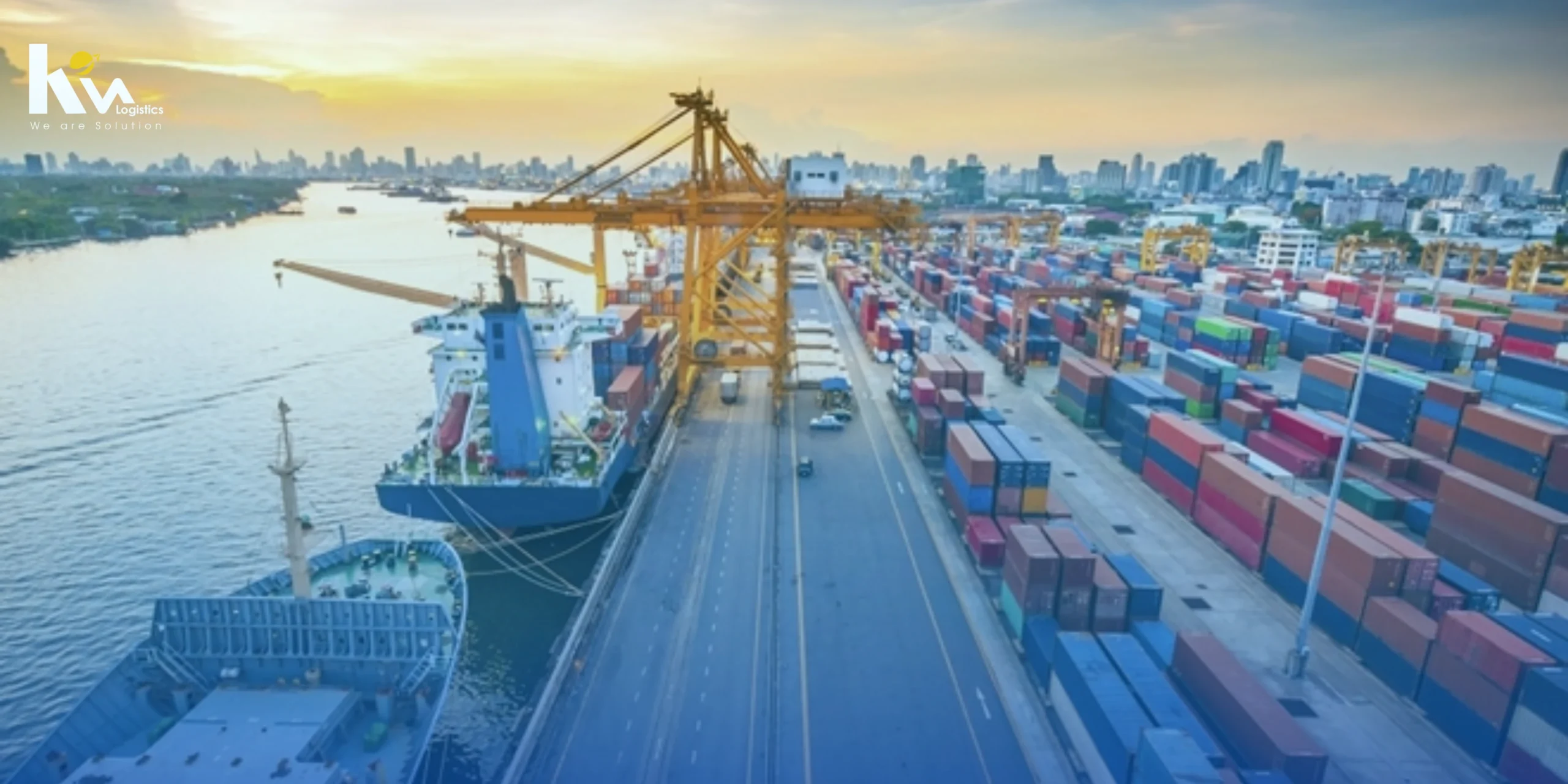
KVN Logistics’ Sea Freight Solutions include Full Container Load, Less than Container Load, and Master Consolidation services, providing options for businesses with different shipment volumes.
Stage 3: International Cosmetics Transportation by Sea or Air
KVN Logistics provides international freight forwarding solutions based on shipment size, cargo characteristics, delivery requirements, and commercial priorities.
Sea Freight Solutions
Sea freight is generally suitable for regular cosmetics imports, large-volume shipments, and businesses seeking cost-efficient transportation.
Common arrangements include:
- Full Container Load (FCL): Suitable for shipments requiring an entire container.
- Less than Container Load (LCL): Suitable for smaller shipments sharing container space.
- Cargo Consolidation: Coordinating multiple consignments into suitable international shipping arrangements.
- Shipping Schedule Coordination: Selecting appropriate sailings and planning cargo readiness.
For businesses operating recurring import schedules, sea freight can help balance transportation costs and inventory planning.
The shipping process also requires coordination between booking confirmation, documentation deadlines, container preparation, and terminal cut-offs.
KVN Logistics explains these requirements in its guide to the Sea Freight Booking Process: Cut-Off, SI, VGM & CY/CFS.
Air Freight Solutions
Air freight may be appropriate for:
- Time-sensitive cosmetics shipments.
- High-value beauty products.
- Urgent inventory replenishment.
- Product launches with strict delivery schedules.
- Smaller consignments requiring shorter transit times.
Transportation methods should be selected after considering packaging, product characteristics, total logistics costs, and applicable transport regulations.
Certain products, including perfumes, aerosols, and cosmetics containing flammable substances, may be subject to dangerous goods transportation requirements.
3. Cosmetics Customs Clearance in Vietnam: Managing Complex Import Requirements
Customs clearance is among the most critical stages of cosmetics import logistics.
For companies importing cosmetics into Vietnam for commercial distribution, the process involves more than submitting a customs declaration.
Businesses must ensure that products meet applicable regulatory requirements and that commercial documentation is consistent with the relevant product information.
3.1. Cosmetic Product Notification Requirements
Vietnam regulates cosmetic products under its cosmetic management framework.
Cosmetics imported for commercial distribution generally need to comply with applicable cosmetic product notification requirements.
Importers should verify that relevant cosmetic product notification receipt numbers remain valid and that imported products correspond to the notified information.
A cosmetic product notification receipt number does not constitute government certification of a product’s safety or efficacy.
Specific requirements and exemptions depend on the product category, intended import purpose, and regulations effective at the time of importation.
3.2. Essential Documents for Cosmetics Imports
Depending on the shipment and applicable regulations, documentation may include:
Commercial Invoice
Provides commercial information relating to the international transaction.
Packing List
Identifies cargo quantities, packaging specifications, and shipment details.
Bill of Lading or Air Waybill
Confirms relevant international transportation information.
Customs Declaration
Contains information required for import customs procedures.
Cosmetic Product Notification Information
Supports verification of applicable regulatory requirements.
Certificate of Origin
May be required or used when claiming preferential tariff treatment, subject to applicable rules.
Additional Product Documentation
May be necessary to clarify product characteristics, classification, ingredients, or regulatory compliance.
The exact documentation requirements should be determined according to the individual shipment.
3.3. Common Customs Clearance Challenges for Imported Cosmetics
Inconsistent Product Information
Differences between product names, brands, manufacturers, commercial documents, and relevant notification records may require clarification.
Product Classification Difficulties
Certain products may require additional assessment to determine whether they are cosmetics, pharmaceuticals, or another regulated product category.
HS Code and Import Duty Issues
Incorrect HS classification may affect customs declarations, applicable tariffs, and regulatory requirements.
Incomplete Documentation
Missing or inconsistent information can result in requests for additional documentation, explanations, or lawful corrections.
Storage and Demurrage Costs
When customs clearance takes longer than anticipated, businesses may incur terminal storage, demurrage, detention, or other additional logistics charges.
Identifying these risks before shipment arrival can help importers prepare more effectively.
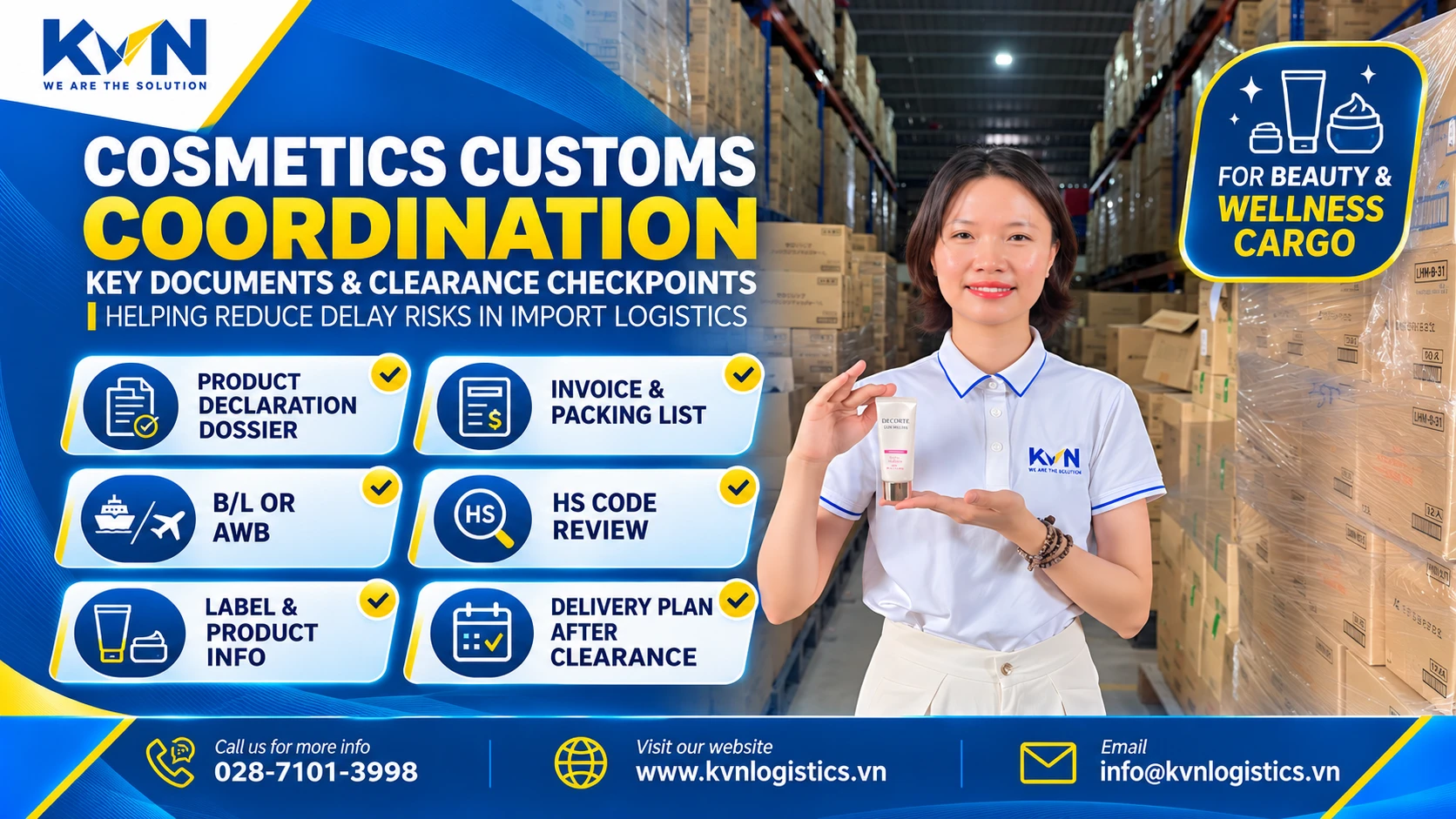
3.4. KVN CustomsCare: Customs Clearance and Documentation Coordination
Through KVN CustomsCare – Customs & Documentation Services, KVN Logistics supports businesses with import-export documentation, customs procedures, and shipment-related regulatory coordination within the agreed service scope.
A typical process may include:
- Receiving shipment information and product documentation.
- Reviewing commercial and shipping documents.
- Assessing HS classification and applicable import requirements.
- Identifying matters requiring clarification by the importer or qualified specialists.
- Coordinating customs declaration procedures within the authorized scope.
- Supporting lawful document supplementation or clarification when requested.
- Coordinating cargo release and subsequent delivery arrangements.
The value of professional customs coordination is not a promise that every shipment will be cleared without difficulty. It lies in identifying potential issues early, supporting compliant procedures, and reducing avoidable disruptions.
For cosmetics importers, customs documentation should ideally be reviewed before the shipment reaches its destination.
This allows the transportation plan and documentation requirements to be managed together.
Important: Cosmetic product notification is a specialized regulatory procedure separate from customs declaration. Any assistance involving product notification dossiers should be separately agreed upon and performed within an appropriate professional and legal scope.
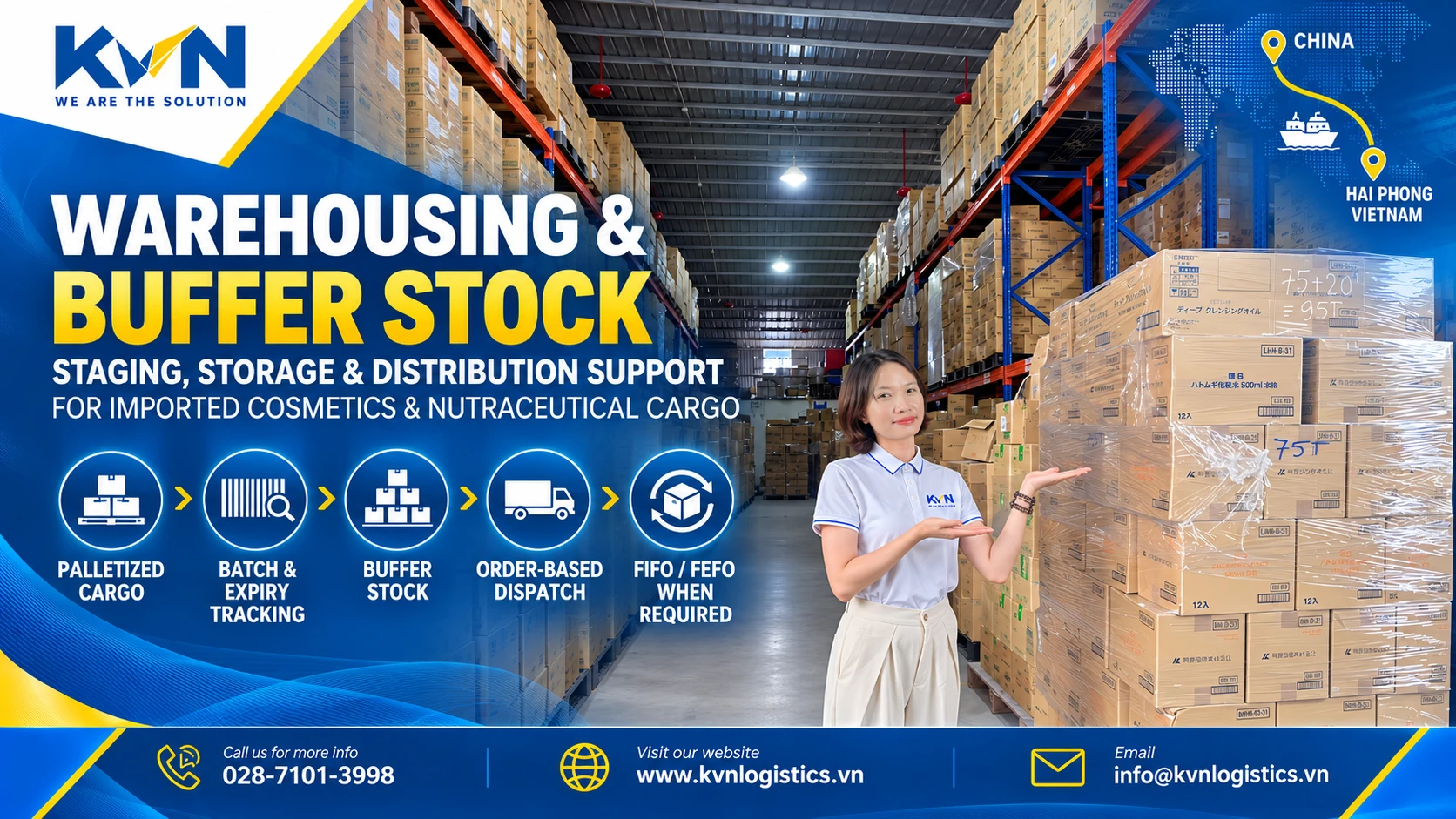
4. Temporary Warehousing and Buffer Stock Solutions for Imported Cosmetics
A major challenge for cosmetics importers is the difference between shipment arrival dates, customs clearance schedules, and the receiving capacity of distribution facilities.
Products may reach a port or airport before the importing business is ready to receive them.
An integrated logistics strategy can include temporary warehousing and buffer stock arrangements to support shipment coordination.
4.1. Warehousing Options Along the Supply Chain
Depending on cargo status, legal requirements, and product characteristics, warehousing arrangements may include:
Origin-Country Consolidation Warehouses
Facilities used to collect cargo from suppliers before international transportation.
Customs-Supervised Storage Locations
Authorized locations where goods may be stored under customs supervision before clearance, subject to applicable regulations.
Post-Clearance Warehouses
Storage facilities used after goods have completed the necessary import procedures.
Distribution and Transit Warehouses
Facilities supporting temporary inventory holding and scheduled dispatch to downstream customers.
Customs-supervised storage, bonded warehouses, and ordinary commercial warehouses are subject to different legal and operating conditions.
4.2. Inventory Handling and Storage Considerations
For cosmetics products, warehouse operations may require attention to:
- Carton and pallet quantities.
- SKU identification.
- Batch and lot numbers.
- Manufacturing and expiration dates.
- Packaging integrity.
- Suitable environmental conditions.
- Inventory rotation.
- Scheduled order dispatch.
Depending on the warehouse management arrangement, First-In, First-Out (FIFO) or First-Expired, First-Out (FEFO) methods may be applied.
Products requiring specialized storage conditions should only be accepted by facilities capable of meeting those requirements.
4.3. KVN DryHub: Supporting Storage and Distribution
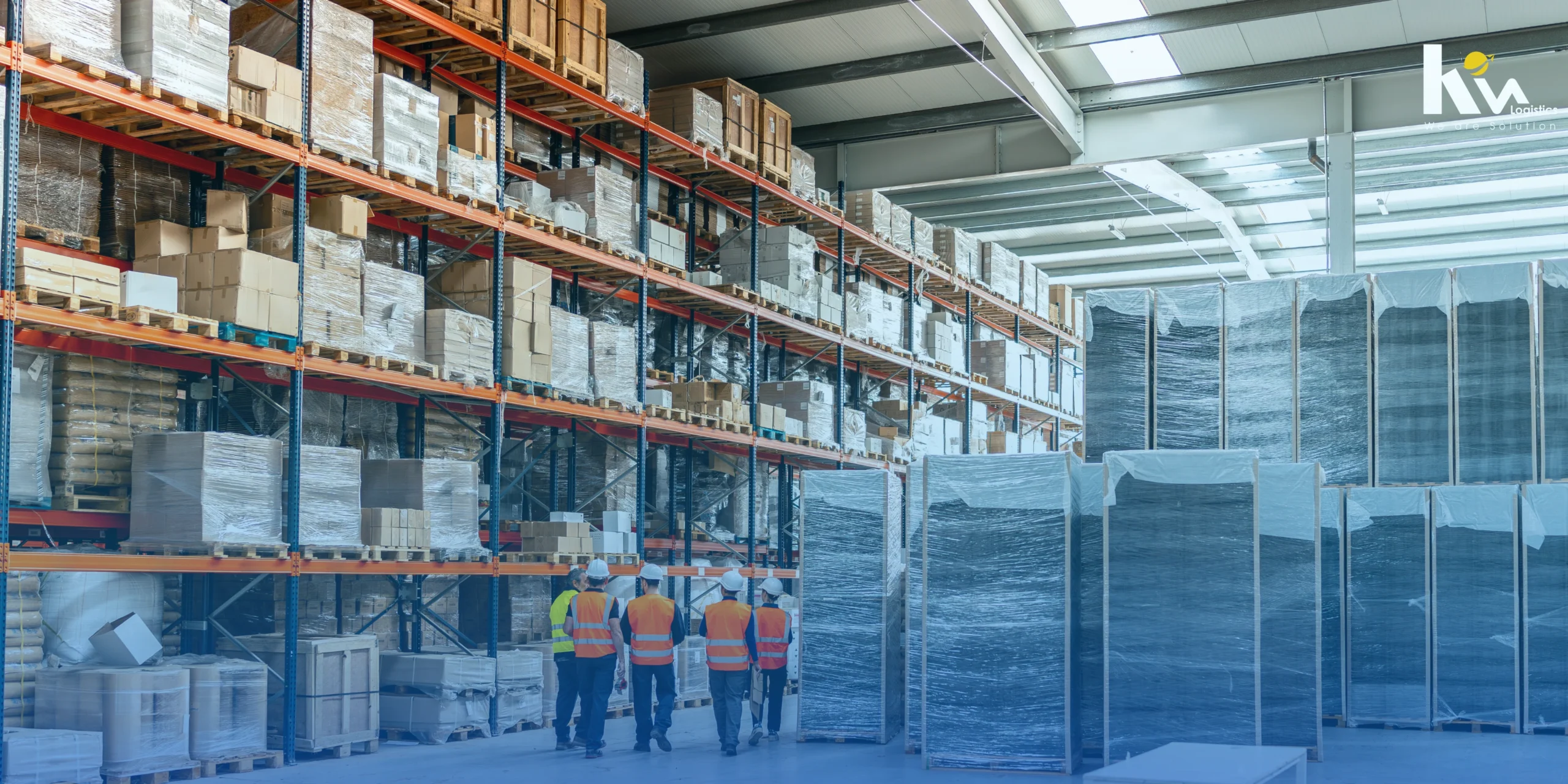
KVN Logistics offers integrated Warehousing & Supply Chain Solutions, including KVN DryHub, KVN ComLogistics, and value-added warehouse services.
KVN DryHub provides an approximately 18,000 m² standard dry warehouse solution designed to support storage, inventory management, and distribution requirements.
For cosmetics importers, suitable dry warehousing can support temporary storage, cargo staging, and distribution planning when product specifications permit.
Through related warehousing and supply chain solutions, businesses can also explore arrangements involving:
- Inventory management.
- Cargo handling.
- Packaging support.
- Order preparation.
- Distribution coordination.
- Shipment visibility.
By linking international freight, customs coordination, warehouse operations, and domestic transportation, KVN Logistics helps customers develop more integrated logistics plans.
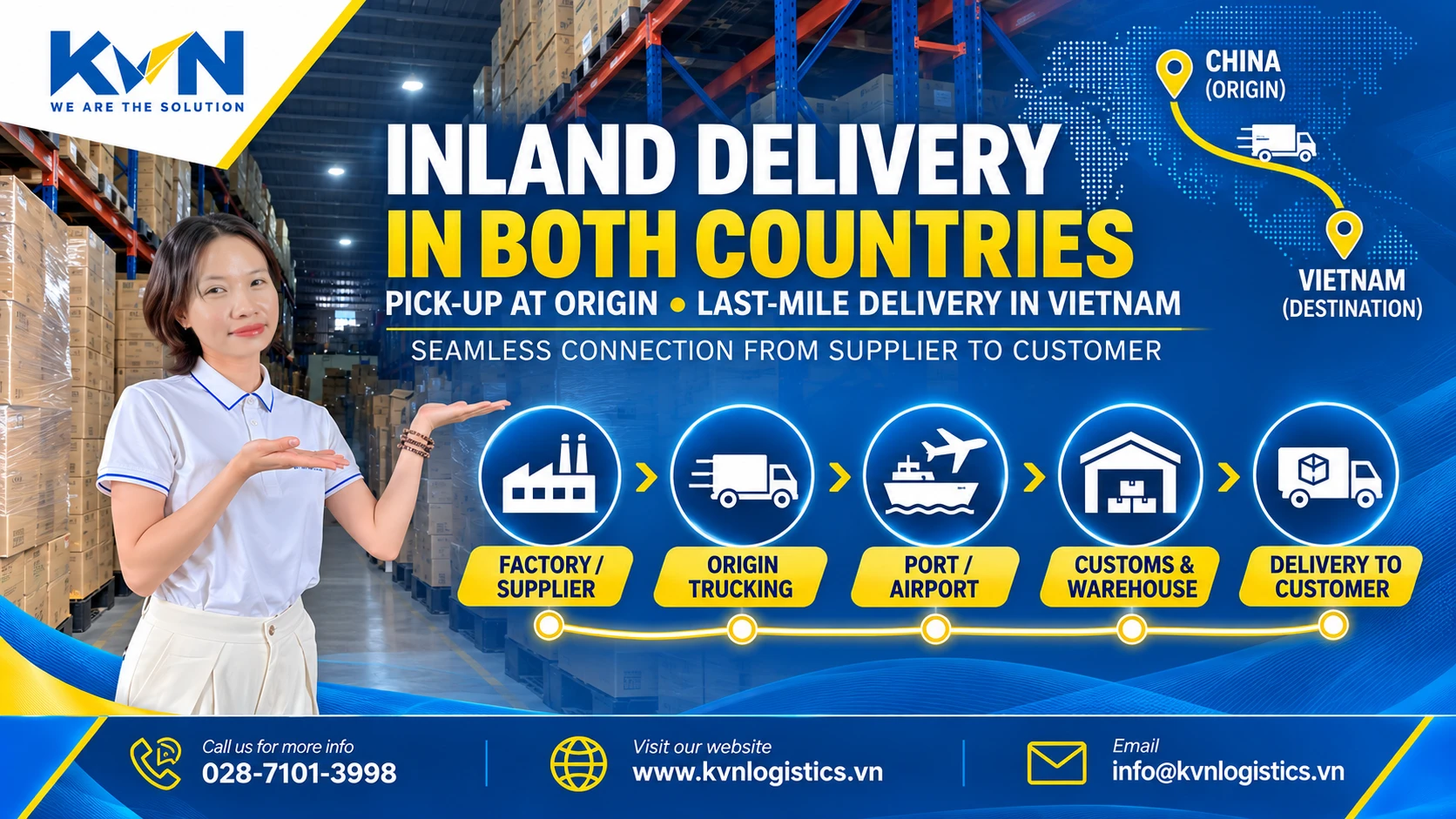
5. Inland Transportation in Both Countries: Completing the Door-to-Door Supply Chain
One of the advantages of integrated international logistics is the ability to coordinate inland transportation at both ends of a shipment.
For cosmetics importers, this means connecting the overseas supplier’s warehouse with the destination warehouse or distribution center in Vietnam.
5.1. Inland Transportation in the Country of Origin
Through overseas logistics partners, KVN Logistics can coordinate arrangements involving:
- Pickup from manufacturing facilities.
- Collection from suppliers’ warehouses.
- Transportation to consolidation facilities.
- Inland trucking to ports or airports.
- Multi-location cargo collection.
- Coordination between origin transportation and international freight bookings.
For companies purchasing cosmetics from multiple manufacturers, a coordinated cargo collection plan can help reduce operational complexity.
The objective is to align product readiness, cargo pickup, and international departure schedules.
5.2. Inland Transportation in Vietnam
Following completion of the necessary import procedures, KVN Logistics can coordinate domestic transportation from arrival ports or airports to agreed delivery locations.
These may include:
- Importers’ warehouses.
- Central distribution centers.
- Manufacturing facilities.
- Wholesale distribution warehouses.
- Retail supply chain hubs.
- Other agreed receiving locations.
KVN Logistics’ domestic transportation solutions connect seaports, inland container depots, factories, and warehouses.
For containerized imports, transportation planning may also involve container release, truck scheduling, unloading arrangements, and empty-container return.
Businesses can learn more through KVN Logistics’ operational guide: Domestic Container Trucking in Vietnam: Port–Factory–Warehouse Process.
5.3. One Coordinated Logistics Network
Managing an international cosmetics shipment typically involves cooperation between multiple organizations:
- Overseas manufacturers and suppliers.
- Origin-country trucking companies.
- Freight forwarders.
- Shipping lines or airlines.
- Customs service providers.
- Warehouse operators.
- Domestic transportation companies.
Without effective coordination, communication gaps between these parties can create delays and additional costs.
Under an integrated Door-to-Door service arrangement, KVN Logistics can act as a coordinated contact point for the agreed logistics activities.
This approach can help businesses:
- Improve communication between logistics stages.
- Monitor important shipment milestones.
- Coordinate transportation and delivery schedules.
- Identify operational responsibilities.
- Evaluate total logistics costs.
- Focus internal resources on procurement, marketing, sales, and distribution.
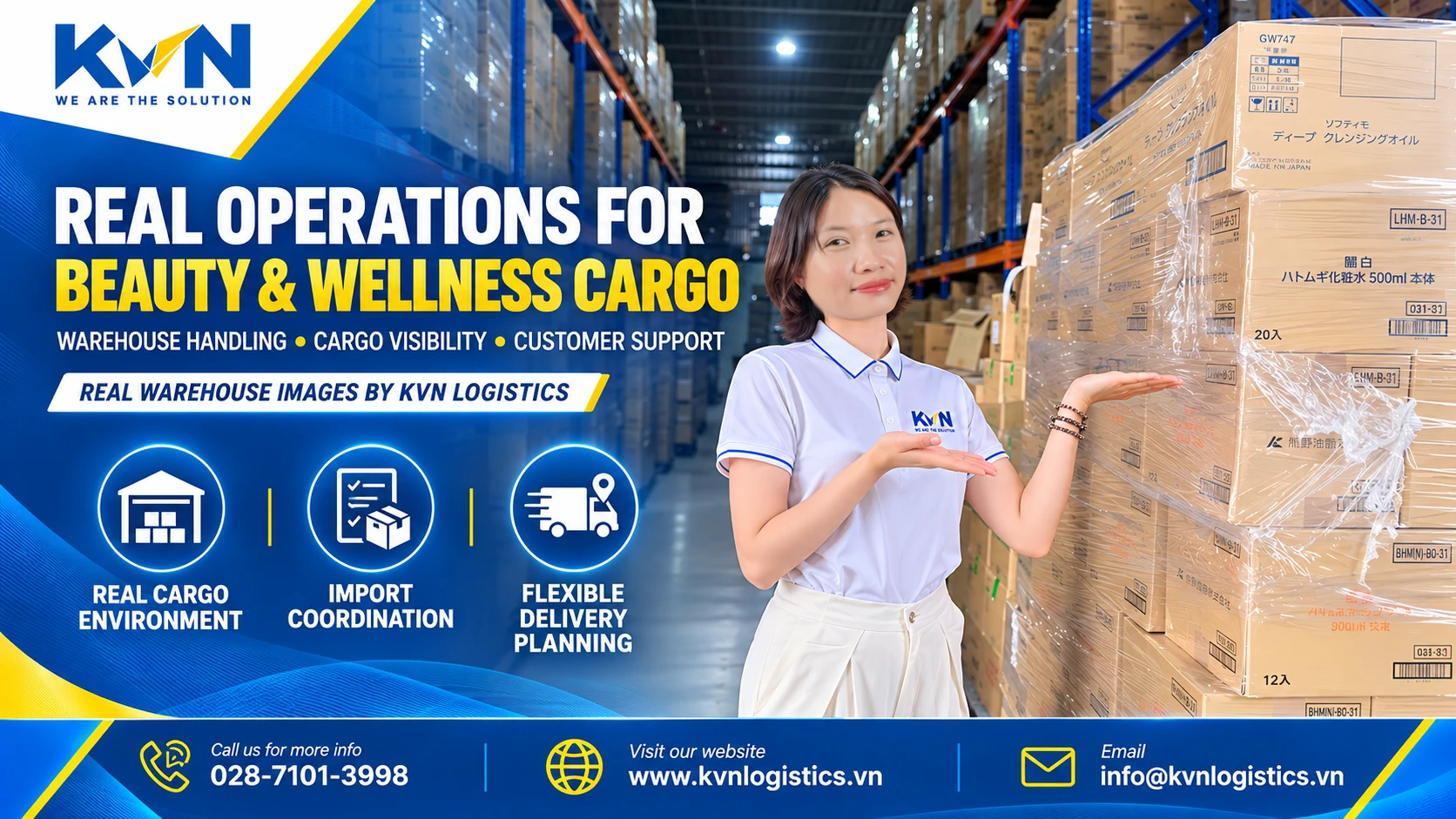
6. Real Warehouse Operations: Connecting Cosmetics Cargo with Logistics Expertise
Behind every cosmetics shipment is a sequence of physical and administrative activities involving suppliers, transportation providers, documentation teams, customs procedures, warehouse operators, and receiving businesses.
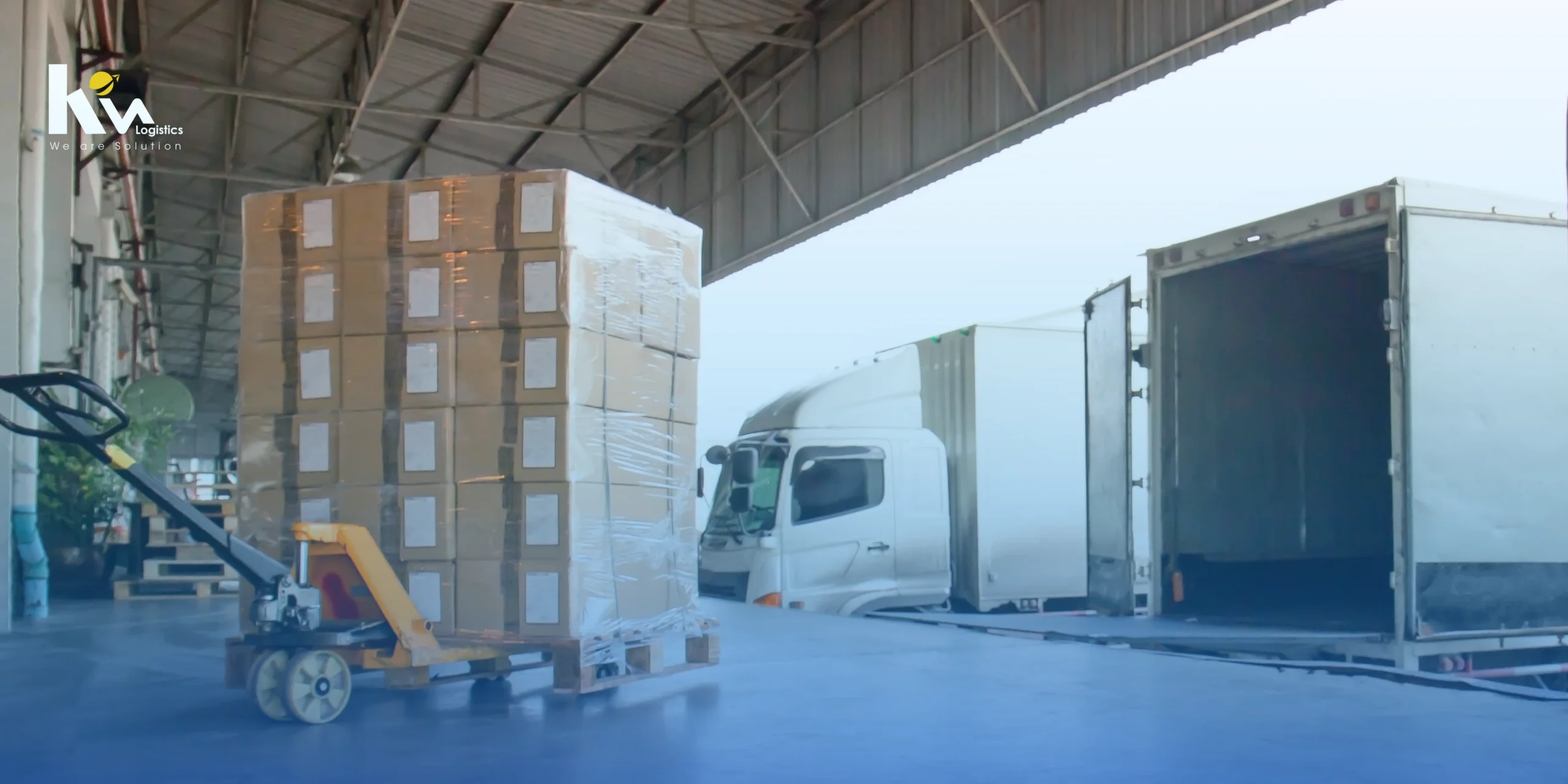
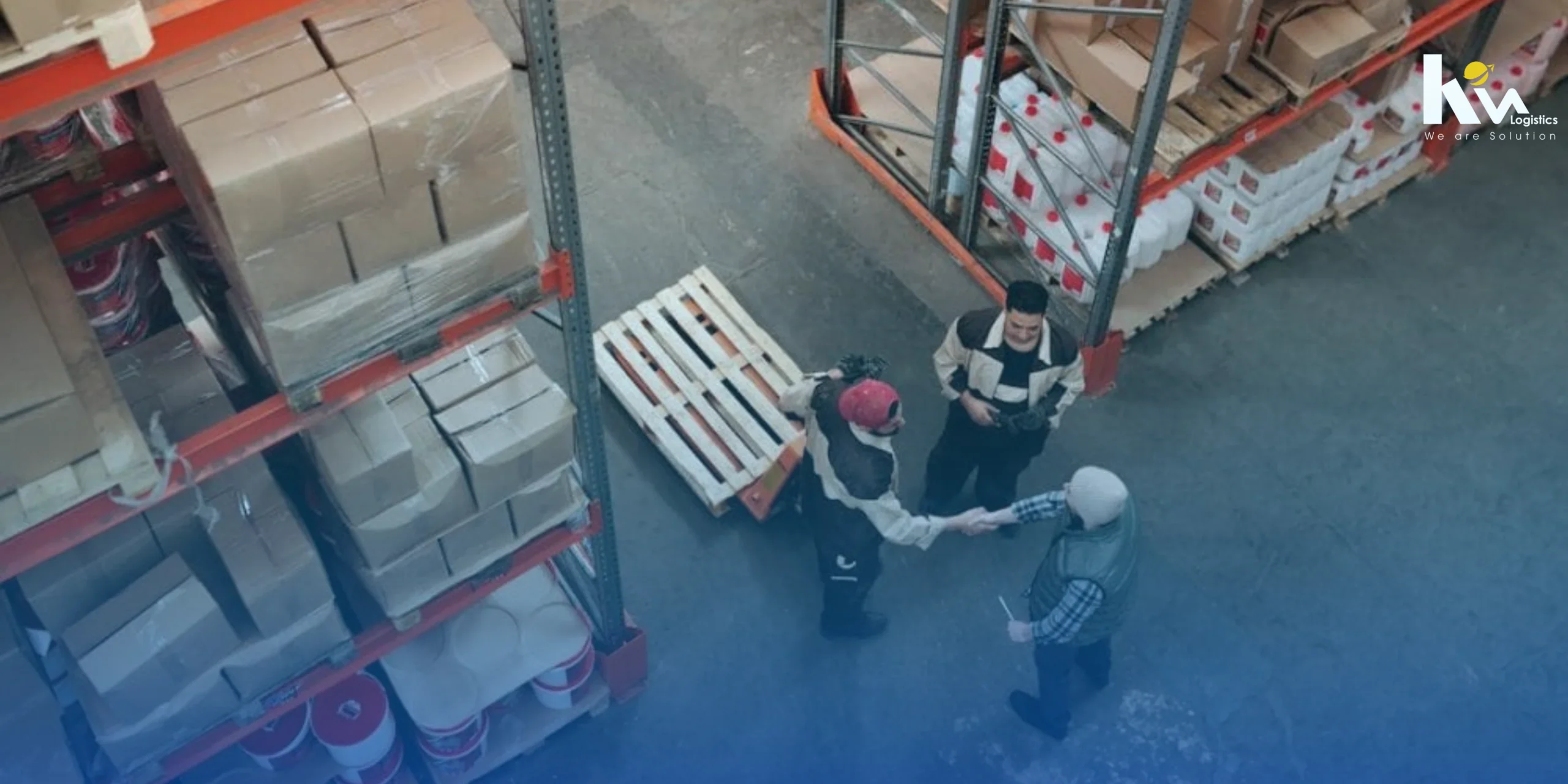
Real warehouse images featuring KVN Logistics personnel, palletized cosmetics cartons, and personal care products provide a practical perspective on the operating environment of the beauty industry’s supply chain.
The photographed cargo includes different carton sizes, packaging formats, product labels, and pallet arrangements.
These details illustrate the importance of organizing cargo information and coordinating warehouse handling activities.
For businesses managing multiple cosmetics brands and product categories, operational considerations may include:
Cargo Identification
Ensuring that cartons, quantities, and product information can be matched with the relevant shipment documents.
Packaging Protection
Reducing the risk of carton damage and protecting products during cargo handling.
Shipment Coordination
Aligning warehouse activities with international transportation schedules and import procedures.
Delivery Planning
Preparing appropriate transportation arrangements for subsequent distribution.
KVN Logistics approaches these requirements through industry-oriented logistics planning rather than assuming that every commodity can follow the same operational process.
From individual cargo units to international shipment coordination, the objective is to develop logistics solutions aligned with customers’ commercial and operational requirements.
7. Who Can Benefit from KVN Logistics’ Cosmetics Supply Chain Solutions?
KVN Logistics’ integrated service approach is relevant to several B2B customer segments.
International Cosmetics Brands
Global beauty brands seeking logistics arrangements to supply importers, authorized distributors, or commercial partners in Vietnam.
Typical requirements include international shipping, documentation coordination, and delivery to designated distribution facilities.
Cosmetics Importers
Businesses importing cosmetics from Japan, South Korea, China, Europe, and other international markets.
Common requirements include overseas cargo pickup, international freight, customs documentation, and inland delivery.
Beauty Product Distributors
Importers and distributors managing recurring inventory replenishment, multiple product categories, and delivery schedules.
Suitable solutions may involve consolidated shipments, warehousing arrangements, and scheduled distribution.
OEM/ODM Manufacturers
Manufacturers requiring transportation for cosmetic ingredients, packaging materials, production inputs, or finished products.
Logistics arrangements depend on material characteristics and applicable regulatory requirements.
Retail and E-commerce Businesses
Companies coordinating inbound inventory to central warehouses or distribution facilities.
These businesses may require reliable replenishment schedules, inventory visibility, and flexible delivery arrangements.
8. How KVN Logistics Organizes Cosmetics Import Shipments
KVN Logistics develops transportation solutions based on individual shipment requirements and the agreed service scope.
Step 1: Understand Shipment Requirements
Customers provide information such as:
- Product categories and descriptions.
- Country of origin.
- Pickup and delivery locations.
- Shipment volume and weight.
- Cargo ready date.
- Required delivery schedule.
- Available commercial and regulatory documentation.
Step 2: Review Cargo Characteristics
KVN Logistics evaluates the shipment’s transportation and handling requirements.
Important considerations may include packaging, storage conditions, product classification, and documentation requirements.
Step 3: Develop the Logistics Plan
A proposed solution may involve:
- Origin-country trucking.
- Cargo consolidation.
- International sea or air freight.
- Customs documentation coordination.
- Temporary warehousing.
- Domestic transportation and final delivery.
Step 4: Prepare Cost and Schedule Proposals
The service proposal outlines the agreed scope, estimated transportation arrangements, schedules, and relevant charges.
Potential additional costs and service conditions should be clarified before execution.
Step 5: Coordinate Shipment Execution
KVN Logistics coordinates the agreed transportation stages, monitors shipment milestones, and communicates relevant updates to the customer.
Step 6: Complete Delivery and Documentation
After completion of applicable import procedures, cargo is delivered to the agreed destination.
Handover records and related service documentation are completed according to the contractual scope.
9. Why Choose KVN Logistics for Cosmetics Import Logistics in Vietnam?
Integrated Logistics Capabilities
KVN Logistics connects international sea freight, air freight, inland transportation, customs documentation, and suitable warehousing arrangements.
This integrated approach allows customers to coordinate multiple shipment stages under one logistics plan.
International Partner Network
Through overseas agents and logistics partners, KVN can coordinate shipment activities in both origin and destination countries.
Industry-Oriented Logistics Planning
KVN Logistics focuses on understanding cargo characteristics, documentation requirements, transportation conditions, and customers’ business objectives.
For the cosmetics industry, this approach is relevant to product diversity, regulatory complexity, and distribution requirements.
Customs Documentation Coordination
Through KVN CustomsCare, customs-related processes can be aligned with transportation planning.
Early documentation review helps importers identify potential issues and prepare for necessary procedures.
Flexible Warehousing and Distribution Arrangements
Depending on product suitability, warehouse availability, and agreed services, businesses can explore temporary storage, consolidation, cargo handling, and scheduled deliveries.
Established Logistics Service Portfolio
KVN Logistics provides a combination of international freight forwarding, customs services, domestic transportation, and warehousing solutions.
Businesses can learn more about its service portfolio, network, and corporate capabilities through the KVN Logistics Company Profile.
10. Frequently Asked Questions About Cosmetics Import Logistics in Vietnam
Do cosmetics imported into Vietnam require product notification?
Cosmetics imported for commercial distribution generally need to meet Vietnam’s applicable cosmetic product notification requirements.
Specific obligations and exemptions depend on the import purpose, product category, and regulations effective at the time of importation.
Can KVN Logistics arrange cosmetics shipments from Japan, South Korea, and China?
KVN Logistics can evaluate shipment requirements and coordinate suitable transportation arrangements through its international logistics partners.
Service availability depends on the origin, destination, cargo characteristics, route, and agreed operational conditions.
Can KVN Logistics collect cosmetics directly from overseas suppliers?
Cargo pickup may be coordinated through logistics partners in the country of origin when the requested arrangement is available and agreed upon.
Can imported cosmetics be stored while customs procedures are pending?
Depending on shipment status and applicable customs rules, goods may be stored at appropriately authorized locations.
Goods under customs supervision cannot automatically be transferred to ordinary commercial warehouses before the relevant legal conditions have been satisfied.
Do imported cosmetics require refrigerated containers?
Not necessarily.
Temperature-controlled transportation depends on product characteristics, manufacturer specifications, and applicable transportation requirements.
Can KVN Logistics deliver imported cosmetics to multiple locations in Vietnam?
KVN Logistics can evaluate multi-point delivery requirements and coordinate appropriate domestic transportation arrangements.
Delivery locations, schedules, costs, and service conditions should be agreed upon in advance.
What is the difference between FCL and LCL for cosmetics imports?
FCL refers to shipping cargo in an entire container, while LCL allows smaller consignments to share container space.
The most appropriate option depends on cargo volume, packaging, delivery schedules, and total logistics costs.
How are cosmetics import logistics costs calculated?
Total logistics costs depend on factors including:
- Country of origin.
- Cargo pickup location.
- Transportation method.
- Shipment dimensions and weight.
- Incoterms and agreed service scope.
- Customs-related requirements.
- Warehousing needs.
- Final delivery locations.
Importers should provide detailed shipment information to obtain an accurate service quotation.
Can KVN Logistics coordinate customs clearance, warehousing, and transportation under one service arrangement?
Yes. Depending on the shipment, available services, and contractual scope, KVN Logistics can coordinate international transportation, customs documentation, suitable warehouse arrangements, and domestic delivery within an integrated logistics plan.
11. KVN Logistics – We Are the Solution
For the cosmetics industry, logistics is not simply about transporting products between countries.
It is about connecting manufacturing, international freight, import procedures, warehousing, and domestic distribution into a coordinated supply chain.
With its international partner network and integrated logistics capabilities, KVN Logistics supports cosmetics importers, beauty brands, manufacturers, and distributors in developing logistics solutions tailored to their operational requirements.
From overseas cargo pickup and international freight to customs coordination, warehousing, and final delivery in Vietnam, KVN Logistics works toward becoming a reliable logistics solutions partner for the beauty and wellness industry.
Looking for a logistics partner to import cosmetics from Japan, South Korea, China, or other international markets into Vietnam?
Contact KVN Logistics to discuss your shipment requirements and explore a suitable transportation and supply chain solution.
KVN LOGISTICS – WE ARE THE SOLUTION
International Freight | Customs & Documentation | Inland Trucking | Warehousing & Supply Chain
Website: https://kvnlogistics.vn
Email: info@kvnlogistics.vn
Hotline: (+84) 28 7101 3998
Regulatory information in this article is provided for general reference. Product notification requirements, classification, customs procedures, and import conditions should be verified against the regulations effective at the time of shipment.