

The logistics market in Week 2 of June 2026 recorded several notable movements both globally and domestically.
If the market in early May was still “stable on the surface,” June is showing clearer pressure: ocean freight rates are rising quickly, marine fuel costs remain a major variable, while Vietnam’s import-export activities and port cargo throughput continue to maintain positive growth momentum.
KVN Logistics highlights several key market updates this week:
🚢 1. Global market: Container freight rates rise as peak season arrives early
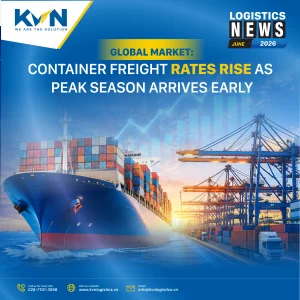
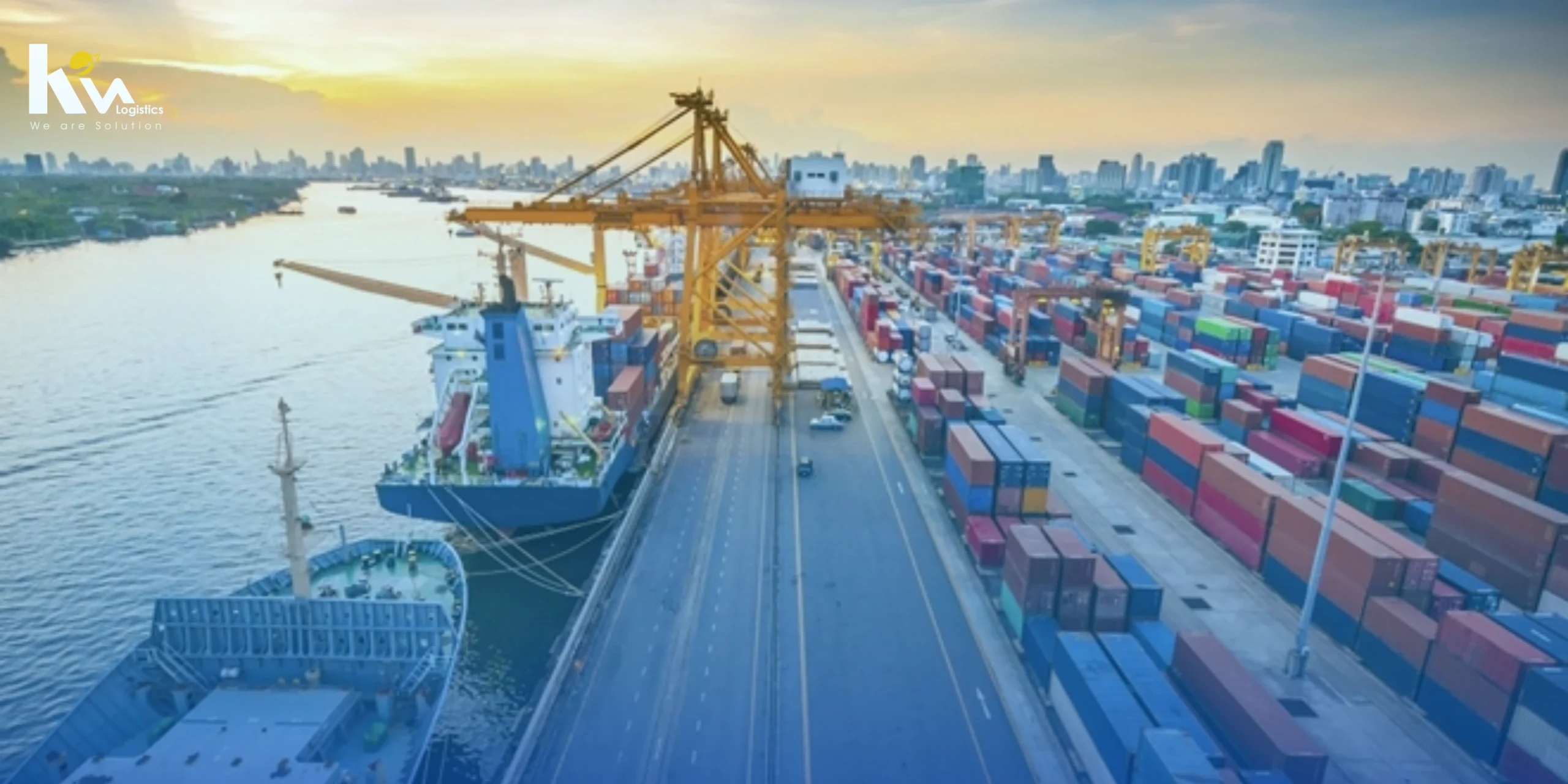
The global ocean freight market is entering a clearer upward cycle, especially on Trans-Pacific and Asia–Europe routes.
Key drivers include:
- Businesses moving shipments earlier ahead of peak season
- Stronger booking demand on routes to the US and Europe
- Carriers adjusting FAK and PSS on multiple trade lanes
- Fuel costs and geopolitical risks continuing to impact freight rates
👉 Key takeaway: the market is no longer in a “low-rate, easy-booking” phase. Businesses should check vessel schedules and freight levels by specific trade lane before finalizing shipment plans.
⛽ 2. Fuel costs and Middle East tensions remain major variables
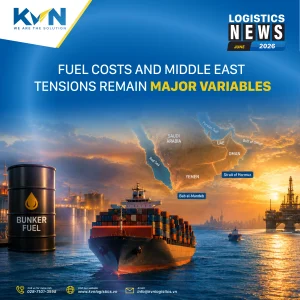
Ongoing tensions in the Middle East continue to put pressure on vessel operating costs, especially marine fuel.
Although no widespread disruption has occurred, rising bunker fuel costs are making carriers more cautious in pricing and schedule management.
Potential impacts include:
- Higher fuel surcharges
- Risk of vessel schedule adjustments
- Increased insurance and risk-related charges
- Freight rates becoming harder to drop quickly, even when demand is not evenly booming
👉 For long-haul routes such as Asia–US, Asia–Europe, and Middle East lanes, businesses should secure space earlier and build extra buffer time into delivery plans.
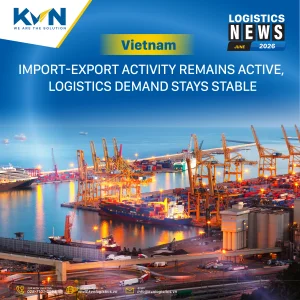
🇻🇳 3. Vietnam: Import-export activity remains active, logistics demand stays stable
Vietnam’s import-export activity continued to maintain strong scale in May and into June.
Logistics demand remains stable across several product groups, including:
- Production materials
- Machinery and equipment
- Industrial goods
- Plastics, packaging, and consumer goods
- Components and export-order cargo
However, the market is also facing pressure from import costs, exchange rates, fuel prices, and global freight fluctuations.
👉 Businesses should not only optimize “freight rates,” but also the entire operating plan: vessel schedules, lead time, documentation, warehousing, and backup solutions.
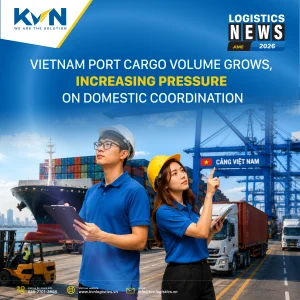
🏗️ 4. Vietnam port cargo volume grows, increasing pressure on domestic coordination
Cargo throughput via Vietnam’s seaport and inland waterway systems continued to grow in the first five months of 2026.
This is a positive signal for trade activity, but it also adds pressure to several logistics stages:
- Container trucking coordination
- Cargo pickup schedules at ports
- Warehousing and yard capacity
- Stuffing and unstuffing plans
- Connectivity between ports, ICDs, warehouses, and factories
👉 As cargo volume increases, businesses need to be more proactive in truck booking, document preparation, and control of free time, demurrage, and detention risks.
🧾 5. Customs: Digital documentation and centralized clearance begin to roll out
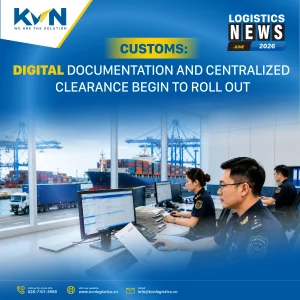
From early June 2026, the centralized customs clearance model and digital documentation process began pilot implementation at Customs Region III in Hai Phong.
This is an important step in customs modernization, aiming to centralize document processing, reduce paperwork, and improve transparency.
For import-export businesses, this change requires:
- More standardized document data
- Careful checking of declaration information
- Close tracking of processing codes, customs channels, and document requirements
- Strong coordination with logistics partners and forwarders to avoid delays
👉 Businesses that prepare documentation properly will gain a significant advantage during the transition toward digital customs.
🚀 KVN LOGISTICS INSIGHT:
The logistics market in Week 2 of June 2026 is moving into a phase of rising costs, sensitive schedules, and greater demand for operational flexibility.
This is not the time for businesses to look only at the lowest freight rate. Instead, they should evaluate the full picture: cost, timing, risks, and the ability to handle unexpected changes.
Businesses should:
✔ Secure space early on routes to the US, Europe, and the Middle East
✔ Closely monitor fuel surcharges, PSS, and vessel schedule changes
✔ Prepare documents proactively to adapt to digital customs processes
✔ Optimize the combination of FCL, LCL, trucking, warehousing, and customs clearance
✔ Work with a forwarder capable of route consulting, document handling, and flexible coordination
📩 Planning import-export shipments for June–July?
KVN Logistics is ready to support businesses with international freight, domestic transportation, customs clearance, warehousing, and supply chain optimization solutions tailored to each trade lane.
KVN Logistics – We are the Solution.
#KVNLogistics #WeAreTheSolution #GlobalLogistics #LogisticsVietnam #FreightMarket #OceanFreight #SupplyChain #CustomsClearance #ImportExport #VietnamExport #GlobalTrade