

In international logistics, a Freight Forwarder is one of the most important players in the supply chain — yet many businesses still misunderstand what a forwarder actually does.
Many people assume freight forwarders only “book vessels” or arrange transportation. In reality, modern forwarders act as strategic logistics partners that help businesses:
- optimize shipping costs,
- manage documentation,
- coordinate international transportation,
- reduce operational risks,
- and streamline the entire supply chain from origin to final destination.
Especially in today’s market where:
- freight rates fluctuate constantly,
- container shortages occur during peak seasons,
- port congestion impacts transit times,
- and global supply chains continue to shift,
the role of freight forwarders has become more critical than ever.
What Is a Freight Forwarder?
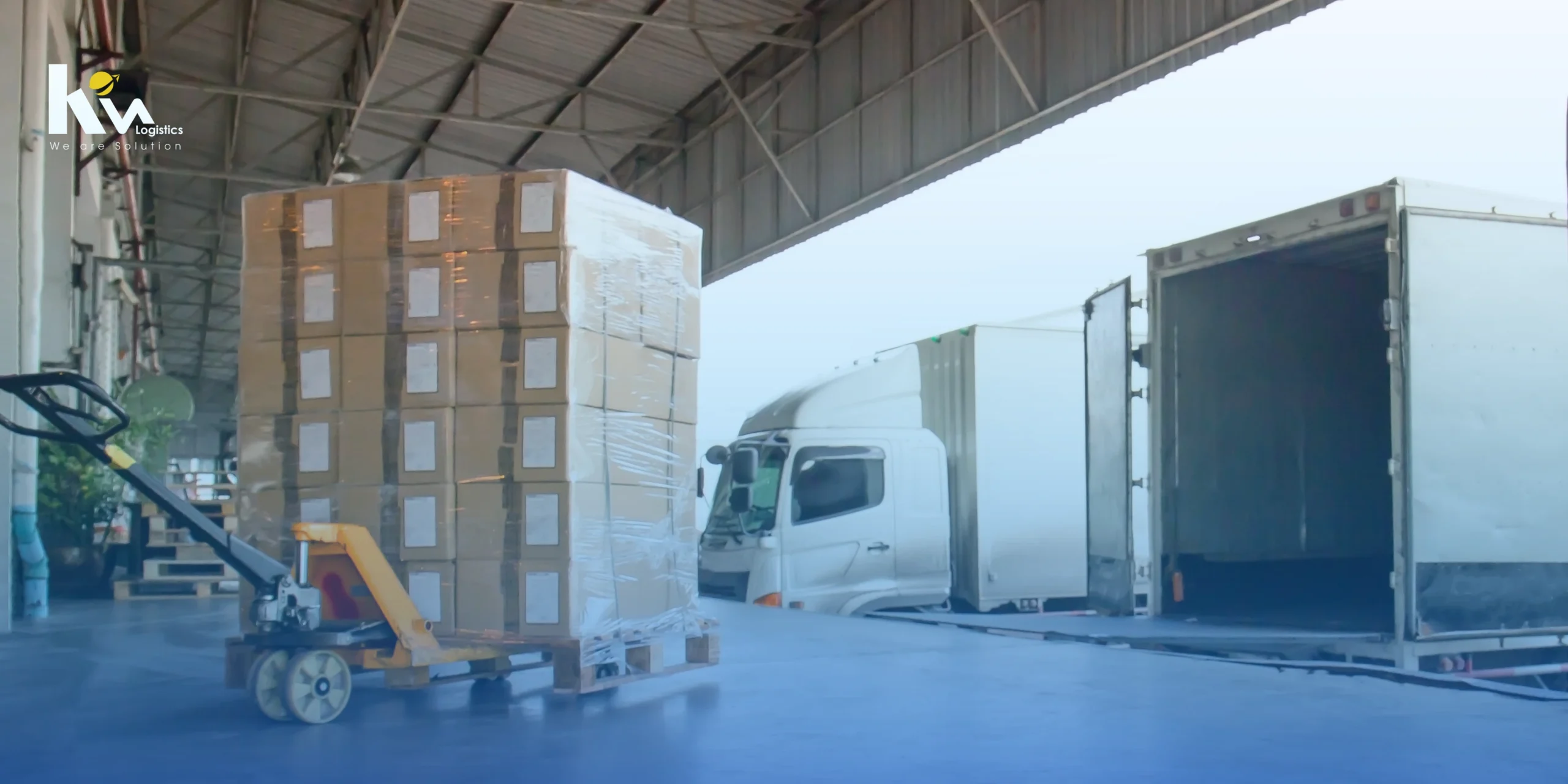
A Freight Forwarder is a logistics intermediary that organizes and coordinates international cargo transportation through various modes such as:
- ocean freight,
- air freight,
- trucking,
- rail freight,
- and multimodal transportation.
Forwarders work on behalf of shippers to:
- communicate with shipping lines,
- arrange bookings,
- handle customs clearance,
- monitor shipments,
- coordinate cargo movement,
- and resolve logistics-related issues.
Simply put:
If shipping lines operate the vessels, freight forwarders operate the logistics solution.
What Does a Freight Forwarder Do?
1. Arranging International Transportation
Freight forwarders help businesses:
- select suitable shipping routes,
- optimize transit times,
- balance transportation costs,
- and choose the right carriers for each shipment.
Depending on cargo volume and urgency, businesses may choose:
- FCL shipping,
- LCL shipping,
- Consolidation,
- Air Freight,
- or Project Cargo solutions.
To better understand the difference between FCL and LCL shipping, businesses can read:
👉 KVN Logistics – Shipping from Vietnam to the USA: FCL, LCL & Customs Procedures
2. Handling Import & Export Documentation
One of the most important responsibilities of a freight forwarder is managing shipping and customs documentation.
This includes:
- Bill of Lading (B/L),
- Commercial Invoice,
- Packing List,
- Manifest,
- Certificate of Origin (C/O),
- Booking Confirmation,
- and customs declarations.
Even a small documentation error can result in:
- cargo being held at port,
- demurrage and detention charges,
- shipment delays,
- or loss of tax incentives.
That is why an experienced freight forwarder plays a major role in maintaining smooth supply chain operations.
3. Coordinating the Entire Supply Chain
In real-world logistics operations, international cargo often passes through multiple stages:
- inland trucking,
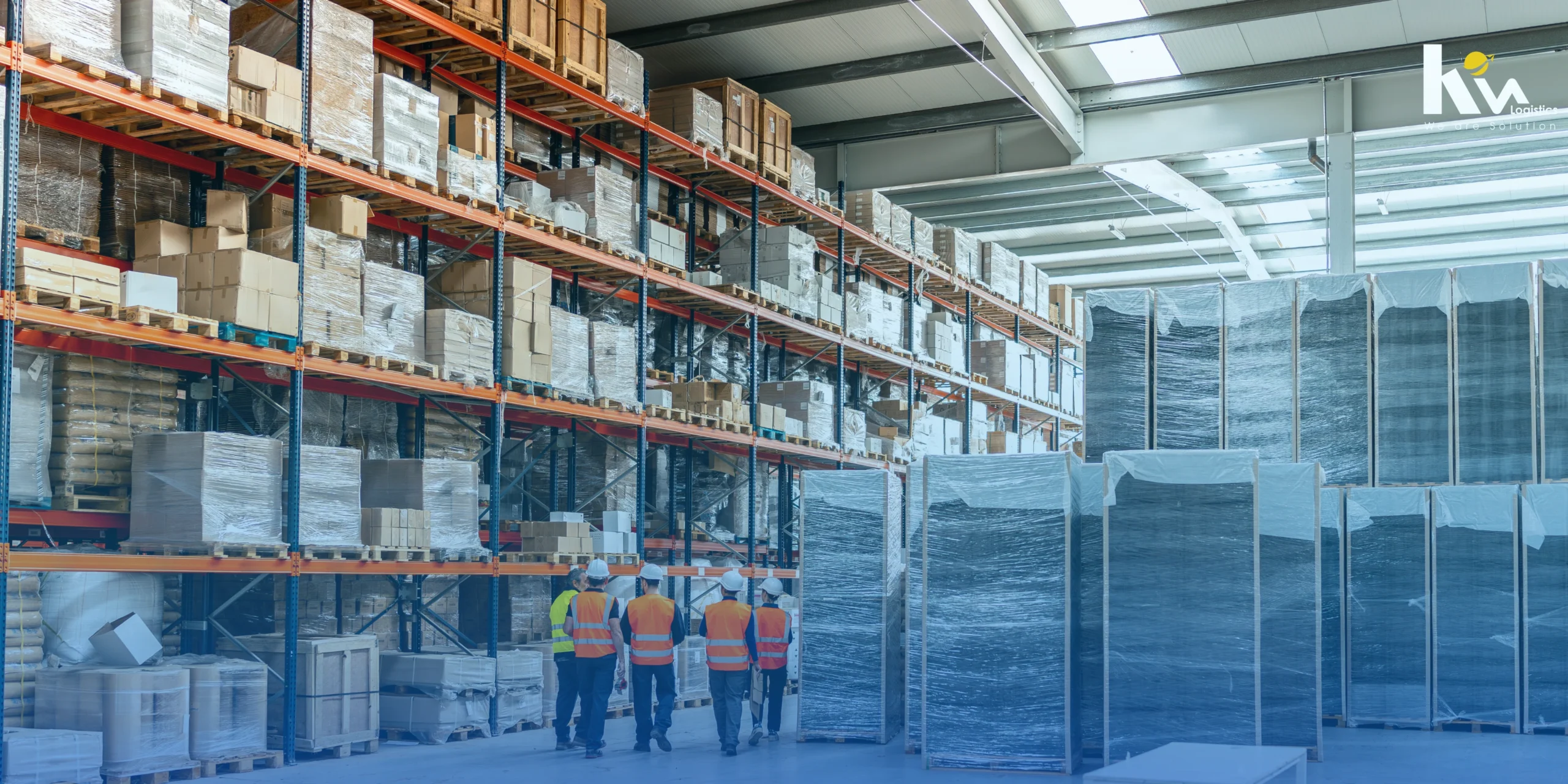
- warehousing,
- seaports,
- shipping lines,
- customs checkpoints,
- overseas agents,
- and final delivery providers.
Freight forwarders connect all these parties together to ensure seamless cargo movement.
The Role of Freight Forwarders in Modern Logistics
Optimizing Logistics Costs
A forwarder with a strong global network often provides:
- competitive freight rates,
- stable carrier allocations,
- multiple routing options,
- overseas agent support,
- and flexible handling during peak seasons.
This is especially valuable for shipments moving to:
- the United States,
- the Middle East,
- India,
- Africa,
- and consolidation-heavy markets.
Businesses may also explore:
👉 Why Vietnamese Businesses Are Switching to India Consol Shipping Services
Or:
👉 What Is Consolidation (Consol)? A Smart Shipping Solution for Export Businesses
Reducing Operational Risks
Experienced freight forwarders help businesses:
- review shipping documents,
- advise on Incoterms,
- monitor vessel schedules,
- resolve logistics issues,
- optimize routing,
- and minimize unexpected costs.
This becomes even more important as global supply chains continue to face disruptions and uncertainty.
Businesses can also learn more from:
👉 KVN Logistics News & Insights
Supporting International Market Expansion
When businesses expand into new export markets, freight forwarders do more than just transport cargo.
They also:
- provide logistics consulting,
- support import procedures at destination,
- recommend optimal shipping solutions,
- and assist with market-specific logistics requirements.
For example:
👉 Shipping from Vietnam to the Middle East: Costs, Transit Time & Logistics Solutions
Difference Between Shipping Lines and Freight Forwarders
| Criteria | Shipping Line | Freight Forwarder |
|---|---|---|
| Main Role | Direct cargo transportation | Organizing & coordinating transportation |
| Vessel/Container Ownership | Yes | Not required |
| Logistics Solutions | Limited to own services | Flexible & multimodal |
| Documentation Support | Basic | Advanced |
| Logistics Consulting | Limited | Yes |
| End-to-End Coordination | Limited | Yes |
Simply put:
- Shipping lines operate vessels.
- Freight forwarders manage logistics solutions.
Businesses that still confuse these two roles can explore:
👉 KVN Logistics News
When Should Businesses Work with a Freight Forwarder?
Businesses should consider working with a freight forwarder when they:
- lack import/export experience,
- need to optimize logistics costs,
- ship to multiple international markets,
- handle complex shipping documentation,
- require door-to-door logistics,
- or face difficulties during peak shipping seasons.
For SMEs in particular, freight forwarders help save:
- time,
- internal resources,
- and operational risks.
How to Choose the Right Freight Forwarder
Strong Global Network
A reliable overseas agent network is essential.
Transparent Pricing
Clear quotations with minimal hidden charges.
Industry Experience
Especially for:
- refrigerated cargo,
- garments,
- oversized cargo,
- plastics,
- or hazardous goods.
Problem-Solving Capability
This is where experienced forwarders truly stand out.
Customer Service Quality
Fast response times and proactive shipment tracking are critical.
Freight Forwarding Trends in 2026
The freight forwarding industry is rapidly evolving due to:
- AI & logistics automation,
- Digital Freight Forwarding,
- Green Logistics,
- Cross-border e-commerce,
- Nearshoring & China+1 strategies,
- and global supply chain optimization.
Today, businesses are no longer looking for:
“just a shipping provider”
They are looking for:
“a strategic logistics partner capable of optimizing the entire supply chain.”
Conclusion
Today’s freight forwarders do far more than simply booking cargo space or preparing shipping documents.
They serve as:
- global logistics connectors,
- supply chain partners,
- and strategic solution providers that help businesses reduce costs, minimize risks, and strengthen international competitiveness.
In a constantly changing global trade environment, choosing the right freight forwarder can make a significant difference for import-export businesses.
Related Articles
👉 What Is Consolidation (Consol)?
👉 Shipping from Vietnam to the USA: FCL, LCL & Customs Procedures
👉 Shipping from Vietnam to the Middle East