

What Is a Freight Forwarder?
A freight forwarder is a logistics service provider that organizes, coordinates, and manages the movement of goods on behalf of companies involved in international trade.
In simple terms, a freight forwarder does not always own vessels, aircraft, trucks, containers, or warehouses. Instead, it acts as a key logistics coordinator, working with shipping lines, airlines, trucking companies, warehouses, customs brokers, port operators, and overseas agents to move cargo from origin to destination efficiently.
For B2B businesses, especially importers, exporters, manufacturers, trading companies, and industrial suppliers, a freight forwarder plays an important role in reducing operational pressure, improving shipment visibility, and minimizing risks across the supply chainWhat Does a Freight Forwarder Do in B2B Trade?
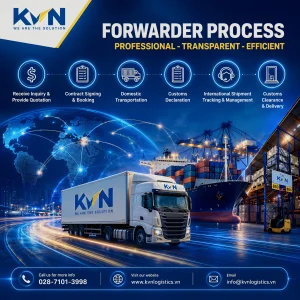
In B2B trade, a freight forwarder does far more than simply book space with a carrier. A professional forwarder is involved in multiple stages of the logistics process, from planning and documentation to shipment tracking and issue resolution.
First, a freight forwarder helps businesses choose the most suitable transportation solution. Depending on cargo type, delivery timeline, budget, Incoterms, destination market, and shipment urgency, the forwarder may recommend ocean freight, air freight, rail freight, road freight, or a multimodal transport solution.
Next, the forwarder works with carriers and logistics partners to book space, confirm schedules, monitor shipment progress, and handle operational changes. This is especially important in B2B trade, where a delayed shipment, missing document, port congestion, or container shortage can directly affect production plans, customer commitments, and international payment schedules.
A freight forwarder also supports the preparation and review of key shipping documents, such as the booking confirmation, bill of lading, airway bill, commercial invoice, packing list, certificate of origin, and other trade-related documents. In international shipping, accurate documentation is critical for smooth customs clearance and timely delivery.
Freight Forwarder vs. Shipping Line: What Is the Difference?
Many businesses that are new to international trade often confuse a freight forwarder with a shipping line. However, their roles are different.
A shipping line owns or operates vessels and provides container space for ocean freight transportation from one port to another.
A freight forwarder, on the other hand, acts as the logistics coordinator between the shipper and different service providers. A forwarder can work with multiple shipping lines, airlines, trucking companies, warehouses, and overseas agents to create a complete logistics solution for each shipment.
For B2B companies, the value of a freight forwarder lies in its ability to provide route consultation, carrier coordination, customs support, document handling, shipment tracking, and problem-solving. Instead of working separately with carriers, ports, warehouses, trucking providers, and destination agents, businesses can manage their logistics process through one professional point of contact.
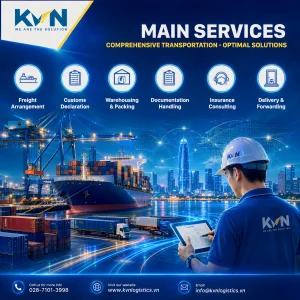
Main Services Provided by a Freight Forwarder
A professional freight forwarder usually provides a wide range of logistics services depending on the needs of each business.
1. International Freight Transportation
International transportation is the core service of a freight forwarder. It includes ocean freight, air freight, rail freight, road freight, and multimodal transportation.
For B2B shipments, the best transport solution is not always the cheapest option. Businesses need to balance cost, transit time, cargo characteristics, delivery requirements, and risk control.
2. Domestic Transportation
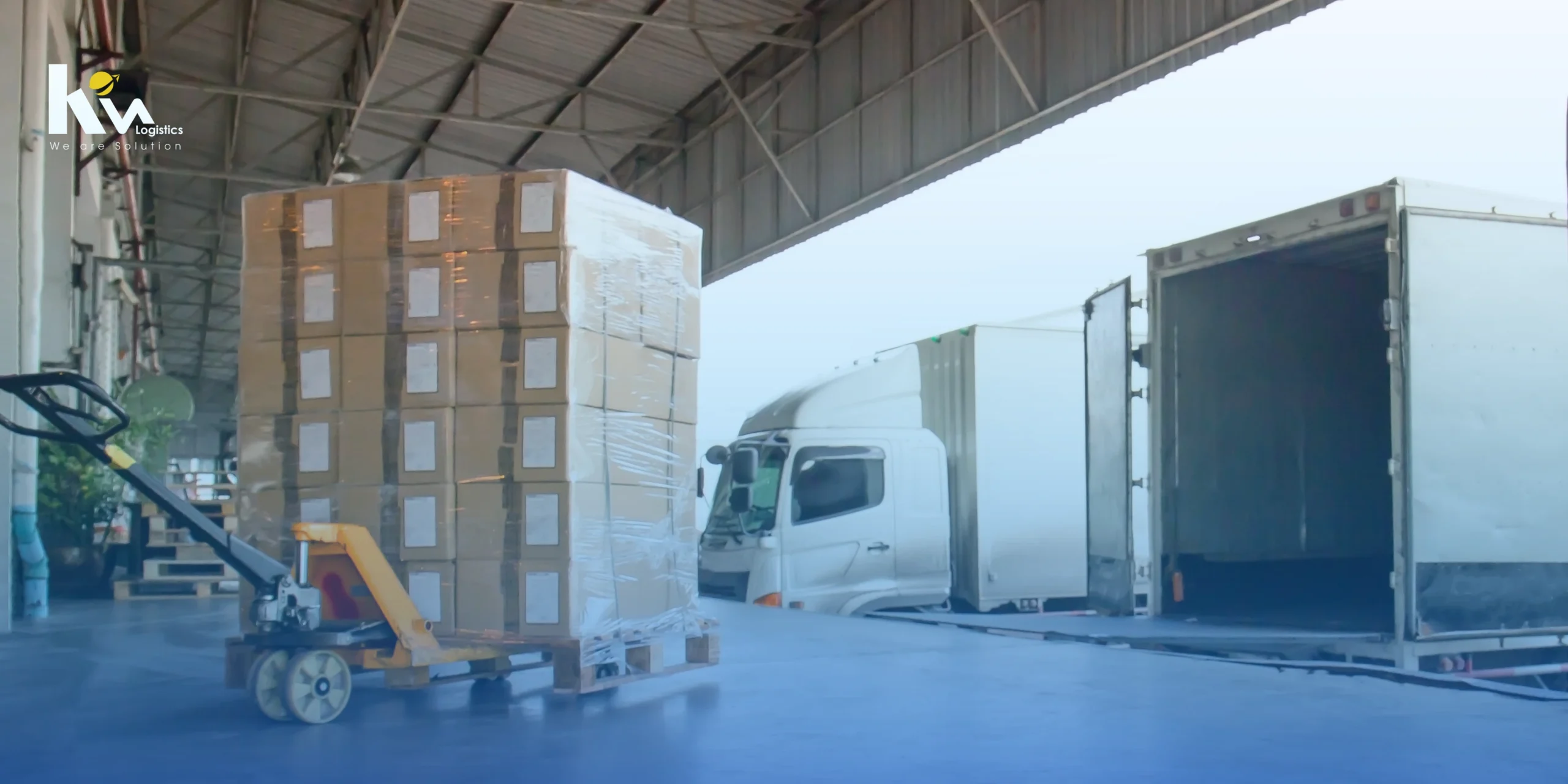
In addition to international shipping, freight forwarders can arrange domestic transportation from factory to port, warehouse to airport, or port to final destination.
This service is especially important for door-to-door, door-to-port, and port-to-door logistics solutions. For manufacturers and exporters, well-planned domestic trucking helps avoid delays, storage charges, port congestion, and missed cut-off times.
3. Customs Clearance Support
Freight forwarders often assist businesses with export and import customs procedures. This may include checking HS codes, reviewing shipping documents, identifying product regulations, estimating duties and taxes, and coordinating with customs authorities when additional information is required.
For B2B shipments, proper customs handling helps reduce the risk of delayed clearance, unexpected costs, and supply chain disruption.
4. Import-Export Documentation
International trade requires accurate and consistent documentation. A small error in shipping documents can lead to customs delays, cargo holds, payment issues, or disputes with overseas partners.
Freight forwarders help businesses review and manage documents such as commercial invoices, packing lists, bills of lading, certificates of origin, insurance certificates, and other required certificates depending on the product and destination market.
5. Shipment Tracking and Issue Resolution
International logistics often involves unexpected situations, such as vessel delays, port congestion, container shortages, customs inspection, document discrepancies, or last-minute changes from the consignee.
An experienced freight forwarder helps businesses monitor shipment status, provide timely updates, and recommend solutions when problems occur. This makes the logistics process more transparent and manageable for B2B companies.
When Does a Business Need a Freight Forwarder?
A business should consider working with a freight forwarder when it starts importing or exporting goods regularly, handling larger shipment volumes, or expanding into new international markets.
For first-time exporters or importers, a freight forwarder can explain the shipping process, advise on the right transport mode, prepare documents, and help avoid common mistakes.
For experienced businesses, a freight forwarder can support cost optimization, compare multiple carrier options, improve delivery planning, and provide better control over logistics performance.
Freight forwarders are especially useful when businesses deal with urgent shipments, complex documentation, multiple destinations, door-to-door delivery, or limited in-house logistics resources.
Benefits of Using a Freight Forwarder in B2B Trade
In B2B trade, logistics is not just a transportation function. It is a key part of business reliability and customer satisfaction. A shipment that arrives on time, with correct documentation and clear communication, can strengthen a company’s reputation with international partners.
The first benefit of using a freight forwarder is time savings. Instead of contacting multiple service providers separately, businesses can work with one logistics partner to coordinate the entire process.
The second benefit is cost optimization. Freight forwarders can compare carriers, routes, schedules, and transport modes to recommend a solution that fits both budget and delivery requirements.
The third benefit is reduced documentation and customs risks. With practical experience across different cargo types and markets, freight forwarders can help businesses identify potential issues before the shipment moves.
Most importantly, a freight forwarder helps businesses become more proactive in supply chain management. When shipping schedules change, documents need revision, or unexpected issues occur, companies have a logistics partner ready to provide updates and solutions.
How to Choose the Right Freight Forwarder
Not every freight forwarder is suitable for every business. When choosing a logistics partner, companies should look beyond freight rates alone.
The first factor is route capability. A good freight forwarder should understand the specific trade lanes that the business uses, such as Asia, Europe, the United States, the Middle East, or cross-border rail routes.
The second factor is solution-oriented consulting. A reliable forwarder should not only send a quotation but also explain the advantages, risks, transit time, and possible additional costs of each shipping option.
The third factor is documentation and customs experience. In B2B trade, documentation errors can directly affect payment, customs clearance, delivery, and business credibility.
The fourth factor is communication and responsiveness. Logistics requires fast and clear coordination. A professional freight forwarder should provide transparent updates, respond quickly, and offer practical solutions when unexpected issues arise.
Finally, businesses should choose a forwarder that can act as a long-term logistics partner, not just a one-time service provider.
Can a Freight Forwarder Replace an In-House Logistics Team?
A freight forwarder does not completely replace an in-house logistics team, but it can become an important extension of the company’s logistics operation.
An internal logistics team understands the company’s production plan, sales terms, customer requirements, and internal processes. Meanwhile, a freight forwarder brings market knowledge, carrier networks, route experience, documentation expertise, and practical problem-solving capabilities.
When both sides work together effectively, businesses can maintain internal control while benefiting from the professional network and international logistics experience of a forwarder.
This model is increasingly suitable for B2B companies operating in a complex and fast-changing global supply chain environment.
KVN Logistics – A Solution-Oriented Logistics Partner for B2B Companies
In today’s international trade environment, businesses need more than a transportation provider. They need a logistics partner that can advise, coordinate, and support the entire shipping process.
KVN Logistics is positioned as a next-generation logistics solution partner, supporting businesses with international freight, domestic transportation, customs clearance, import-export documentation, and supply chain optimization.
With the spirit of “We are the Solution”, KVN Logistics approaches logistics not as a single service, but as a tailored solution for each cargo type, trade lane, delivery requirement, and business objective.
Whether a company is exporting industrial goods, importing raw materials, expanding into new international markets, or looking to optimize logistics costs, choosing the right freight forwarder can make the shipping process more efficient, transparent, and reliable.
Frequently Asked Questions About Freight Forwarders
What is a freight forwarder?
A freight forwarder is a logistics service provider that organizes and coordinates the transportation of goods for businesses involved in international trade. It works with carriers, trucking companies, warehouses, customs brokers, and overseas agents to move cargo from origin to destination.
Is a freight forwarder the same as a shipping line?
No. A shipping line operates vessels and provides container space for ocean freight. A freight forwarder coordinates the entire logistics process and can work with multiple shipping lines and other service providers to find the most suitable solution.
When should a business use a freight forwarder?
A business should use a freight forwarder when it needs support with international shipping, customs clearance, import-export documentation, shipment tracking, or logistics cost optimization.
What services does a freight forwarder provide?
A freight forwarder may provide international freight transportation, domestic trucking, customs clearance support, document consultation, shipment tracking, and issue resolution throughout the logistics process.
How can a business choose the right freight forwarder?
A business should evaluate a freight forwarder based on route expertise, documentation experience, customs capability, communication speed, cost transparency, and ability to provide practical logistics solutions.
Conclusion
A freight forwarder plays a vital role in B2B import-export operations. More than just a party that books transportation space, a forwarder helps businesses manage documents, optimize logistics plans, coordinate with multiple service providers, handle unexpected issues, and improve supply chain stability.
For companies expanding their international trade activities, choosing the right freight forwarder is an important step toward smoother operations, better cost control, and stronger delivery performance.
KVN Logistics is ready to support businesses with flexible, transparent, and solution-oriented logistics services for international trade.
Looking for a reliable logistics solution for your import-export shipments?
Contact KVN Logistics for tailored freight forwarding, customs, and transportation solutions designed for your business needs.