

What are the largest seaports in Vietnam?
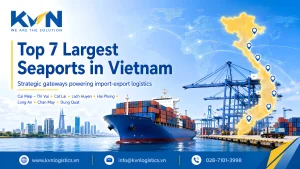
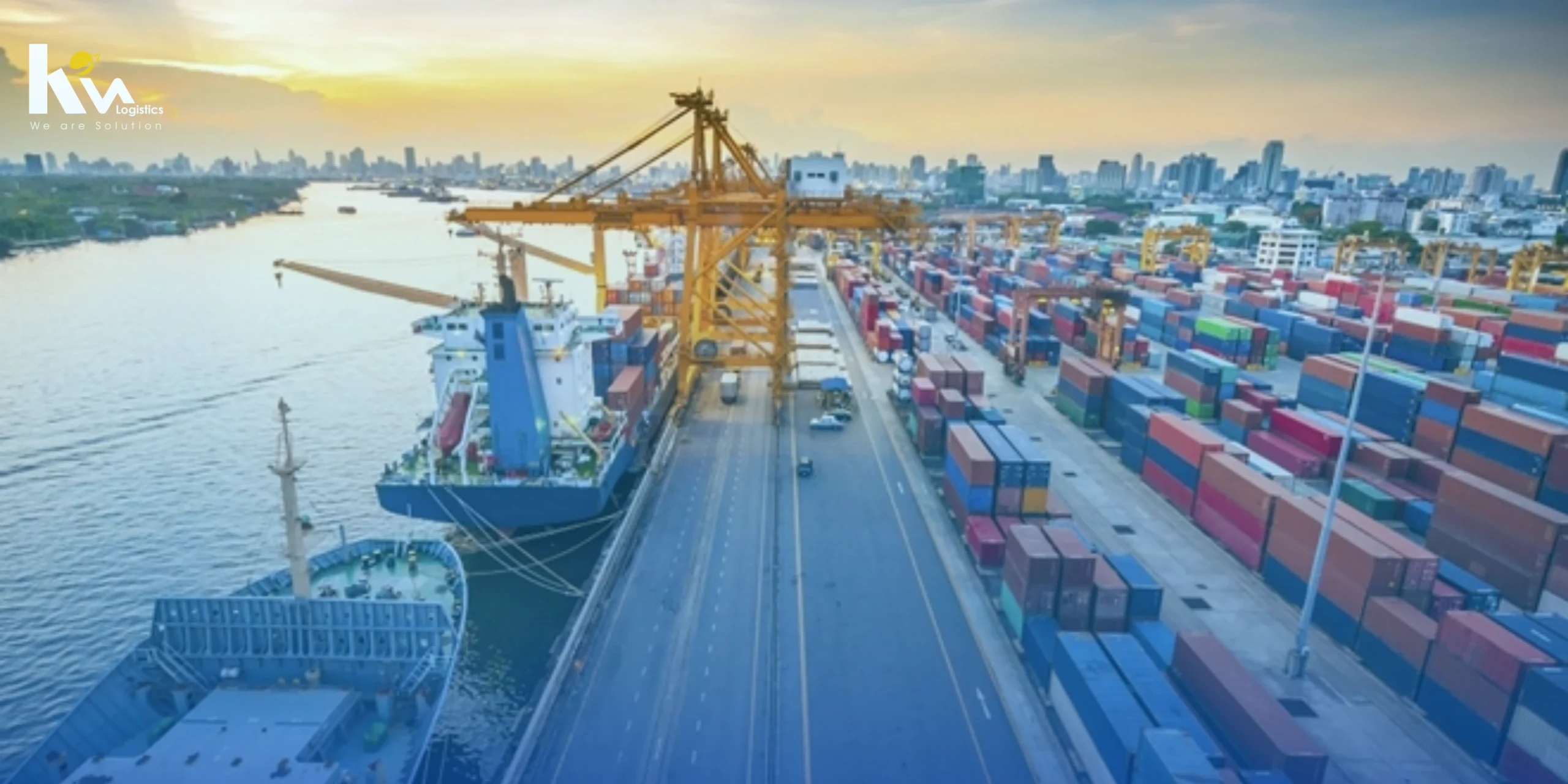
The largest and most strategic seaports in Vietnam today include Cai Mep – Thi Vai Port, Cat Lai Port, Lach Huyen Port, Hai Phong Port, Long An International Port, Chan May Port and Dung Quat Port. These ports form the backbone of Vietnam’s North–Central–South logistics network, supporting container cargo, general cargo, bulk cargo, project cargo, industrial goods and international trade flows.
According to the reference infographic, Vietnam’s strategic port network handled approximately 310 million tonnes of seaport cargo and around 29.5 million TEUs of container throughput in 2024, connecting with more than 90 countries through over 40 seaport areas across Vietnam.
For import–export businesses, understanding the role of each major port is essential for optimizing shipping routes, trucking costs, transit time, vessel schedules and connectivity with industrial zones.
Overview of Vietnam’s Major Seaports
| Port | Region | Key role | Suitable cargo groups |
|---|---|---|---|
| Cai Mep – Thi Vai | Ba Ria – Vung Tau | Deep-sea international gateway | Containers, US/EU-bound cargo, industrial goods |
| Cat Lai | Ho Chi Minh City | Major container and domestic logistics hub | Containerized cargo, consumer goods, fast-moving trade |
| Lach Huyen | Hai Phong | Northern deep-water export gateway | Electronics, machinery, manufactured exports |
| Hai Phong | Hai Phong | Traditional port and feeder hub | General cargo, containers, industrial cargo |
| Long An International Port | Long An | Mekong Delta and inland logistics gateway | Agricultural products, consumer goods, light industry cargo |
| Chan May | Thua Thien Hue | Central Vietnam logistics gateway | Central region cargo, industrial zone cargo |
| Dung Quat | Quang Ngai | Industrial, energy and bulk cargo hub | Bulk cargo, liquid cargo, heavy industry, project cargo |
1. Cai Mep – Thi Vai Port: Vietnam’s Strategic Deep-Sea Gateway
Cai Mep – Thi Vai Port is one of the most important seaport complexes in Vietnam, especially for containerized exports to long-haul markets such as the United States, Europe and Northeast Asia. Its greatest advantage lies in its deep-water capability, allowing it to receive large mother vessels and reduce dependence on transshipment through regional hubs such as Singapore or Hong Kong.
Cai Mep – Thi Vai is highly suitable for businesses located in Ba Ria – Vung Tau, Dong Nai, Binh Duong, Ho Chi Minh City and the wider Southeast region. It is often the preferred option for exporters that need more direct international routes, improved transit time and reliable capacity for high-volume container shipments.
Logistics advantages
Cai Mep – Thi Vai offers strong deep-sea capability, direct international services and close connectivity with major industrial zones. For export shipments that require careful control of vessel schedules, cut-off times and total logistics costs, this port should be one of the first options to compare.
2. Cat Lai Port: Vietnam’s Major Container Port in Ho Chi Minh City
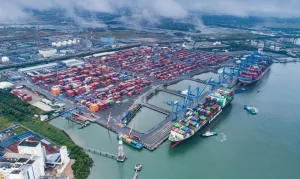
Cat Lai Port is one of the busiest container ports in Vietnam and plays a critical role as the main import–export gateway for Ho Chi Minh City and the Southern Key Economic Region. With its proximity to manufacturing, commercial and warehousing centers, Cat Lai is especially suitable for businesses that require fast cargo handling, frequent shipment cycles and convenient domestic connectivity.
However, because Cat Lai is located within a major urban area, businesses may also need to consider traffic pressure, waiting time, inland transportation costs and congestion risks during peak seasons.
Suitable for
Cat Lai is suitable for containerized cargo, consumer goods, commercial shipments and regular import–export flows that need fast connectivity with Ho Chi Minh City, Binh Duong, Dong Nai and Long An.
3. Lach Huyen Port: The Key Deep-Water Port in Northern Vietnam
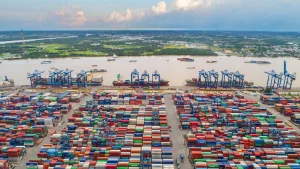
Lach Huyen Port is a strategic deep-water port in Hai Phong and is playing an increasingly important role in Northern Vietnam’s import–export network. With the ability to accommodate larger container vessels compared with many traditional terminals, Lach Huyen helps Northern Vietnam strengthen direct connectivity with international shipping routes.
This port is particularly important for businesses located in Hai Phong, Hai Duong, Bac Ninh, Bac Giang, Hung Yen, Hanoi, Thai Nguyen and other northern industrial zones specializing in electronics, components, machinery and textiles.
Key point
As Northern Vietnam continues to attract manufacturing FDI, Lach Huyen is no longer just a seaport. It has become a vital link in the supply chains of electronics, equipment, components, industrial goods and high-value exports.
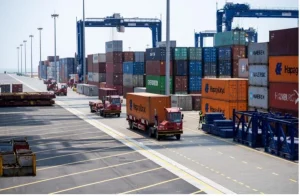
4. Hai Phong Port: The Traditional Seaport Hub of Northern Vietnam
Alongside Lach Huyen, Hai Phong Port remains one of the most established and important maritime gateways in Northern Vietnam. It serves a wide range of cargo types, including containers, general cargo and feeder shipments, while maintaining strong connectivity with road, rail, ICD and industrial networks.
Hai Phong continues to be a practical option for businesses that need flexible connections between traditional port operations, feeder services, inland depots and domestic transportation.
Suitable for
Hai Phong Port is suitable for Northern import–export businesses that require flexible routing, feeder services, general cargo handling and close connection with industrial zones in the North.
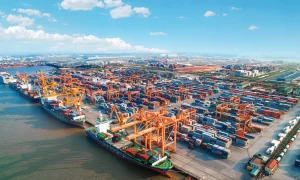
5. Long An International Port: A Rising Logistics Gateway for the Mekong Region
Long An International Port is emerging as an important logistics gateway for the Mekong Delta and the wider Ho Chi Minh City region. Its advantage lies in its strategic position between the Mekong Delta, Long An, Ho Chi Minh City and inland transportation routes.
For exporters of agricultural products, food, consumer goods, packaging materials and light industrial cargo, Long An International Port can help reduce pressure on Ho Chi Minh City-based ports while providing additional options for warehousing, cargo consolidation and distribution.
Logistics role
Long An International Port reflects the growing role of satellite logistics hubs in Vietnam. Instead of viewing a port only as a loading and unloading point, businesses can use it as part of a wider solution for warehousing, inland transportation, distribution and cost optimization.
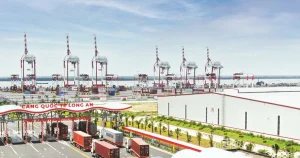
6. Chan May Port: A Logistics Gateway for Central Vietnam
Chan May Port, located in Thua Thien Hue, serves as an important gateway connecting Central Vietnam with international trade routes and the East–West Economic Corridor. While its container scale is not comparable to Cai Mep, Cat Lai or Hai Phong, Chan May remains important for industrial zone cargo, general cargo, project cargo and regional logistics activities in Central Vietnam.
This port is suitable for businesses in Hue, Da Nang, Quang Tri, Quang Nam and surrounding areas that want to optimize inland transportation distance instead of moving all cargo to major ports in the North or South.
Practical value
For Central Vietnam-based businesses, choosing a closer port can help reduce trucking costs, shorten inland lead time and improve control over delivery planning.
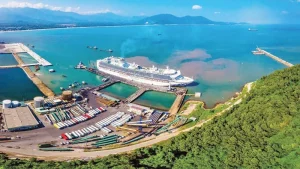
7. Dung Quat Port: An Industrial Port for Bulk, Energy and Heavy Cargo
Dung Quat Port in Quang Ngai plays a specialized role in Vietnam’s port system. Unlike major container ports, Dung Quat is known for bulk cargo, liquid cargo, energy cargo, equipment and industrial goods serving heavy industries.
The port is closely linked with sectors such as petrochemicals, steel, energy, industrial equipment and project cargo. For oversized, overweight or specialized shipments, Dung Quat should be evaluated based on berth capability, lifting equipment, channel conditions and onward transportation solutions.
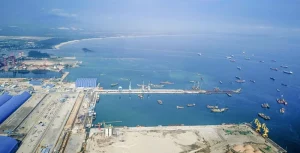
Which Seaport Should Import–Export Businesses Choose?
There is no single “best” port for every business. The right seaport depends on multiple factors, including factory location, cargo type, trade lane, vessel schedule, trucking cost, cut-off time, documentation requirements and congestion risk.
For exports from Southern Vietnam to the United States or Europe, Cai Mep – Thi Vai is often a priority option thanks to its deep-sea capability and long-haul services. For cargo that needs fast handling around Ho Chi Minh City, Cat Lai remains highly important. For Northern Vietnam, Lach Huyen and Hai Phong are key gateways. For Central Vietnam, Chan May and Dung Quat help optimize routes based on cargo type and production location. For the Mekong region, Long An International Port is worth considering as a way to reduce inland transportation pressure toward Ho Chi Minh City.
How KVN Logistics Helps Businesses Optimize Port Selection
KVN Logistics supports businesses not only with booking or container transportation, but also with practical port selection based on each shipment’s real operating conditions.
For each shipment, KVN Logistics can support:
1. Selecting the right port of loading or discharge
KVN Logistics compares options such as Cat Lai, Cai Mep – Thi Vai, Hai Phong, Lach Huyen and regional ports based on factory location, inland transportation cost and vessel schedule.
2. Optimizing total logistics cost
Instead of looking only at ocean freight, KVN Logistics considers trucking, local charges, demurrage, detention, storage, waiting time and potential operational risks.
3. Connecting multimodal logistics solutions
KVN Logistics combines sea freight, road transport, rail freight, warehousing, ICD connection and customs clearance to create more flexible logistics solutions.
4. Managing vessel schedule and port congestion risks
KVN Logistics monitors cut-off time, closing time, port conditions, peak seasons and shipping route changes to help businesses plan shipments more proactively.
Conclusion
The largest seaports in Vietnam should not be viewed only by throughput or berth size. For import–export businesses, the more important question is: which port is most suitable for the shipment route, cargo type, factory location and cost target?
As Vietnam’s seaport and logistics network continues to expand, choosing the right port and the right logistics solution can help businesses reduce costs, improve delivery performance and strengthen competitiveness in international trade.
KVN Logistics – We are the Solution.
Contact KVN Logistics for sea freight, trucking, customs clearance, warehousing and port route optimization solutions for your import–export shipments.
FAQ
What is the largest seaport in Vietnam?
If measured by deep-sea capability and international gateway role, Cai Mep – Thi Vai is one of the most important seaport complexes in Vietnam. If measured by container handling and its role in Ho Chi Minh City, Cat Lai is one of the largest container ports in the country.
What are the major container ports in Vietnam?
Major container ports in Vietnam include Cat Lai, Cai Mep – Thi Vai, Lach Huyen and Hai Phong. These ports play key roles in connecting Vietnam’s manufacturing regions with global trade routes.
What are the main deep-water ports in Vietnam?
Cai Mep – Thi Vai in Ba Ria – Vung Tau and Lach Huyen in Hai Phong are two of Vietnam’s most important deep-water port areas. They can accommodate larger vessels and support international container services.
Should businesses in Southern Vietnam choose Cat Lai or Cai Mep – Thi Vai?
Cat Lai is suitable for cargo that requires fast handling around Ho Chi Minh City. Cai Mep – Thi Vai is often more suitable for long-haul exports to the United States, Europe and other major international markets.
Should businesses in Northern Vietnam choose Hai Phong or Lach Huyen?
Hai Phong is suitable for feeder cargo, general cargo and flexible domestic connectivity. Lach Huyen is better positioned for larger vessels, direct international routes and export cargo from Northern industrial zones.
Does KVN Logistics support shipments through major ports in Vietnam?
Yes. KVN Logistics supports sea freight, trucking, customs clearance, warehousing, booking and port route consulting through Vietnam’s major seaports.