

Solar Logistics Goes Beyond Shipping Solar Panels
As renewable energy, solar power and energy storage projects continue to develop in Vietnam, the supply chain behind these projects is becoming increasingly diverse.
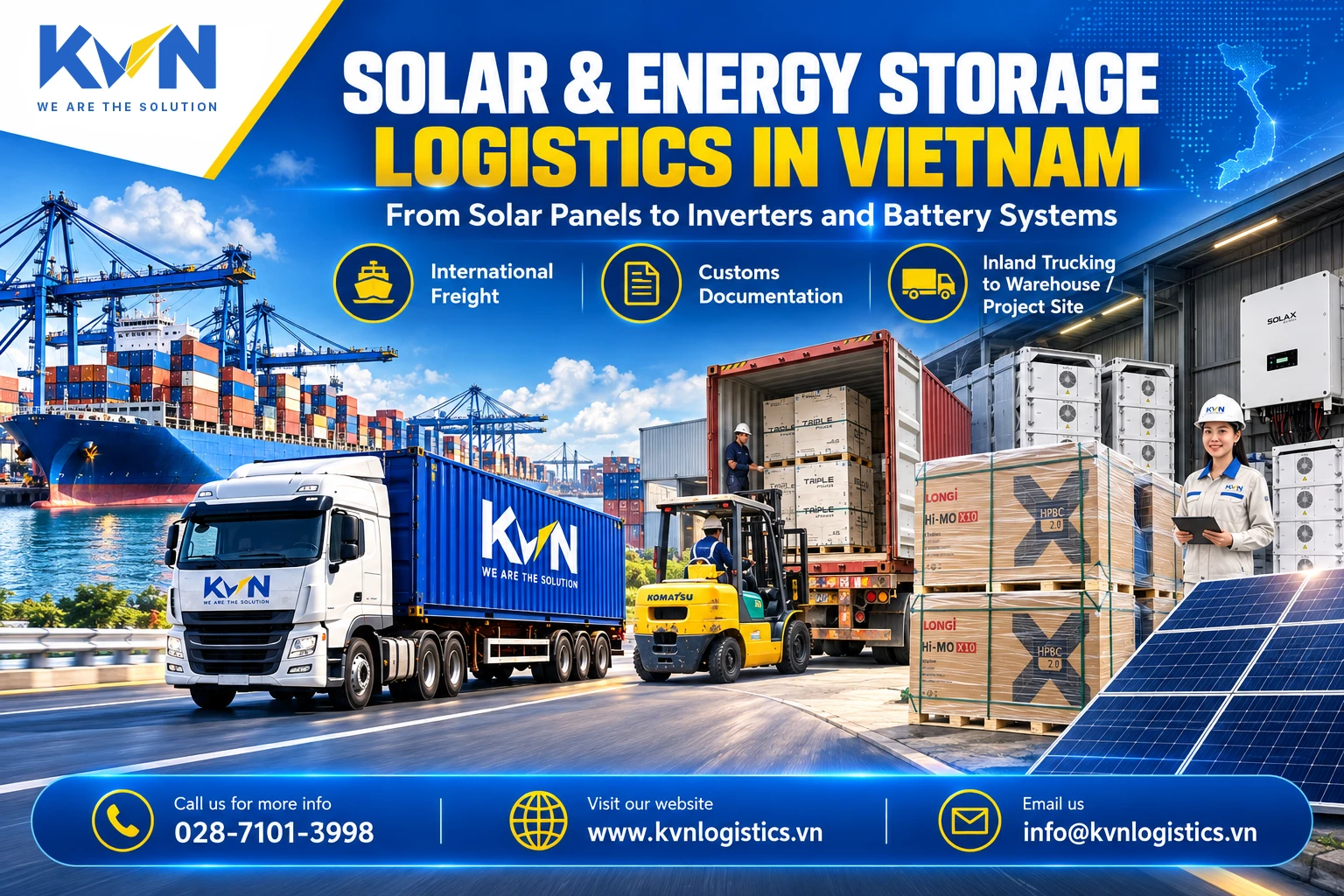
A solar-related shipment may include much more than photovoltaic modules. Depending on the project, cargo can include solar panels, inverters, battery modules, Battery Energy Storage Systems (BESS/ESS), electrical equipment, control systems and other supporting components.
This makes logistics significantly more complex.
For importers, EPC contractors, distributors and project developers, the challenge is not simply moving a container from one port to another. Multiple stages need to be coordinated as part of the same logistics flow:
Supplier → International Freight → Customs → Port → Inland Trucking → Warehouse / Project Site
Through hands-on experience with renewable energy equipment shipments, KVN Logistics continues to develop its capabilities in Solar & Green Energy Logistics, supporting businesses from pre-shipment planning and documentation to international transportation and final delivery in Vietnam.
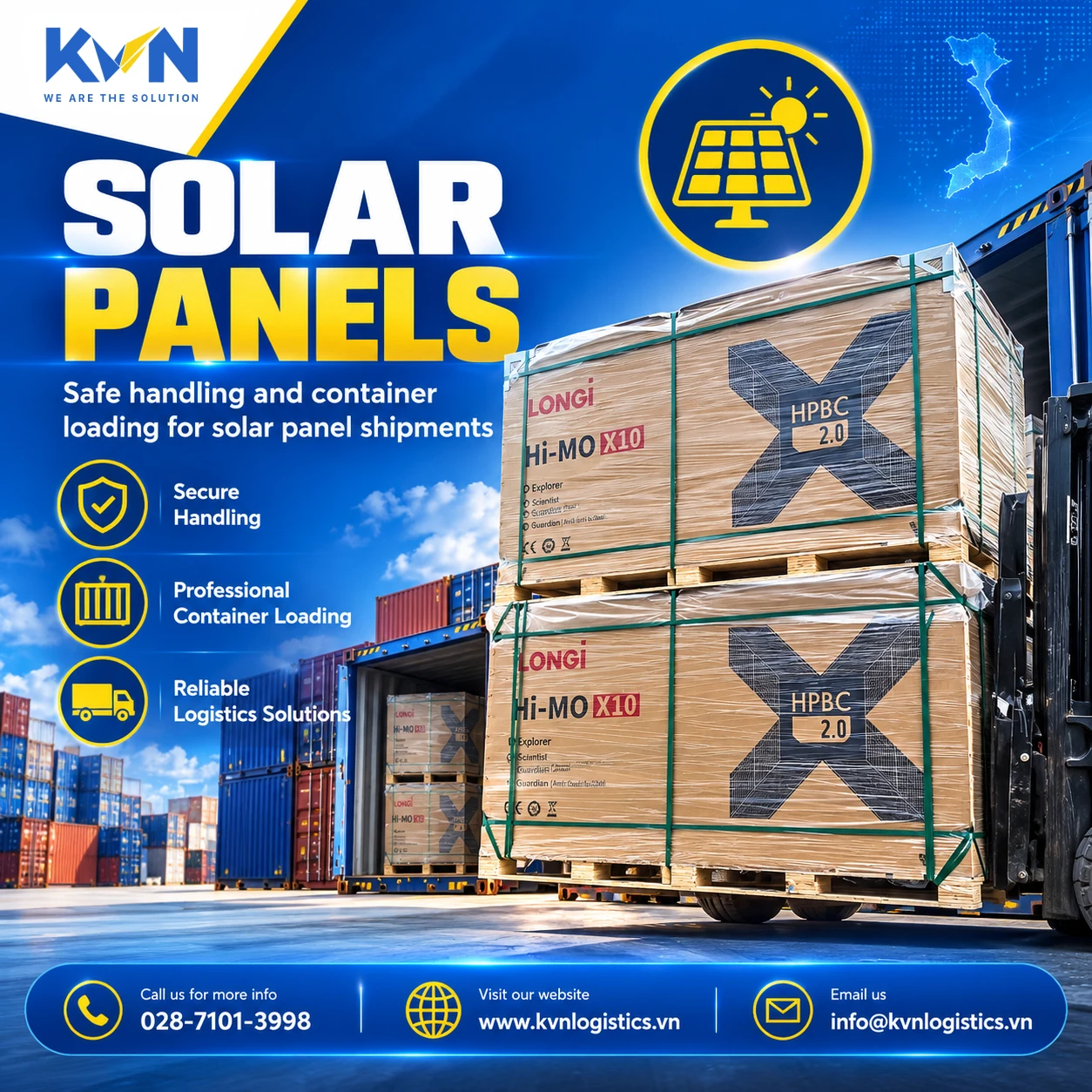
Real Shipments: Solar & Energy Storage Equipment Handled by KVN Logistics
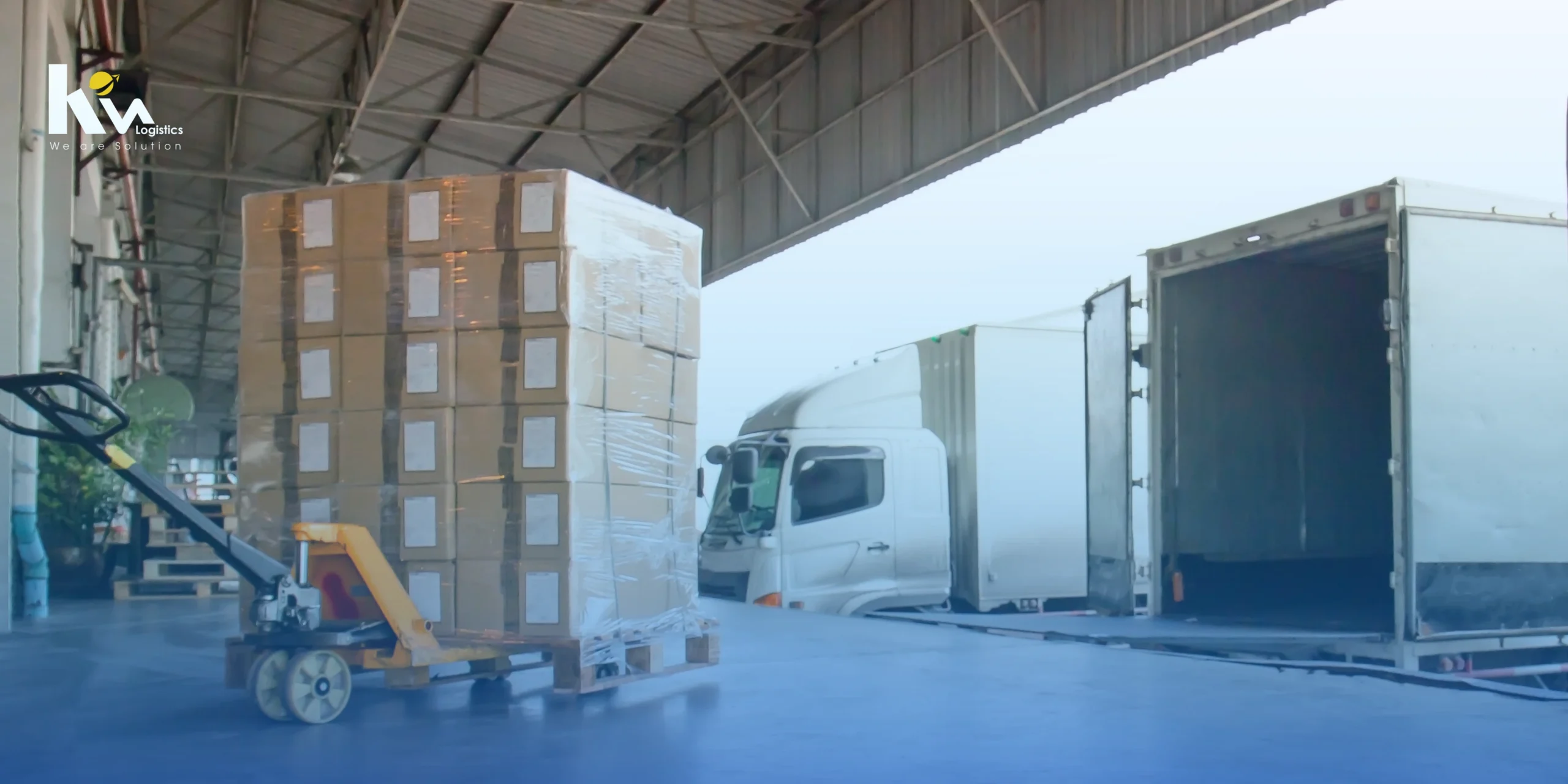
The images featured in this article show part of KVN Logistics’ actual handling activities for renewable energy equipment shipments.
The cargo is packed and palletized for container transportation and includes equipment used across solar power and energy storage applications.
For this type of cargo, logistics planning should begin before the shipment leaves the supplier.
Package dimensions, gross weight, pallet configuration, number of packages, container loading arrangement and the technical characteristics of each product can affect container selection, international freight arrangements, customs procedures and inland delivery.
This is why KVN approaches renewable energy shipments as an integrated logistics process, rather than treating freight, customs and trucking as separate activities.
How Does KVN Logistics Handle Renewable Energy Equipment Shipments?
1. Pre-Shipment Cargo Assessment
Before booking, the shipment should first be assessed based on its actual cargo characteristics.
Key information normally includes:
- Commodity and product description
- Model and technical catalogue
- Proposed HS Code
- Number of packages
- Dimensions and gross weight
- Packaging method
- Country of origin
- Incoterms
- Port of Loading (POL)
- Port of Discharge (POD)
- Final delivery location
- Any special handling or transportation requirements
Reviewing these details in advance helps businesses identify potential issues before the cargo arrives in Vietnam.
This is particularly important for renewable energy equipment because different components within the same project may be subject to different classifications, documentation requirements or transportation conditions.
For solar panels specifically, businesses can refer to KVN Logistics’ detailed guide on solar panel import procedures in Vietnam, which covers HS Code considerations, import documentation, customs procedures and the general import process. KVN Logistics
2. International Freight Planning
Once the cargo information has been reviewed, the next step is to determine a suitable international transportation plan.
Depending on shipment volume, cargo characteristics, schedule and destination, KVN Logistics can assess factors such as:
FCL or LCL → Container Type → Carrier / Routing → Sailing Schedule → Cut-Off → Customs → Inland Delivery
For containerized renewable energy equipment, ocean freight should not be planned independently from customs clearance and inland trucking.
KVN’s operating model therefore focuses on connecting three core capabilities:
Sea Freight + Inland Trucking + Customs Documentation
For more information about ocean transportation, businesses can explore KVN Logistics’ Sea Freight solutions, covering FCL, LCL and project cargo. KVN Logistics
KVN has also published a detailed guide to the Sea Freight Booking Process: Cut-Off, SI, VGM & CY/CFS, explaining how booking, documentation, container handling and operational deadlines need to work under one coordinated timeline. KVN Logistics
3. Customs & Documentation Control
Customs and documentation are particularly important when handling renewable energy equipment.
A solar power or energy storage system may consist of multiple types of equipment. Therefore, businesses should not automatically assume that every item within a shipment falls under the same HS classification or import requirements.
Depending on the actual shipment, documentation may include:
- Commercial Invoice
- Packing List
- Bill of Lading
- Sales Contract
- Certificate of Origin, where applicable
- Product catalogue
- Technical specifications
- Other technical or regulatory documentation where required
Product descriptions, models, functions and technical documents should be reviewed against commercial documents before customs declaration.
This helps reduce the risk of inconsistencies between the actual cargo and the information presented in the import documentation.
Through its Customs & Docs capability, KVN Logistics coordinates customs documentation with freight and inland transportation so that these activities can be managed within the same shipment plan. KVN’s current service portfolio includes customs declaration and documentation alongside Sea Freight and Inland Trucking. KVN Logistics
4. Cargo Packing, Securing and Transportation Safety
Solar panels, inverters, battery systems and other renewable energy equipment can differ significantly in value, dimensions, weight and handling requirements.
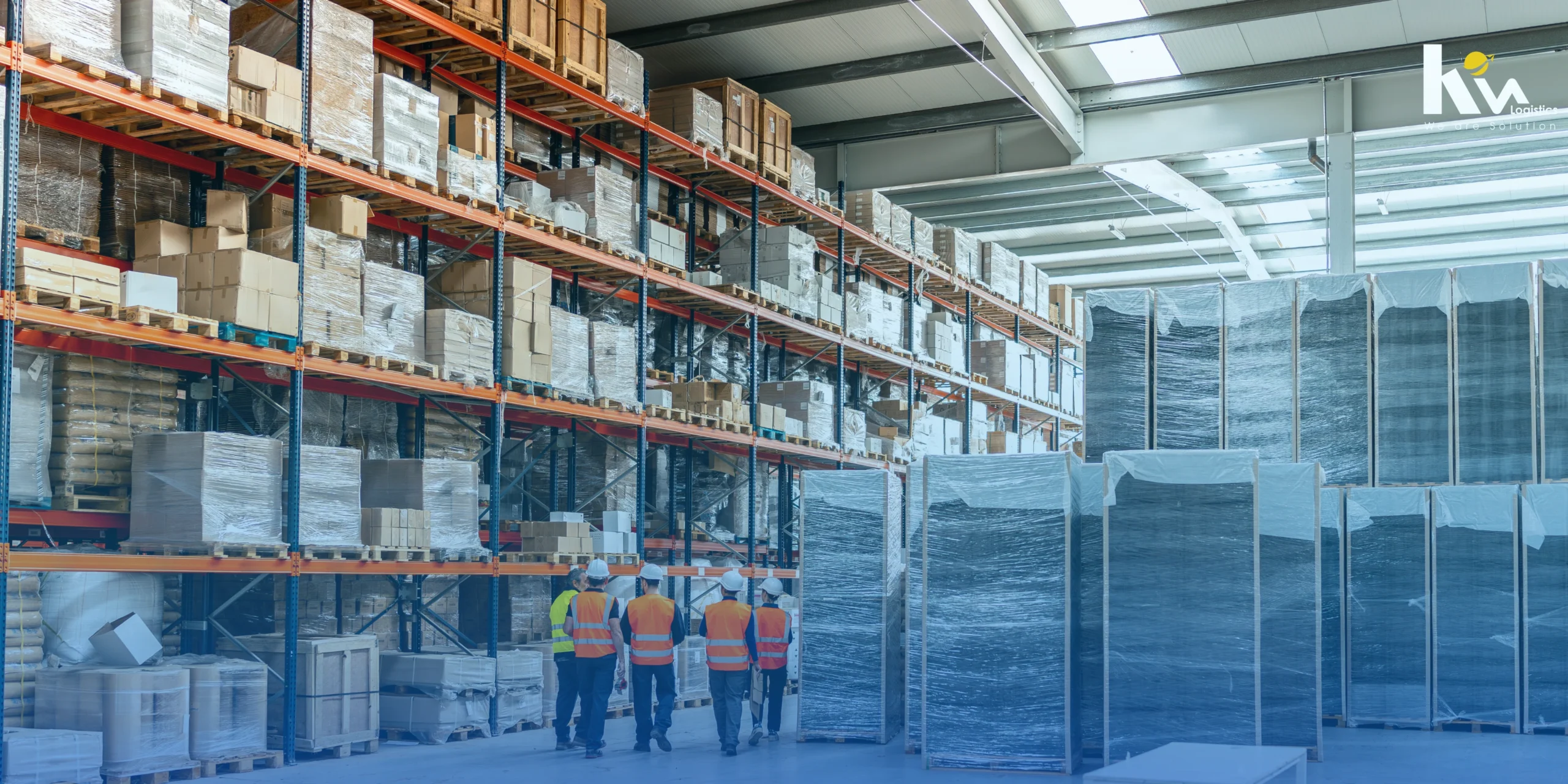
For palletized or large equipment, attention should be given to the entire physical cargo flow:
Packaging → Palletization → Securing → Container Loading → International Transit → Unloading
Cargo should be positioned and secured appropriately to minimize movement during transportation while also considering forklift access and unloading conditions at the destination.
Battery-related cargo requires additional attention.
For battery modules, energy storage systems or equipment containing batteries, transportation requirements should be assessed according to the actual product configuration and supporting technical documentation.
Information such as battery chemistry, configuration, SDS/MSDS, applicable test documentation and shipment specifications may be relevant when determining the appropriate transportation arrangement.
Therefore, KVN Logistics treats cargo assessment and loading preparation as part of the overall logistics risk-control process, rather than simply as a container loading activity.
5. Connecting Port, Warehouse and Project Site
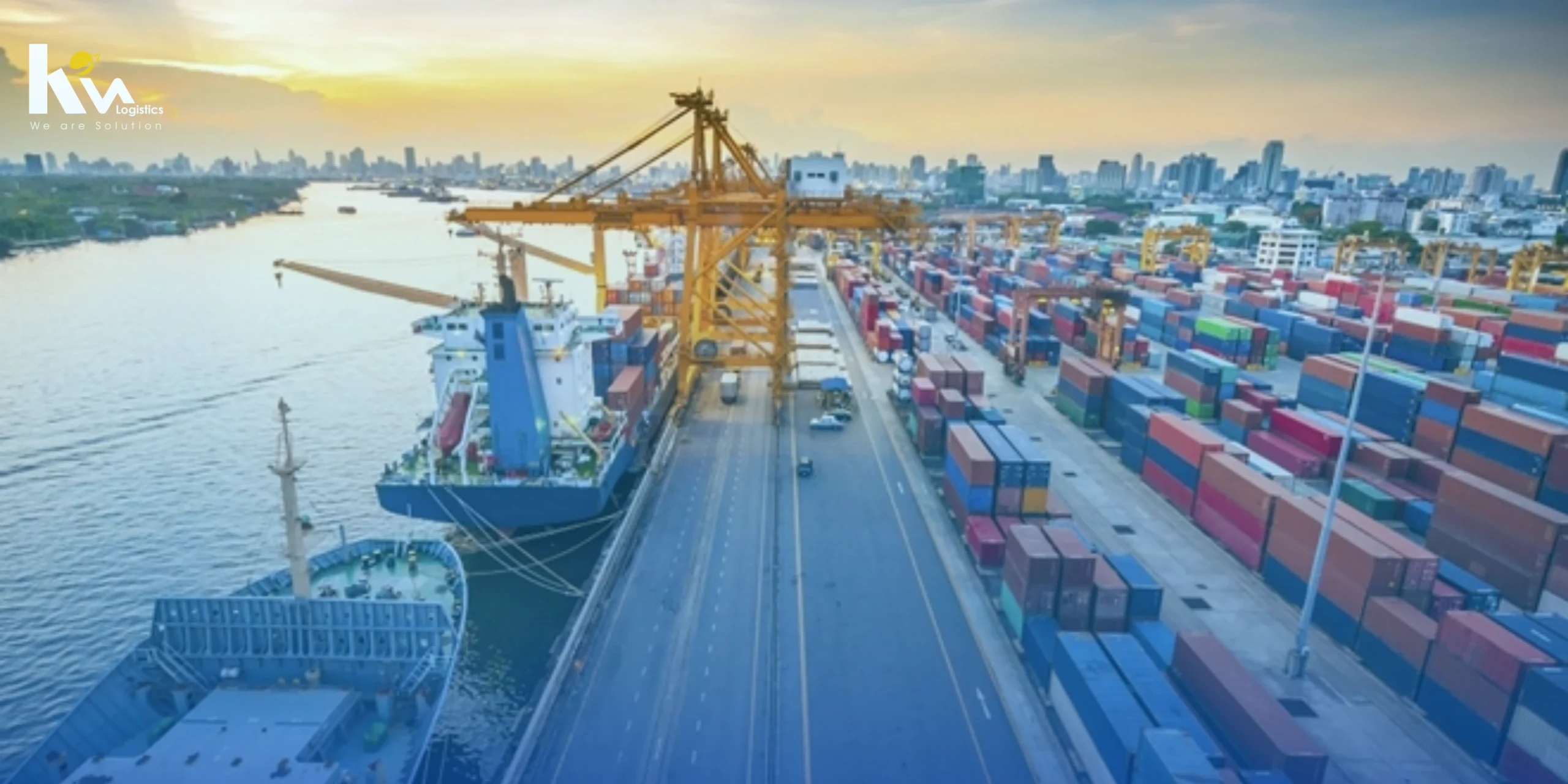
International freight does not end when the container reaches a Vietnamese port.
After the required import and customs procedures have been completed, the cargo still needs to move from the port to a warehouse, factory, installation site or project location.
This final domestic leg needs to be coordinated with the shipment timeline:
ETA → Customs → Container Release → Trucking → Warehouse / Project Delivery
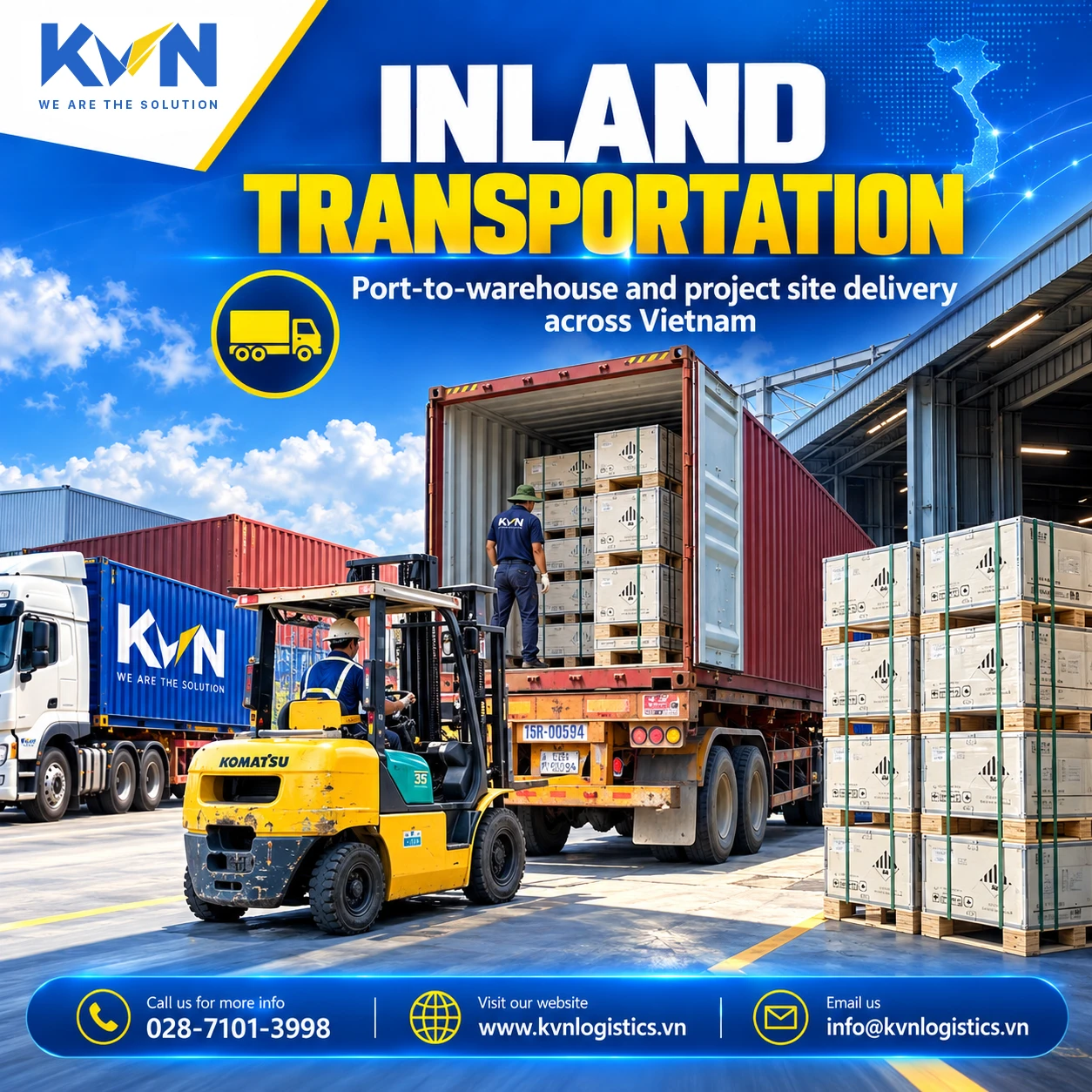
KVN Logistics’ Inland Trucking service connects ports, warehouses and industrial areas as part of its broader logistics offering. KVN Logistics
By planning trucking alongside ocean freight and customs procedures, businesses can better coordinate vehicle arrangements with cargo availability and receiving conditions at the final destination.
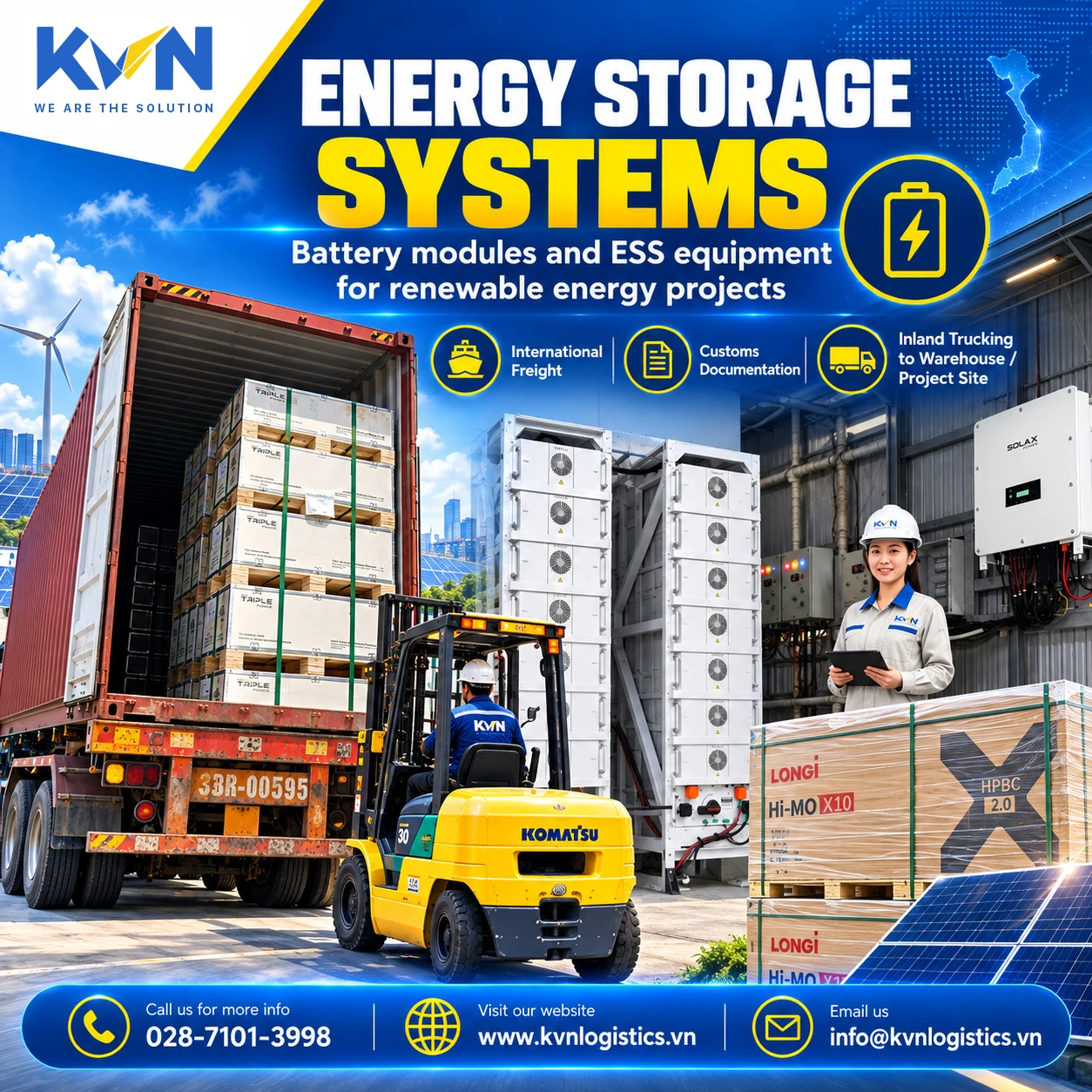
From Solar Panels to the Wider Renewable Energy Supply Chain
One important development in renewable energy logistics is the increasing diversity of equipment moving through the supply chain.
The cargo is no longer limited to photovoltaic modules.
A renewable energy project may involve:
Solar Panels → Inverters → Battery Modules / BESS → Electrical Equipment → Supporting Equipment
Each cargo category may require different considerations for packaging, documentation, customs classification, transportation and final delivery.
This creates demand for logistics providers that understand not only how to move the cargo, but also what is being moved and how each stage of the shipment connects.
Through actual shipment handling, KVN Logistics continues to build operational experience across solar, energy storage and industrial equipment cargo.
Green Energy Logistics: Supporting Vietnam’s Evolving Supply Chain
Renewable energy is increasingly connected with broader manufacturing, infrastructure and industrial supply chains.
For logistics providers, supporting this transition means going beyond conventional port-to-port transportation.
KVN Logistics focuses on coordinating:
International Freight + Customs Documentation + Inland Trucking + Operational Control
This integrated approach is particularly relevant for businesses importing solar panels, inverters, battery storage equipment and other renewable energy components into Vietnam.
Instead of waiting until cargo arrives at the port to address documentation or delivery issues, logistics requirements can be assessed earlier — ideally before booking and cargo departure.
This is the direction behind KVN Logistics’ development of its Green Energy & Industrial Equipment Logistics capabilities: understanding the cargo, planning the process and coordinating the key stages of transportation.
KVN’s broader Sea Freight operations currently cover FCL, LCL, Master Consolidation, bulk cargo and project cargo, supported by inland transportation and customs documentation coordination. KVN Logistics
Planning a Solar or Energy Storage Shipment to Vietnam?
Businesses preparing to import renewable energy equipment can provide KVN Logistics with the following information:
Commodity + Catalogue / Model + Packing List + POL / POD + Incoterms + Cargo Ready Date + Delivery Address
Based on the actual shipment details, KVN Logistics can assess the transportation arrangement, documentation requirements and logistics plan for the cargo.
Whether the shipment involves solar panels, inverters, battery storage equipment or other renewable energy components, early coordination can help businesses better manage the journey from supplier to final delivery.
KVN Logistics – We are the Solution.
International Freight | Inland Trucking | Customs Documentation