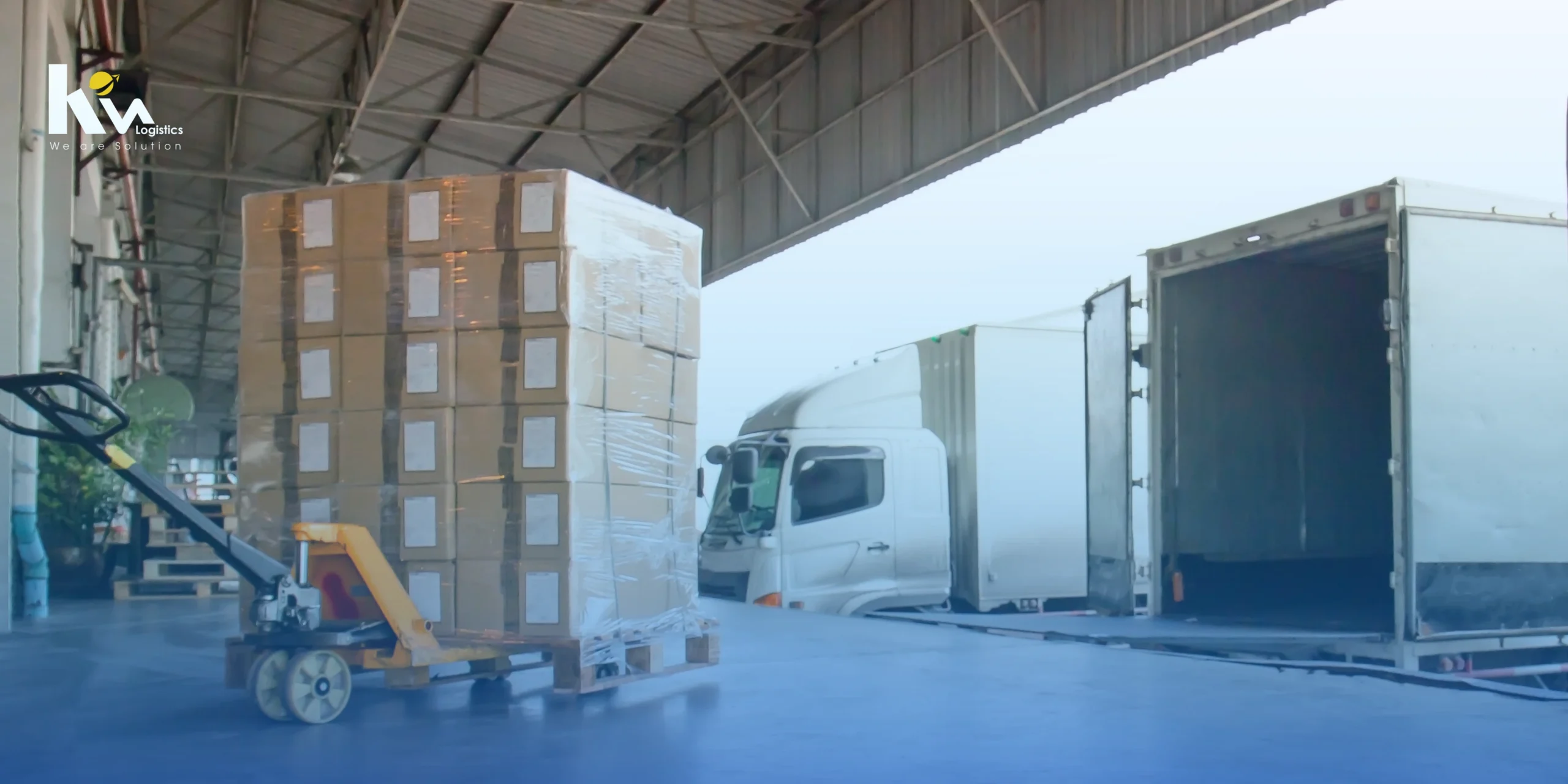


Exporting packaging products, especially FIBC bags, bulk bags and jumbo bags, to the United States is not only about finding a competitive ocean freight rate. For this cargo group, businesses need to manage the entire logistics process carefully — from booking, container selection, cargo loading plan, export documents, ISF coordination, to shipment tracking and delivery arrangements at destination.
Unlike heavy industrial cargo, packaging and FIBC products are often lightweight but bulky. They take up significant container space before reaching the maximum container payload. Without proper planning for packing, carton size, bale arrangement, pallet loading or container utilization, logistics cost per unit can increase quickly.
For USA-bound shipments, exporters also need to pay close attention to documentation and pre-loading filing requirements. Importer Security Filing, commonly known as ISF or 10+2, must be submitted before the cargo is loaded on board the vessel bound for the United States.
Therefore, when shipping packaging and FIBC cargo to the USA, an effective logistics plan should answer three key questions: how to secure the right booking, how to optimize container loading, and how to prepare documents correctly to reduce risks at destination.
What Makes Packaging and FIBC Cargo Different in Logistics?
Packaging and FIBC cargo may include finished bulk bags, PP woven bags, liners, PP fabric, packaging accessories and other industrial packaging products. These products are widely used in agriculture, chemicals, plastics, minerals, food ingredients, construction materials and industrial manufacturing.
From a logistics perspective, this cargo group has several important characteristics.
First, packaging and FIBC cargo usually occupies more CBM than actual weight. This means exporters need to pay close attention to compression, carton dimensions, bale packing, palletizing and loading patterns to maximize container utilization.
Second, packaging products need to be protected from moisture, dust, odor, torn outer packaging and deformation during transit. If the container is not clean, has chemical smell, shows water leakage or has a damp floor, the cargo quality may be affected before it reaches the buyer.
Third, if wooden pallets, wooden crates or wooden dunnage are used, exporters must check whether the wood packaging material complies with ISPM 15 requirements. For shipments entering the United States, untreated or improperly marked wood packaging material may create inspection, delay or additional handling risks.
That is why FIBC cargo to the USA should not be treated as a standard shipment. It requires a cargo-specific logistics plan from the beginning, especially when the shipment is linked to production schedules, buyer delivery windows or distribution plans in the US market.
Booking FIBC Cargo to the USA: What Information Should Exporters Prepare?
Booking is the first step, but it directly affects the entire shipment timeline. For USA trade lanes, booking should be arranged early because vessel schedules, space availability, container availability, cut-off times, transshipment plans and surcharges may all influence the final delivery schedule.
Before placing a booking, exporters should prepare the following information:
| Information Group | Details to Prepare |
|---|---|
| Cargo information | Product name, estimated HS code, material, quantity, number of packages |
| Packing details | Carton, bale, pallet, package dimensions, gross weight, net weight, CBM |
| Shipping route | Port of loading in Vietnam, port of discharge in the USA, final delivery address if any |
| Shipping mode | FCL, LCL or door-to-door |
| Trade terms | FOB, CFR, CIF, DAP, DDP or other Incoterms under the contract |
| Required timeline | Cargo ready date, preferred ETD, target ETA |
| Documents | Commercial invoice, packing list, sales contract, B/L instruction, C/O if required |
For large-volume FIBC shipments, FCL is often more suitable because the shipper can control the container condition, reduce cargo-mixing risks and optimize cost per CBM. For small orders, sample shipments or trial shipments, LCL can be a flexible option, but exporters should consider consolidation time, CFS charges and destination handling costs.
KVN Logistics provides Sea Freight solutions for FCL, LCL, master consolidation, bulk cargo and project cargo, supporting different export and import needs by ocean freight.
Suggested internal link:
Learn more: Shipping Goods from Vietnam to the USA: FCL, LCL and Customs Procedures
Which Container Type Is Suitable for Packaging and FIBC Cargo?
For packaging and FIBC shipments, the question is not simply whether to use a 20-foot or 40-foot container. The key question is: which container type can optimize volume, cost and cargo safety at the same time?
Common options include:
| Option | When It Is Suitable |
|---|---|
| 20GP | For relatively heavier cargo or smaller shipment volume |
| 40GP | For larger-volume cargo that requires better cost efficiency per container |
| 40HC | For lightweight and bulky cargo that needs additional height |
| LCL | For samples, small orders or shipments not enough to fill one container |
Finished FIBC products often become “full by volume before full by weight.” In other words, the container reaches its space limit even though the cargo weight remains below the maximum payload.
That is why exporters should verify actual package dimensions before booking. A small difference in carton size, bale height or pallet configuration can reduce the number of packages loaded into one container, directly affecting logistics cost per bag, per carton or per unit.
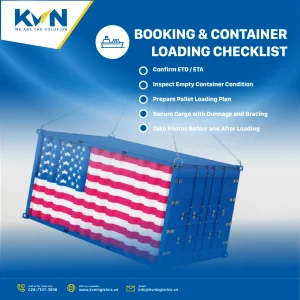
Container Loading for Packaging and FIBC Cargo: 5 Key Control Points
1. Inspect the Container Before Loading
Before loading cargo, the container should be inspected carefully. It should be clean, dry, odor-free, without holes, without water leakage and without signs of mold or dampness on the floor.
For packaging cargo, a container with chemical smell, dust or moisture may affect cargo quality and the buyer’s first impression when receiving the shipment.
Exporters should take photos of the empty container before loading, including the container floor, walls, roof, doors, container number and seal area.
2. Control Moisture and Condensation Risks
Ocean shipments to the USA often involve long transit times and different temperature zones. For packaging and FIBC cargo, especially products packed in cartons or with liners, moisture control is important.
Depending on cargo requirements, exporters may consider using container desiccants, floor lining, PE protection, moisture-resistant packaging or a suitable packing method to reduce the risk of condensation inside the container.
3. Optimize the Loading Plan
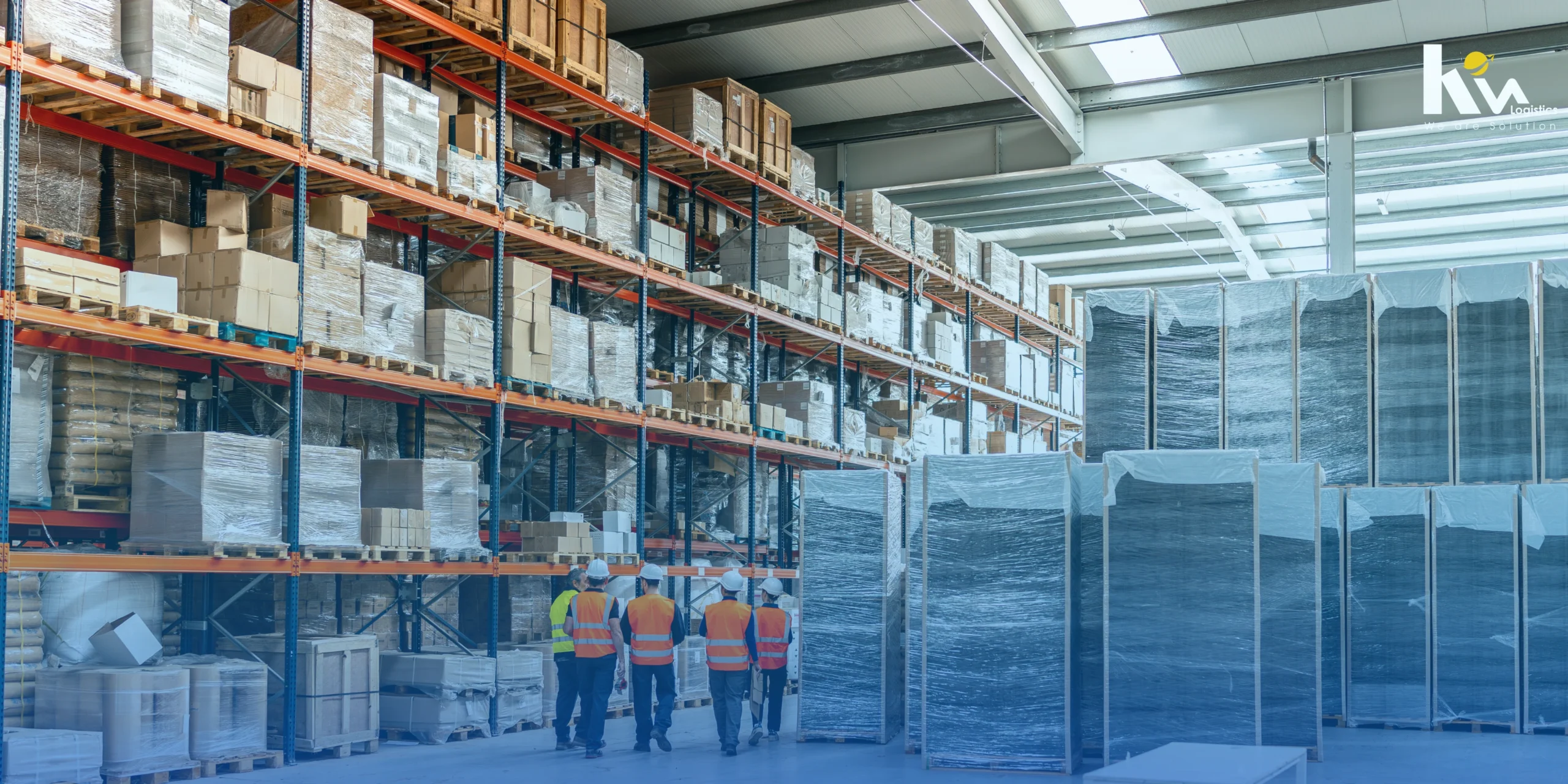
Packaging and FIBC cargo should be loaded based on a clear stuffing plan to maximize container space. If the cargo is packed in cartons, carton dimensions should be calculated against the internal dimensions of the container. If the cargo is packed in bales, each bale should be stable, well-compressed and properly arranged to avoid shifting during transit.
For palletized cargo, exporters should check pallet height, stackability, layer weight and unused space inside the container.
A well-planned loading method can help reduce wasted CBM, improve cargo safety and lower logistics cost per unit.
4. Ensure Wooden Pallets and Dunnage Meet Requirements
If the shipment uses wooden pallets, wooden crates or wooden dunnage, exporters should ensure the wood packaging material is treated and marked in accordance with ISPM 15.
If exporters want to reduce risks related to wood packaging material, they may consider plastic pallets, paper pallets, slip sheets or non-wood packing methods, depending on buyer requirements and cargo characteristics.
5. Keep Loading Photos and Shipment Records
For USA-bound shipments, loading records are important. Exporters should keep photos of the empty container, loading process, fully loaded container, seal number, closed container doors and weighing documents if applicable.
These records can help verify cargo condition at origin and support claim handling in case of missing packages, damaged cartons, moisture issues or seal discrepancies.
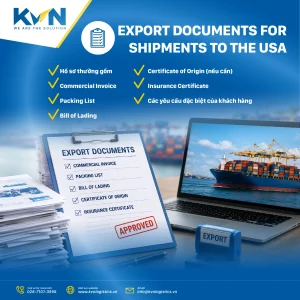
Export Documents for Packaging and FIBC Cargo to the USA
Documentation is often underestimated, but it has a major impact on customs clearance and destination handling. For shipments to the USA, common export documents include commercial invoice, packing list, bill of lading and additional documents depending on cargo type, trade terms and buyer requirements.
For packaging and FIBC cargo, exporters should check the following documents carefully:
| Document | Key Points to Check |
|---|---|
| Commercial Invoice | Product description, HS code, unit price, total value, Incoterms, buyer and seller details |
| Packing List | Number of packages, cartons or pallets, gross weight, net weight, CBM and package dimensions |
| Bill of Lading | Shipper, consignee, notify party, port of loading, port of discharge, container and seal number |
| Sales Contract | Delivery terms, payment terms and shipment timeline |
| Certificate of Origin | Required depending on buyer request or applicable duty policy |
| ISF information | Seller, buyer, importer, consignee, manufacturer, ship-to party, HTS code and country of origin |
| Fumigation or ISPM 15 documents | Applicable when wooden pallets or wood packaging material are used |
The most important point is consistency. Information on the invoice, packing list, booking, B/L instruction and ISF should match. Even small discrepancies in product description, package quantity, weight, consignee address or HTS code may create problems during customs processing in the United States.
Suggested internal link:
For document checking, customs declaration and export-import paperwork support, businesses can refer to KVN Logistics’ Customs & Docs service.
ISF, AMS and Key Timeline Notes for USA-Bound Shipments
For ocean shipments to the United States, exporters should coordinate early with the forwarder, customs broker or importer to complete ISF-related information. ISF should not be handled at the last minute because the filing timeline is linked to the vessel loading schedule.
Exporters should prepare ISF information as soon as the booking is confirmed and the packing details are available. The earlier the data is checked, the lower the risk of late filing, incorrect information or shipment delay.
A practical timeline may look like this:
| Timeline | Action Required |
|---|---|
| 10–14 days before ETD | Confirm booking, shipping route, port of loading and port of discharge |
| 5–7 days before ETD | Finalize loading plan, trucking schedule and container release |
| Before SI/VGM cut-off | Submit shipping instruction, VGM and B/L information |
| Before vessel loading | Coordinate ISF filing with importer or customs broker |
| After vessel departure | Check draft B/L, issue final B/L and send documents to buyer |
For shipments to major buyers, distributors, retailers or supply chains with strict delivery windows, exporters should include a time buffer for possible vessel changes, rolling, customs inspection, port congestion or inland delivery changes in the United States.
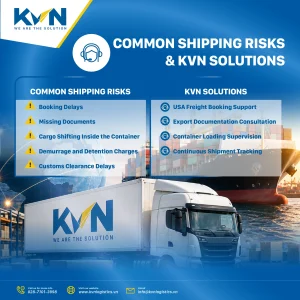
Common Risks When Shipping Packaging and FIBC Cargo to the USA
Risk 1: Miscalculation of Actual CBM
Packaging and FIBC products are usually lightweight but bulky. If the shipper only checks weight without controlling CBM, the company may book the wrong container type or fail to load the planned quantity.
Risk 2: Unsuitable Container Condition
A dirty, wet or smelly container can directly affect packaging cargo. For export shipments to the USA, especially those serving buyers with strict supply chain standards, container condition should be checked before loading.
Risk 3: Inconsistent Documents
Product names on the invoice, packing list, B/L and ISF should be consistent. For FIBC cargo, the cargo description should be clear enough to support HS code classification and customs processing.
Risk 4: Non-Compliant Wooden Packaging Material
If wooden pallets or wooden dunnage are used but do not comply with ISPM 15 requirements, the shipment may face inspection, delay or additional treatment at destination.
Risk 5: Lack of Coordination Between Factory, Forwarder and Buyer
A USA-bound shipment often involves multiple parties: factory, trucking company, terminal, shipping line, forwarder, customs broker, importer and inland delivery provider. If shipment information is not updated consistently, delays and additional charges may occur.
KVN Logistics Solutions for Packaging and FIBC Cargo to the USA
For packaging and FIBC cargo to the USA, exporters need more than a freight quote. They need a logistics partner who can understand the cargo characteristics, advise on container loading, manage booking schedules and coordinate export documents.
KVN Logistics supports businesses throughout the logistics process — from shipping consultation, FCL/LCL selection, vessel schedule checking, route optimization, document coordination, shipment tracking to problem-solving during transit.
For packaging and FIBC cargo, KVN can support exporters in the following areas:
FCL/LCL Consultation
KVN evaluates cargo volume, number of packages, port of loading, port of discharge, buyer delivery timeline and budget to recommend a suitable shipping method.
Booking and Vessel Schedule Optimization
KVN checks vessel schedules, cut-off times, transit time, routing options and related surcharges to help exporters plan shipments more proactively.
Trucking and Container Loading Coordination
KVN’s Inland Trucking service connects factories, warehouses, ports and inland transport routes, helping businesses optimize time and cost across the supply chain.
Customs and Documentation Support
KVN’s Customs & Docs service focuses on speed, accuracy and compliance in export-import documentation.
Door-to-Door Solutions When Required
For shipments that need delivery to the buyer’s warehouse or distribution point in the United States, KVN can coordinate with its partner network to design a suitable door-to-door logistics solution.
Suggested internal links:
Explore KVN Logistics’ Sea Freight solutions and Inland Trucking service.
Quick Checklist Before Shipping Packaging and FIBC Cargo to the USA
Before loading the container and issuing final documents, exporters should review the following checklist:
| Checklist Item | Question to Confirm |
|---|---|
| Booking | Are the port of loading, port of discharge, ETD, ETA and cut-off times confirmed? |
| Container | Is the container clean, dry, odor-free and free from leakage? |
| Loading plan | Has the stuffing plan been optimized for CBM? |
| Pallets and dunnage | Is any wood packaging material used? If yes, does it comply with ISPM 15? |
| Packing list | Are package quantity, CBM, gross weight, net weight and dimensions correct? |
| Invoice | Are product description, HS code, value and Incoterms consistent? |
| B/L instruction | Are shipper, consignee, notify party and port details correct? |
| ISF data | Does the importer or customs broker have enough information for ISF filing? |
| Loading photos | Are photos of the empty container, loading process, seal and closed container saved? |
| Shipment tracking | Is there a responsible contact point for schedule updates and issue handling? |
FAQ: Shipping Packaging and FIBC Cargo to the USA
Should FIBC cargo to the USA be shipped by FCL or LCL?
If the shipment volume is large, regular or requires better container control, FCL is usually more suitable. For sample orders, small shipments or market testing, LCL can be more flexible, but exporters should consider consolidation time and CFS-related charges.
Does FIBC cargo require fumigation?
FIBC bags made from PP material are not wood packaging material. However, if the shipment uses wooden pallets, wooden crates or wooden dunnage, the wood packaging material should comply with ISPM 15 requirements when entering the United States.
Who is responsible for ISF filing?
ISF is usually coordinated by the importer or customs broker in the United States. However, the shipper and forwarder in Vietnam need to provide accurate shipment data on time. The information on booking, invoice, packing list and buyer/importer details should be consistent.
When should exporters book FIBC cargo to the USA?
Exporters should arrange booking as soon as the cargo-ready plan is available, especially for FCL shipments, seasonal orders or orders with fixed buyer delivery windows. Early booking gives businesses more options for vessel schedule, container type, routing and cost planning.
Can KVN Logistics support door-to-door shipping for packaging and FIBC cargo to the USA?
Yes. KVN Logistics provides integrated logistics solutions including sea freight, inland trucking, customs documentation and coordination across different transport stages. Depending on the Incoterms and final delivery address in the United States, KVN can advise on a suitable door-to-door solution.
Conclusion
Shipping packaging and FIBC cargo to the USA requires close coordination between production, packing, booking, trucking, export documentation and shipment tracking. Because this cargo is often lightweight, bulky and sensitive to container condition, exporters need to optimize the logistics plan from the preparation stage.
A successful shipment is not only about securing a good ocean freight rate. It also depends on the ability to control the whole journey: correct schedule, correct documents, suitable container condition, optimized loading and reduced additional costs.
With experience in international shipping, sea freight, inland trucking and customs documentation, KVN Logistics supports businesses in designing safe, efficient and cargo-specific logistics solutions for packaging and FIBC shipments to the United States.
KVN Logistics – We are the Solution.