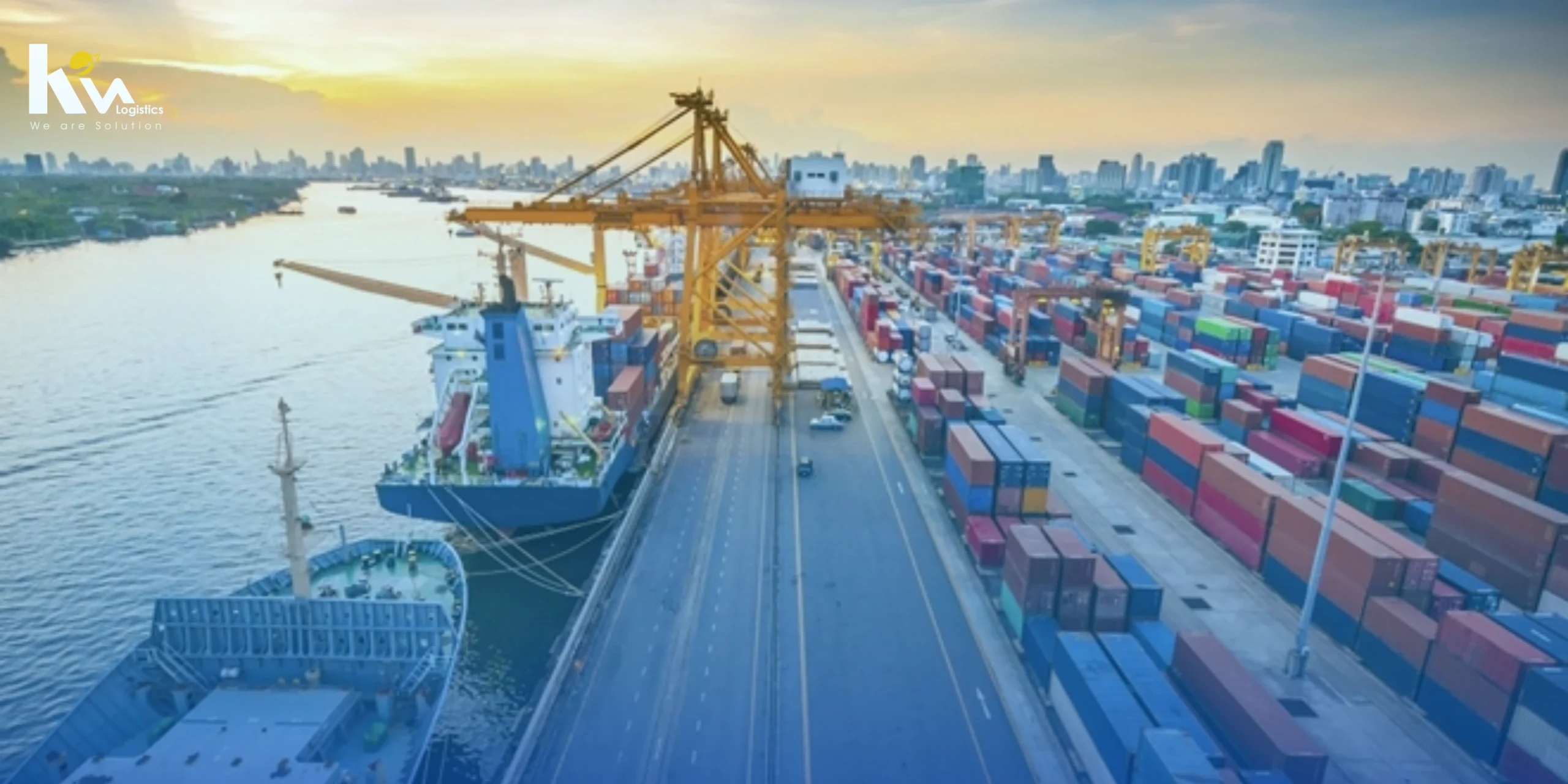


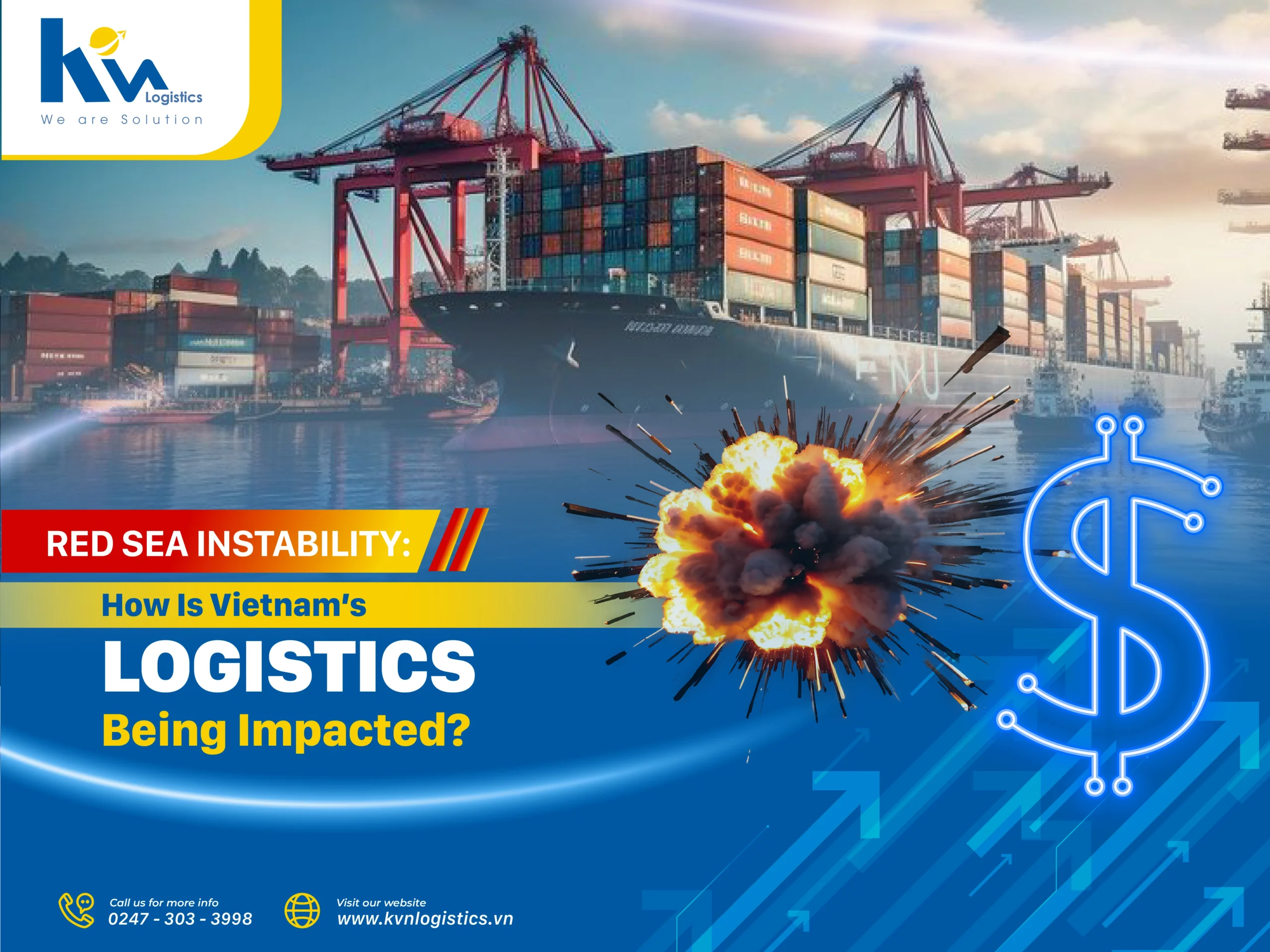
Rising tensions in the Red Sea and the escalating risks at the Strait of Hormuz are placing immense pressure on global supply chains. For Vietnam, these fluctuations directly threaten import-export activities. Businesses must clearly understand the following impacts to develop timely response strategies.
-
Skyrocketing Logistics Costs
In the early months of 2026, transportation costs have experienced violent fluctuations. Specifically:
Container Freight Rates: Rates for the Vietnam–Europe route have surged from $2,000 to over $5,000 per container.
Surcharges: War Risk Surcharges (WRS) are fluctuating wildly, ranging from $800 to $4,000.
Insurance: Marine insurance premiums for transit through sensitive zones have increased by 25–50%.
Furthermore, if tensions spill over into the Strait of Hormuz, spiking oil prices will drive Bunker Adjustment Factors (BAF) out of control. Consequently, total logistics expenses could be inflated by an additional 15–25%.
-
Extended Lead Times Due to Re-routing
Currently, major carriers like Maersk and MSC have opted to divert vessels around the Cape of Good Hope. However, this decision brings significant consequences:
Transit Times: Delivery schedules have increased by 7–15 days.
Total Duration: Asia–Europe voyages can now hit the 50-day mark.
The Aftermath: Severe container shortages and a lack of vessel slots are becoming more critical than ever.
-
Risk of Cold Chain Disruption
The seafood and fresh produce industries are the most vulnerable. Prolonged transit times increase preservation costs and the risk of cargo spoilage.
Additionally, the garment and electronics sectors are facing hardships. For instance, delays in component deliveries can paralyze production lines, causing businesses to lose their price competitiveness in international markets.
-
“Golden” Solutions for Vietnamese Enterprises
Following recommendations from VCCI and the Ministry of Industry and Trade, businesses should proactively take the following steps:
Increase Safety Stock: Buffer raw materials to avoid production halts.
Diversify Routes: Explore alternative transport modes such as Rail (Eurasia) or Air Freight.
Re-negotiate Contracts: Work closely with partners to share the burden of surcharges and unforeseen costs.