

How Is the Red Sea Crisis Reshaping Global Logistics?
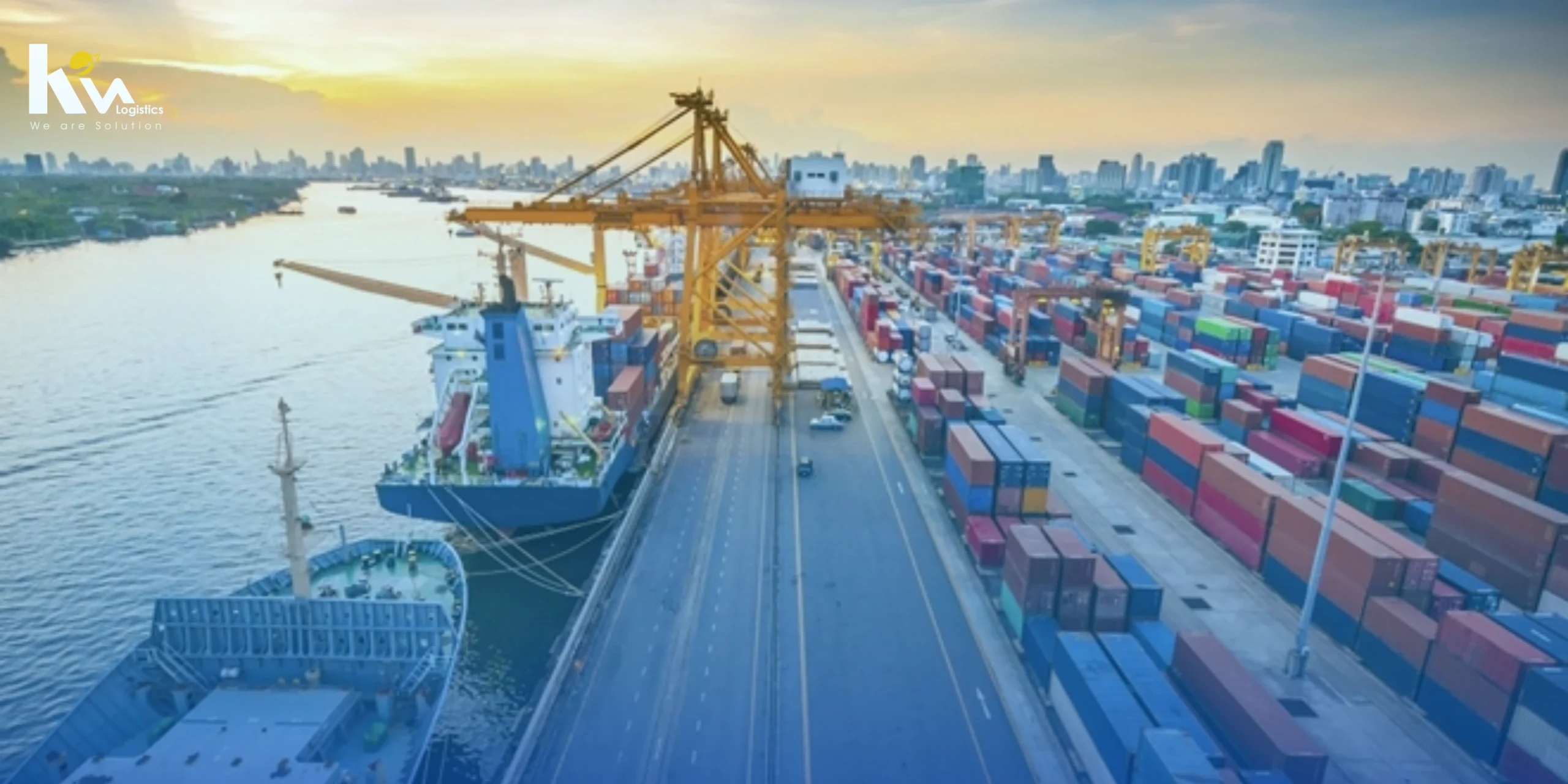
The Red Sea disruption has significantly impacted global shipping routes between Asia, the Middle East, and Europe. As security risks continue to rise, many major carriers have adjusted their sailing routes, creating major challenges for global supply chains.
For Vietnamese exporters and importers, especially those trading with the Middle East and Europe, understanding the latest logistics trends is essential to maintain supply chain stability and cost efficiency.
Key Logistics Trends After the Red Sea Crisis
1. Shipping Routes Are Being Reconfigured
Many carriers are now:
- Rerouting vessels via the Cape of Good Hope
- Increasing transshipment through Dubai and Singapore
- Expanding Sea-Air solutions
- Strengthening logistics hubs in UAE and Saudi Arabia
This creates both challenges and opportunities for businesses seeking flexible transportation options.
2. Freight Rates Remain Highly Volatile
Freight costs have increased due to:
- War risk surcharges
- Longer sailing distances
- Higher fuel consumption
- Port congestion
In some periods, container freight rates surged 2–3 times higher than normal market levels.
Businesses now need to evaluate:
- Transit stability
- Inventory costs
- Delay risks
- Space availability
instead of focusing only on freight pricing.
3. Transit Time Has Become Less Predictable
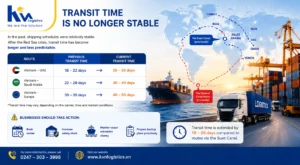
Typical transit times from Vietnam to Middle East destinations have increased significantly.
| Route | Previous Transit Time | Current Transit Time |
|---|---|---|
| Vietnam – UAE | 18–22 days | 25–35 days |
| Vietnam – Saudi Arabia | 22–28 days | 30–40 days |
| Vietnam – Europe | 30–35 days | 40–55 days |
As a result, businesses are now:
- Booking earlier
- Increasing safety stock
- Monitoring vessel schedules closely
- Preparing backup logistics plans
4. Consolidation Services Are Growing Rapidly
Due to rising freight costs, many SMEs are shifting toward:
- Consol services
- LCL shipments
- Shared container solutions
These options help businesses:
- Reduce logistics costs
- Improve cash flow
- Increase booking flexibility
- Optimize smaller shipment volumes
Related articles:
How Businesses Can Optimize Logistics During This Period
Plan Bookings Earlier
Avoid last-minute bookings, especially for Middle East and Europe routes.
Diversify Transportation Solutions
Use a combination of:
- Direct shipping
- Transshipment
- Sea-Air
- Consolidation services
Work With Experienced Forwarders
An experienced logistics partner can help:
- Secure space
- Optimize routing
- Provide market updates
- Minimize disruption risks
Related article:
KVN Logistics – Flexible Logistics Solutions for a Changing Market
KVN Logistics provides flexible logistics solutions for businesses navigating global supply chain disruptions, including:
- FCL, LCL, and Consol services
- Global agent network support
- Market updates and schedule monitoring
- Route optimization solutions
- Cost-efficient logistics strategies
As global supply chains continue to evolve, choosing the right logistics partner becomes a critical factor in maintaining operational stability and competitiveness.