

As renewable energy continues to grow rapidly, the demand for importing solar panels (tấm pin năng lượng mặt trời) into Vietnam is increasing significantly. However, understanding the solar panel import procedures remains a challenge for many businesses.
This article provides a comprehensive guide to regulations, HS code, required documents, and the full customs clearance process for importing solar panels into Vietnam.
Are Solar Panels Allowed to Be Imported into Vietnam?
According to current regulations, solar panels (solar panel / photovoltaic modules) are not included in the list of prohibited imports.
👉 Therefore, businesses are allowed to import this product, but must comply with:
- Product quality inspection regulations
- Correct HS code classification
- Full compliance with customs procedures
HS Code for Solar Panels
Correctly identifying the HS code for solar panels is crucial for determining import duties and customs procedures.
Common HS codes include:
- 8541.40.22 – Solar cells assembled in modules or panels
- 8541.40.21 – Solar cells not assembled
👉 Import tax and VAT depend on:
- Country of origin
- Applicable Free Trade Agreements (FTA)
- Current tax policies
Required Documents for Solar Panel Import
When carrying out solar panel import procedures, businesses need to prepare the following customs documents:
- Commercial Invoice
- Packing List
- Bill of Lading
- Sales Contract
- Certificate of Origin (CO) – if applicable
- Product catalogue (for quality inspection if required)
👉 These are standard documents required when working with a forwarder and customs authorities.
Solar Panel Import Process
The solar panel import process typically includes the following steps:
Step 1: Check regulations and HS code
Determine HS code, taxes, and regulatory requirements
Step 2: Sign contract and prepare documents
Work with supplier and forwarder
Step 3: International transportation
Available options:
- Sea freight (FCL / LCL)
- Air freight (for urgent shipments)
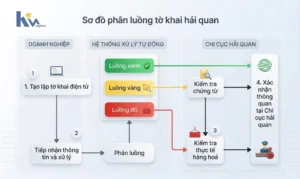
Step 4: Customs clearance
- Submit customs declaration
- Provide required documents
- Complete clearance procedures
Step 5: Delivery and inland transportation
Transport goods to warehouse or project site
Quality Inspection and Important Notes
Depending on regulations at the time of import, solar panels may require:
- Product quality inspection
- Technical standard certification
- Declaration of conformity (if applicable)
👉 Businesses should stay updated with the latest policies to avoid:
- Port congestion
- Storage and demurrage costs
- Delays in project timelines
Common Risks When Importing Solar Panels
- Incorrect HS code declaration leading to wrong tax calculation
- Missing documents causing customs delays
- Lack of understanding of quality inspection requirements
- Choosing an inexperienced forwarder for project cargo
Logistics Solutions for Solar Panel Import
Due to the characteristics of solar panels (high value, large size, sensitive equipment), selecting a professional forwarder is essential.
KVN Logistics provides:
- Specialized transportation for solar panels and energy equipment
- Experience in handling project cargo and heavy machinery
- Full door-to-door logistics services
- Optimized cost and transit time
👉 With proven experience in handling solar and industrial equipment shipments, KVN ensures safe and efficient delivery for your projects.
Conclusion
Understanding solar panel import procedures helps businesses:
- Gain better control over import planning
- Optimize logistics costs
- Minimize regulatory risks
In the era of renewable energy, importing solar panels is not just a transaction — it is a long-term strategic investment.